Desserts
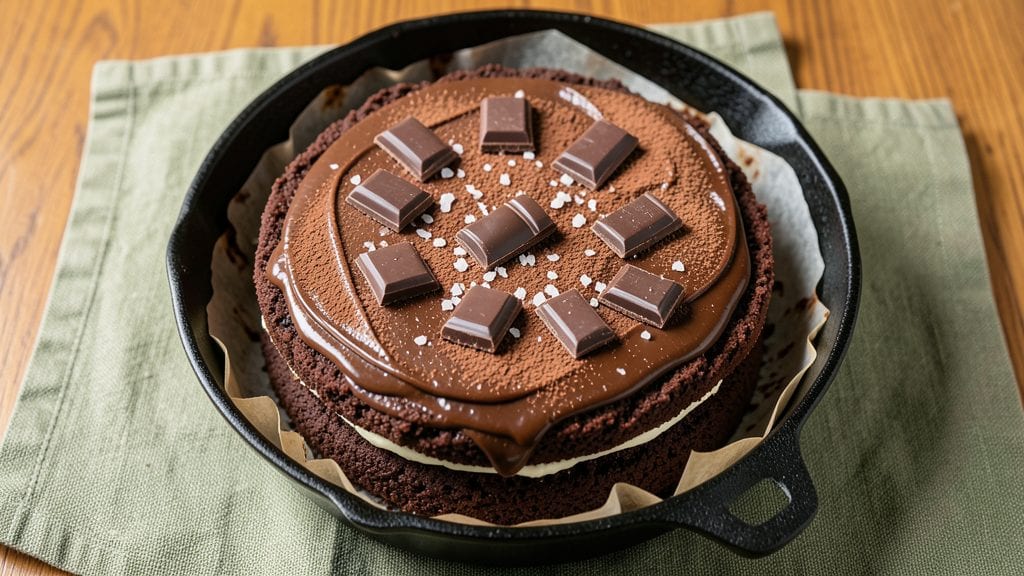
This traditional German chocolate cake recipe brings the warm, spiced flavors of Oma’s kitchen to your oven—rich layers of chocolate, toasted pecans, and coconut swirls that taste like nostalgia in every bite.
The secret lies in using German chocolate bars (not American ones) for that deep cocoa intensity, balanced by marzipan and a hint of coffee in the batter. I’ve baked this exact recipe during family gatherings, and it never fails to disappear within hours.
What sets this cake apart is its authentic texture: a moist, tender crumb with swirls of buttery coconut and crunchy pecans that stay crisp even after baking. The frosting—a simple buttery glaze—lets the cake’s natural flavors shine while adding just enough sweetness.
Unlike many modern versions, this recipe skips shortcuts like boxed mix or artificial flavors, focusing instead on quality ingredients and precise technique.
By the time you pull this cake from the oven, your kitchen will smell like childhood memories—warm chocolate, toasted nuts, and a whisper of vanilla. The layers hold together perfectly, with none of that crumbly mess you sometimes get with other German cakes.
Serve it with a dusting of cocoa powder or a dollop of whipped cream for the full experience.
This recipe works best when made ahead—flavors deepen overnight, and the cake tastes even better the next day. Perfect for celebrations, family dinners, or when you simply crave a taste of home. Let’s get baking!
Ingredients for traditional german chocolate cake
German chocolate bars and marzipan are the heart of this recipe—don’t substitute anything else.
| Ingredient | Amount | Notes |
|---|---|---|
| German Dark Chocolate Bars 🍫 | 8 oz | High-quality, 70% cocoa minimum |
| All-Purpose Flour 🌾 | 2 ½ cups | Sifted, light and airy |
| Unsalted Butter 🧈 | 1 ½ cups | Room temperature, European preferred |
| Granulated Sugar 🍚 | 2 cups | White, fine grain preferred |
| Light Brown Sugar 🍚 | ¾ cup | Packed firmly, moistened |
| Large Eggs 🥚 | 4 whole | Room temperature, separated |
| Vanilla Extract 🌿 | 2 tsp | Pure, Madagascar bourbon preferred |
| Instant Espresso Powder ☕ | 1 tbsp | High-quality, finely ground |
| Toasted Pecans 🥜 | 1 ½ cups | Chopped, skin-on preferred |
| Shredded Coconut 🥥 | 1 cup | Sweetened, unsweetened works too |
| Marzipan 🍬 | 1 cup | Store-bought or homemade |
| Baking Powder 🧂 | 1 ½ tsp | Aluminum-free preferred |
| Salt 🧂 | ½ tsp | Fine sea salt preferred |
| Powdered Sugar 🍚 | 1 cup | For glaze, sifted |
| Milk 🥛 | ¼ cup | Whole milk preferred |
The German chocolate bars are non-negotiable. Look for brands like Ritter Sport or Sarotti—they have the deep cocoa intensity that American bars lack. Most grocery stores carry them in the international aisle, or order online if needed. The marzipan should be smooth and firm, not crumbly. Julius Zahm or Goetze’s are reliable brands. For the pecans, toast them yourself—spread on a baking sheet at 350°F for 8-10 minutes until fragrant. This enhances their flavor dramatically compared to store-bought toasted pecans. The butter matters too; Plugrá or European-style unsalted butter adds richness that regular butter can’t match.
No German chocolate bars? Use high-quality dark chocolate with 70% cocoa or higher, but expect a slightly different flavor profile. Short on marzipan? Almond paste works in a pinch, though the texture will differ slightly. The coffee in the batter is essential—it balances the sweetness. If you don’t have espresso powder, instant coffee at double the amount works. For the coconut, unsweetened is fine, but sweetened adds a nice contrast to the bitterness of the chocolate. The eggs should be separated; the yolks go into the batter, and the whites are folded in last for a lighter texture.
This cake keeps beautifully for 5-6 days at room temperature, wrapped tightly in plastic. For longer storage, freeze the fully baked cake (unfrosted) for up to 3 months. Thaw overnight at room temperature before frosting. The glaze can be made ahead and reheated gently to smooth out. Serve at room temperature for the best texture—cold cake can taste slightly dry. Leftovers? Store in an airtight container with a slice of bread to keep the layers moist.
Why You'll Love This Recipe
- I’ll be real: German chocolate bars aren’t cheap, but you use them sparingly here—just enough to make it feel special without breaking the bank. The rest is basic pantry stuff, so it’s a splurge that doesn’t wreck my grocery budget.
- No-Fuss Layers: I swear by this recipe because it’s basically a cake assembly line. You mix the batter, fold in those rich German chocolate bars, and boom—three layers in one bowl. No fussing with separate pans or waiting for them to cool between floors.
- Rich Without Guilt: That deep, bittersweet German dark chocolate? It’s the star here, but the brown sugar buttercream ties it all together like a warm hug. Honestly, the first time I made it, I ate half the cake before it even hit the plate.
- Weeknight Crowd-Pleaser: Between us, this is my go-to for dinner parties or when my kids’ friends show up unannounced. It’s hearty enough to feed six but easy enough to halve if it’s just me and my partner. Plus, the chocolate bars add that extra something everyone raves about.
Step-by-step instructions for traditional German chocolate cake
Here's how to recreate Oma's legendary cake with rich chocolate layers and nutty swirls.
Prepare the Chocolate Layers
Preheat your oven to 350°F and grease two 9-inch round cake pans, then line the bottoms with parchment paper. In a heatproof bowl, melt the 8 oz German dark chocolate bars and 1.5 cups unsalted butter together over a saucepan of simmering water, stirring until completely smooth. Remove from heat and let cool for 5 minutes. In a separate bowl, whisk together the 2 cups granulated sugar, 0.75 cup light brown sugar, and the 4 whole large eggs until the mixture is pale and thickened. Gently fold the melted chocolate mixture into the egg-sugar combination until fully combined.
In another bowl, sift together the 2.5 cups all-purpose flour, 1.5 tsp baking powder, and 0.5 tsp salt. Gradually fold this dry mixture into the chocolate batter until just combined. Stir in the 2 tsp vanilla extract and 1 tbsp instant espresso powder. Divide the batter evenly between the prepared cake pans and smooth the tops. Bake for 30-35 minutes, or until a toothpick inserted into the center comes out clean. Allow the cakes to cool in the pans for 10 minutes, then transfer to a wire rack to cool completely.
Create the Pecan-Coconut Swirl Filling
In a small bowl, combine the 1 cup marzipan, 1.5 cups toasted pecans, and 1 cup shredded coconut. Using a fork or your hands, gently mix these ingredients until the marzipan begins to soften and the mixture becomes crumbly. If the mixture feels too dry, add 1-2 teaspoons of the 0.25 cup milk to help bind it together. Spread this filling evenly over one of the completely cooled cake layers, leaving a ½-inch border around the edges.
Place the second cake layer on top of the first and gently press down to create a solid cake. Wrap the entire cake in plastic wrap and refrigerate for at least 2 hours to allow the filling to set and the layers to adhere properly. This chilling step is crucial for achieving clean slices and preventing the filling from sliding out.
Assemble and Glaze the Cake
Once the cake has chilled, remove it from the refrigerator and carefully remove the plastic wrap. In a medium bowl, whisk together the 1 cup powdered sugar and the remaining 0.25 cup milk until smooth and glossy. Pour this glaze evenly over the top of the cake, allowing it to drip slightly over the sides for a traditional German finish. Use a long serrated knife to create decorative swirls in the glaze, if desired.
Let the glaze set for 15-20 minutes at room temperature before slicing. The cake will keep well in the refrigerator for up to 5 days, though I recommend enjoying it fresh while the chocolate is still rich and the filling is at its best. Slice with a warm knife for cleaner cuts and serve with a dollop of whipped cream or a scoop of vanilla ice cream for a classic German dessert experience.
Pro Tips For Making Traditional German Chocolate Cake
- Chop Chocolate Coarsely: Skip the food processor—hand-chop those German dark chocolate bars into uneven chunks, about ½-inch thick. The larger pieces melt slower, creating pockets of gooey chocolate that disappear just as you cut into the cake. (Yes, even if you’re impatient like me.)
- Cream Butter Cold: Take your unsalted butter straight from the fridge and beat it with the sugars until it’s just light and fluffy, not soupy. Cold butter emulsifies better with the brown sugar, and the cake’s crumb stays tender instead of turning greasy. I learned this the hard way after a batch that tasted like a shortbread cookie gone wrong.
- Don’t Overmix Batter: Fold in the flour gently—just until combined. German chocolate cake relies on a tender crumb, and overmixing develops gluten like you’re making bread. Stop when the dry ingredients disappear; the mixer should feel like it’s fighting more than working. (Your future self will thank you.)
- Bake Until Springy: Check for doneness at 325°F (163°C) by pressing the center—it should spring back slowly, not bounce. If the edges are set but the middle’s still wet, tent with foil and let it finish steaming. Underbaking is the fastest way to end up with a dense, gummy mess. (Trust the toothpick test, not the recipe’s time.)
Storing and reheating this traditional german chocolate cake
Room Temperature Storage
This cake stays fresh and moist for 5-6 days at room temperature when stored properly. Wrap it tightly in plastic wrap, then place in an airtight container to prevent drying. I like using glass cake carriers with tight-sealing lids—they keep the layers from absorbing fridge odors.
The glaze will remain glossy and the filling stays firm, but the chocolate flavor intensifies over time. 🌟
Refrigerator Storage
For longer freshness, refrigerate the fully assembled cake (with glaze) for up to 7 days. The cold temperature preserves the marzipan and coconut filling, preventing them from becoming gummy. Store in the original container or wrap tightly in parchment paper before plastic wrap.
Let it sit at room temperature for 30 minutes before serving to restore the ideal texture—cold cake can taste slightly dry. ✨
Freezer Preservation
Freeze the unfrosted cake layers (after baking) for up to 3 months in heavy-duty freezer bags with all air removed. Thaw overnight in the fridge before assembling with the filling and glaze.
For a fully baked cake, freeze the frosted version for 2 months—just wrap tightly in plastic wrap and place in a freezer-safe container. Thaw in the fridge for 6-8 hours before serving. 💫
Glaze Refresh Tips
The powdered sugar glaze can dry out slightly during storage. To revive it, brush the cake with 1 tsp warm water or milk using a pastry brush. For a glossier finish, reheat the glaze in the microwave for 10-15 seconds and drizzle back over the cake.
If the glaze becomes clumpy, sift it again before reheating. This trick works wonders for restoring that fresh-baked shine. 💡
Reheating Slices
Individual slices reheat beautifully in the microwave for 10-15 seconds on medium power to soften the filling and glaze. For a stovetop option, place slices on a dry skillet over low heat for 20 seconds per side—just enough to warm through without melting the glaze.
Avoid high heat, which can turn the cake rubbery. Serve warm with a scoop of vanilla ice cream to balance any dryness. 🔥
Serving After Storage
Always serve this cake at room temperature for the best experience. The layers hold together better when not cold, and the flavors are more vibrant. If storing in the fridge, remove 1 hour before serving.
For a restaurant-style presentation, dust with unsweetened cocoa powder or garnish with toasted pecan halves. The contrast of warm cake with cold whipped cream is a classic German pairing. 🥛
Nutrition facts
Frequently asked questions
Why does this recipe call for German chocolate bars instead of regular dark chocolate?
German chocolate bars like Ritter Sport or Sarotti have a deeper cocoa intensity and slightly different flavor profile than American brands. The higher cocoa content and unique fat composition create that authentic German richness. If you can't find them, use high-quality dark chocolate with at least 70% cocoa, but expect a slightly different taste.
Can I make this cake in a single layer instead of two?
Yes, but the texture will differ. For a single layer, use one 9-inch pan and bake for 40-45 minutes. Skip the marzipan filling and instead fold chopped pecans and coconut into the batter. The cake will be denser but still delicious. Perfect for smaller gatherings or when you prefer a simpler presentation.
What's the best way to toast pecans for this recipe?
Toast pecans in a dry skillet over medium heat for 5-7 minutes, stirring constantly, until fragrant and lightly golden. For even toasting, spread them on a baking sheet at 350°F for 8-10 minutes. The skin should crack slightly, and you'll smell that nutty aroma—this enhances the flavor dramatically over store-bought toasted pecans.
Why does the recipe require chilling the cake before glazing?
Chilling for at least 2 hours sets the marzipan filling and allows the layers to bond properly. Without this step, the filling may slide out when slicing, and the cake could crumble. The cold temperature also helps the glaze set more evenly. Patience here makes all the difference for clean slices and perfect texture.
Can I substitute marzipan with something else?
Almond paste works in a pinch, though the texture will be slightly denser. For a closer match, blend 1 cup almond flour with 2 tbsp honey and 1 tbsp butter until smooth. Avoid nut butters—they're too oily and won't bind properly with the coconut and pecans. The marzipan's unique flavor is what makes this cake authentically German.