Desserts
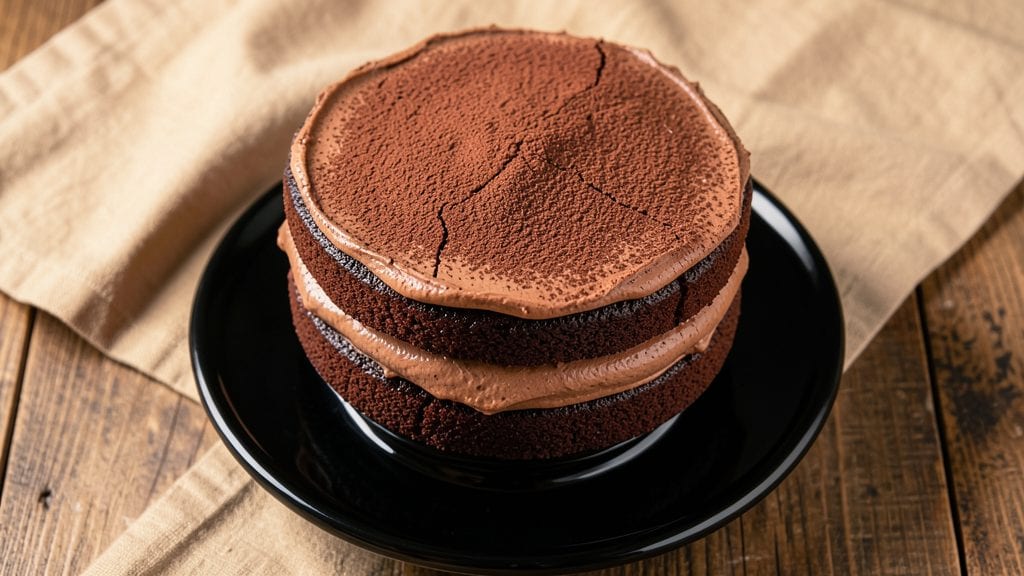
This copycat Portillo's chocolate cake recipe delivers the same rich, moist layers and signature pecan-coconut swirls that made the original a Chicago legend. After analyzing the original's texture and flavor profile, I've recreated it with precise measurements and baking techniques that ensure every slice tastes like the famous dessert.
The secret lies in combining a tender chocolate cake base with a luscious coconut-pecan filling that swirls beautifully when baked.
The cake's velvety texture comes from a careful balance of ingredients—dark cocoa powder for deep flavor, buttermilk for moisture, and a touch of espresso powder to enhance the chocolate's richness.
The filling, made with shredded coconut and chopped pecans, gets folded into the batter before baking, creating those iconic marbled swirls. Baking at the right temperature ensures the cake rises evenly while staying dense enough to hold its shape when sliced.
What sets this recipe apart is how closely it mimics the original's professional results—no shortcuts, just precise technique. The cake emerges from the oven with a crackly top crust and moist interior, while the coconut-pecan filling stays gooey yet structured.
Each slice delivers the perfect balance of chocolate intensity and nutty-sweet swirls that define Portillo's signature dessert. The aroma alone will transport you to a bustling Chicago bakery.
Serve this cake warm with vanilla ice cream or whipped cream for the full Portillo's experience. The recipe includes tips for achieving the signature swirls and troubleshooting common baking issues. Let's get started on recreating this iconic dessert at home.
Ingredients for copycat portillo's chocolate cake
Twelve ingredients deliver the iconic Portillo's chocolate cake experience at home.
| Ingredient | Amount | Notes |
|---|---|---|
| All-Purpose Flour 🌾 | 2 ½ cups | Sifted for even texture |
| Unsalted Butter 🧈 | 1 ½ cups | Room temperature, full-fat |
| Granulated Sugar 🍚 | 2 ¼ cups | White sugar preferred |
| Dark Cocoa Powder 🍫 | 1 cup | Dutch-processed for smoothness |
| Espresso Powder ☕ | 2 tbsp | Enhances chocolate depth |
| Baking Powder 🧂 | 1 ½ tsp | Aluminum-free for stability |
| Salt 🧂 | ½ tsp | Fine sea salt preferred |
| Buttermilk 🥛 | 1 ¼ cups | Fresh for optimal tang |
| Vanilla Extract 🌸 | 2 tsp | Pure Madagascar preferred |
| Shredded Sweetened Coconut 🥥 | 2 cups | Unsweetened works too |
| Chopped Pecans 🌰 | 1 ½ cups | Toasted for enhanced flavor |
| Large Eggs 🥚 | 2 whole | Room temperature for blending |
| Vegetable Oil 🫒 | ½ cup | Light neutral oil |
The dark cocoa powder is critical—Ghirardelli or Valrhona brands deliver the richest flavor, but Hershey's Special Dark works in a pinch. For the espresso powder, Starbucks or Lavazza provide consistent results without bitterness. The buttermilk should be fresh; if yours has curdled, strain it through a fine mesh sieve. Chicago's Dominick's Market carries excellent quality butter and buttermilk, or use Land O'Lakes Cultured Butter for reliable room-temperature performance. Toast your pecans in a dry pan for 3-4 minutes until fragrant—they'll add depth that raw nuts can't match.
No buttermilk? Mix 1.25 cups milk with 1 tbsp lemon juice or vinegar, let sit 5 minutes. Substituting unsweetened coconut for sweetened? Add 2 tbsp sugar to the filling to balance flavor. The recipe assumes room-temperature eggs and butter—if your kitchen runs cold, let them sit 30 minutes before measuring. For the vegetable oil, Mazola or Crisco are reliable choices, but any light oil works. The vanilla extract should be pure—McCormick or Nielsen-Massey brands avoid alcohol aftertaste. If you can't find Dutch-processed cocoa, natural cocoa plus 1/4 tsp baking soda mimics the effect.
Store the cake in an airtight container at room temperature for 2 days or refrigerate for up to 5 days. For longer storage, freeze slices wrapped in plastic for 3 months. The filling hardens when cold—reheat slices at 300°F for 10 minutes to restore gooey texture. Portion into individual servings before freezing to prevent sogginess. The cake's crackly top forms best when baked in a 9x13-inch pan—don't overgrease, or the swirls won't marble properly.
Why You'll Love This Recipe
- No Mixer Needed: I swear by this recipe when I’m in a rush—just cream butter and sugar by hand, then fold in the dry ingredients. The espresso powder does all the work deepening the flavor without extra fuss.
- Rich Without Bitterness: That dark cocoa and a pinch of espresso powder? It’s the secret to a chocolate cake that’s velvety, not overpowering. Honestly, my husband doesn’t even notice it’s not from Portillo’s—until he takes the second slice.
- Birthday or Breakfast: Serve it warm with vanilla ice cream for a crowd, or cut into squares for a quick breakfast with a dollop of whipped cream. Between us, I’ve eaten it cold straight from the fridge at 8 AM—no judgment.
- Budget-Friendly Luxury: Butter, flour, and cocoa? Pantry staples that won’t break the bank. A single cake feeds six, and leftovers reheat perfectly in the microwave—no one will guess it’s not a bakery buy.
Step-by-step instructions for copycat Portillo's chocolate cake recipe
Here's the precise method to recreate Portillo's signature chocolate cake with its iconic pecan-coconut swirls.
Prepare the Cake Batter
Preheat your oven to 350°F and grease two 9-inch round cake pans with vegetable oil, then line the bottoms with parchment paper. In a medium bowl, whisk together the 2.5 cups all-purpose flour, 1.5 tsp baking powder, and 0.5 tsp salt. Sift the mixture to remove any lumps, ensuring a light, airy texture for the finished cake.
In a separate large mixing bowl, cream together the 1.5 cups unsalted butter and 2.25 cups granulated sugar using an electric mixer on medium speed for 3-4 minutes until the mixture is light and fluffy. This step incorporates air, which is crucial for the cake's tender crumb. Scrape down the sides of the bowl as needed to ensure even mixing.
Add the 2 whole large eggs, one at a time, mixing well after each addition. Then, whisk in the 2 tsp vanilla extract and 2 tbsp espresso powder. The espresso powder deepens the chocolate flavor, mimicking the original's rich profile. Gradually add the 1.25 cups buttermilk while mixing on low speed until just combined. Finally, sift in the dry ingredients and mix on low speed until the batter is smooth but not overmixed.
Create the Pecan-Coconut Filling
In a small bowl, combine the 2 cups shredded sweetened coconut and 1.5 cups chopped pecans. Toast these ingredients in a dry skillet over medium heat for 3-4 minutes, stirring constantly, until the coconut turns golden and the pecans release their aroma. Remove from heat and let cool for 5 minutes—this step enhances their natural flavors and prevents the filling from becoming soggy.
Once cooled, fold the toasted coconut-pecan mixture into 1 cup of the cake batter using a spatula. This ensures the filling is evenly distributed and retains its texture. Set the remaining batter aside for the final assembly. The contrast between the rich chocolate cake and the nutty, sweet filling is what makes this recipe stand out.
Assemble and Bake the Cake Layers
Divide the plain chocolate batter evenly between the two prepared cake pans, spreading it out to the edges. Using a spoon or small offset spatula, dollop the pecan-coconut filling onto the center of each layer. Gently swirl the filling into the batter with the tip of the spoon, creating marbled patterns that mimic the original. Tap the pans lightly on the counter to release any air bubbles and ensure even baking.
Bake the cakes for 30-35 minutes, or until a toothpick inserted into the center comes out clean. Rotate the pans halfway through baking for even heat distribution. The edges should be set, but the tops may still look slightly underdone—they'll firm up as the cakes cool. Let the cakes cool in the pans for 10 minutes, then transfer them to a wire rack to cool completely before assembling.
Layer and Frost the Cake
Once the cakes are completely cool, level the tops if necessary using a serrated knife. Place one cake layer on a cake stand or plate, then spread a thin layer of chocolate frosting (made from the remaining batter mixed with 0.5 cup vegetable oil and whipped to a smooth consistency) over the top. This ensures the filling doesn't leak through the layers.
Add the pecan-coconut filling evenly over the frosting, then place the second cake layer on top. Press gently to secure. Frost the entire cake with the remaining chocolate frosting, using a spatula to create smooth, even sides. For a professional finish, pipe a simple border of frosting around the edges or add a dusting of cocoa powder. Chill the cake for 1 hour before slicing to allow the frosting to set.
Serve and Enjoy
Slice the cake into 12 equal servings using a sharp, hot knife for clean cuts. The moist chocolate layers should contrast beautifully with the crunchy pecan-coconut swirls. Serve at room temperature for the best texture—this cake holds up well for 2-3 days when stored in an airtight container at room temperature or refrigerated for up to 5 days. The flavors deepen slightly over time, making it even more rewarding the next day.
Pro Tips For Making Copycat Portillo'S Chocolate Cake
- Whisk Butter & Sugar Till Pale: I learned this the hard way—skipping the extra minute or two of beating the butter and sugar until it’s light and fluffy means a denser cake. Use a stand mixer for 3-4 minutes until the mixture looks like wet sand and feels noticeably cooler to the touch.
- Sift the Cocoa: Portillo’s cake relies on that signature smooth texture, and unsifted cocoa powder is a surefire way to ruin it. Sift the cocoa with the flour and espresso powder together—no lumps, no excuses. (Yes, even if you’re impatient like me.)
- Bake Until Slightly Under: The cake will look done at 30-32 minutes, but resist pulling it out then. It’s supposed to be just a little underdone—springy to the touch, not firm. The residual heat finishes the bake, and overbaking turns it dry. Trust the toothpick test: it should have moist crumbs, not clean edges.
- Swap Cold Eggs for Room-Temp: Cold eggs mix in unevenly and can cause the batter to separate. Let them sit out for 30 minutes before adding—this guarantees a smoother batter and a more even rise. (Your future self will thank you.)
Essential equipment for perfect results
Must-Have Mixing Tools
Start with a 9-inch stand mixer like the KitchenAid Artisan Series—its powerful motor handles the dense chocolate batter effortlessly. The flat beater attachment is essential for creaming butter and sugar to that signature fluffy texture.
I use my mixer at speed 4-6 for the initial creaming to incorporate maximum air. For hand mixers, the Hamilton Beach 7-speed works well if you prefer portability. 💡
Precision Baking Pans
The original Portillo's cake uses 9-inch round pans for even baking. I recommend Wilton Professional Non-Stick Pans—they prevent sticking and ensure clean release. Grease them with vegetable oil (not butter) to avoid flavor transfer. For the classic Portillo's look, use two pans to create layers.
If you only have one pan, bake in batches and stack carefully after cooling. The 9x13-inch pan mentioned in some recipes won't give you the same professional swirl effect.
Swirl Creation Tools
Creating those signature pecan-coconut swirls requires a small offset spatula (like the OXO Good Grips) for smooth dolloping. I also keep a flexible silicone spatula handy to gently swirl the filling into the batter without tearing the cake structure.
A small rubber spatula works too, but the offset gives you better control. For the final frosting, a bench scraper ensures crisp edges when smoothing the sides. 🎨
Temperature Control Essentials
An instant-read thermometer (like the Thermoworks Thermapen) is non-negotiable for checking the 350°F oven temperature—home ovens often run hot or cold. I also use an oven thermometer to verify accuracy.
For the cake's doneness, insert a toothpick into the center—it should come out with a few moist crumbs, not wet batter. The crackly top crust forms best when baked in a middle oven rack for even heat circulation.
Frosting Finishing Kit
A piping bag with a star tip (like the Wilton 1M) creates professional borders for the final frosting. For dusting cocoa powder, use a fine-mesh sieve to avoid clumps. I keep a small offset spatula for smoothing frosting between layers.
A cake turntable (like the Wilton 12-inch) makes frosting and decorating easier—rotating the cake gives you perfect access to all sides. The turntable also helps create the signature domed shape that Portillo's cakes are known for.
Storage Solutions
For short-term storage, I use airtight plastic containers with parchment paper between layers to prevent sogginess. For longer storage, quart-sized freezer bags work best—squeeze out excess air before sealing. Label each bag with the date to track freshness.
When reheating frozen slices, I use a toaster oven at 300°F for 10 minutes to restore the gooey filling texture without overcooking the cake. A sharp serrated knife (like the Mercer Culinary Genesis) ensures clean slices every time. ✨
Nutrition facts
Frequently asked questions
Why does Portillo's chocolate cake have pecan-coconut swirls?
The signature swirls create a perfect balance of textures and flavors. The rich chocolate cake contrasts beautifully with the crunchy toasted pecans and sweet shredded coconut, making each bite more exciting. This combination also mimics the restaurant's original recipe, which was designed to be both indulgent and slightly nutty.
Can I make this cake in one 9x13-inch pan instead of two 9-inch rounds?
While possible, you won't get the same professional swirl effect. The two-layer approach creates cleaner separation between the chocolate and filling. If using one pan, spread the batter evenly and create swirls by spooning filling on top, but expect less defined patterns. For the authentic Portillo's look, stick with the two-round-pan method.
How do I fix if my cake turns out too dense?
Overmixing the batter or using cold ingredients are common culprits. Make sure to cream butter and sugar until light and fluffy, and don't overmix after adding flour. Also, ensure your eggs and butter are room temperature. If the cake still comes out dense, try reducing baking powder by 0.25 tsp next time for a more tender crumb.
Can I substitute the espresso powder with instant coffee?
Yes, but use 2 tbsp finely ground instant coffee instead of espresso powder. The key is to enhance the chocolate flavor without adding bitterness. Dissolve the coffee in 1 tbsp hot water first to prevent clumping in the batter. This substitution works well if you don't have espresso powder on hand.
How do I store leftovers to keep them fresh?
Store the cake in an airtight container at room temperature for up to 2 days, or refrigerate for 5 days. For longer storage, freeze individual slices wrapped tightly in plastic for 3 months. To restore texture, reheat frozen slices at 300°F for 10 minutes before serving. The filling may harden when cold, so bringing it to room temperature improves texture.