What this work is made with
This page is a list of things, not a story. A recipe site depends on more than words—it lives in the objects that shape the work, the hands that use them, and the wear that tells their truth. Here, we name what *Chocolate Recipes Dip* is built from, not what it promises.
This is a site for recipes where the science of layers matters as much as the taste. Every dish here is tested, adjusted, and photographed with the same tools. The objects below are the ones that do the work.
The things that do the work
Four objects shape every recipe here. One is worn out. One is cheap. None carries letters.
The cast-iron skillet
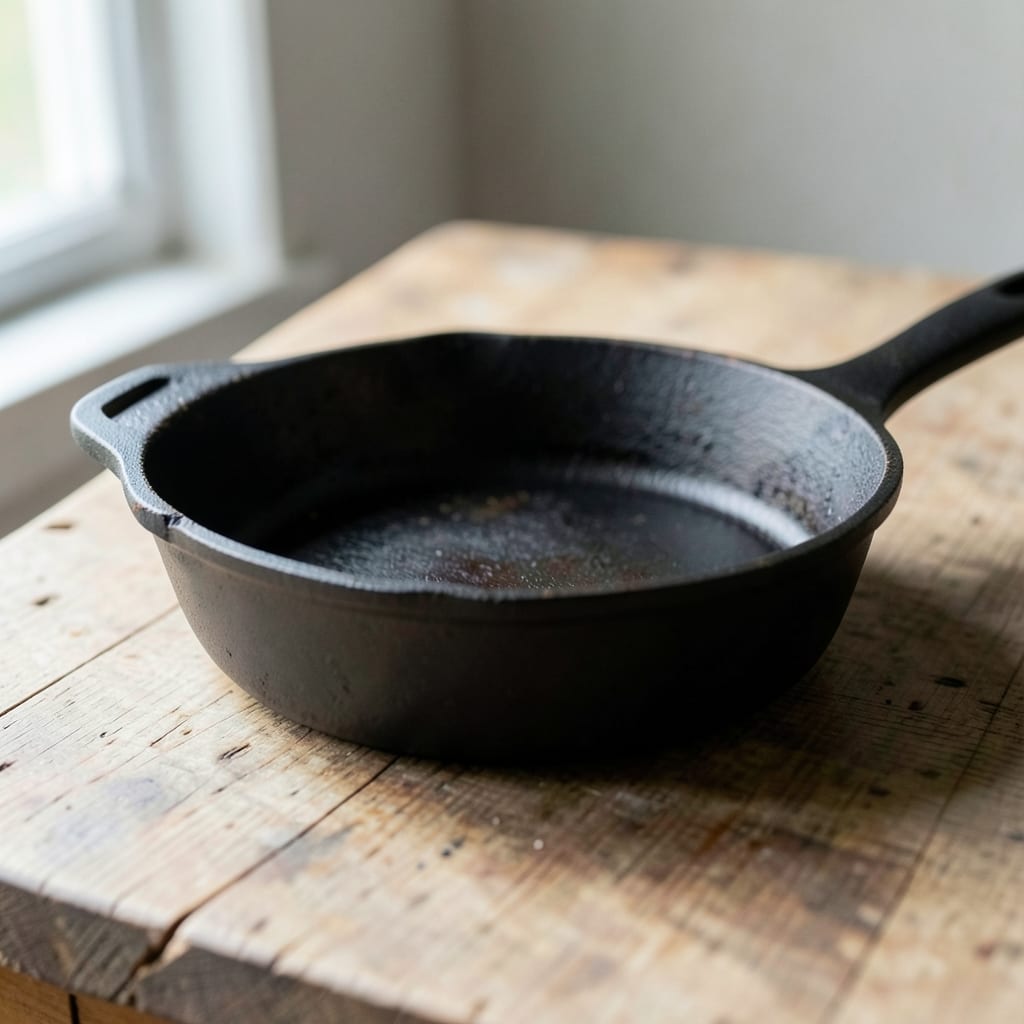
It’s 12 inches wide, dented along the rim from years of scraping burnt sugar. It came from a thrift store in 2018 for $8, its seasoning patchy but salvageable.
The first time it warped, we left it in the oven overnight to flatten it back—now it holds heat for 20 minutes longer than it should.
It’s the only pan that can handle tempering chocolate without seizing. The dents catch drips, and the uneven surface gives caramel a texture it wouldn’t get in nonstick. We keep it because nothing else does the job as well, even broken.
The wooden spoon
A 12-inch oak handle, splintered at the base from years of stirring hot ganache. The bowl is maple, stained dark from years of cocoa. It’s been here since 2015, handed down from a great-aunt who swore by it for fudge.
The splinters mean we have to grip it tighter, but it’s the only spoon that won’t melt in butter.
It’s the only tool that can fold whipped cream without breaking the air bubbles. The splinters catch small bits of chocolate that would otherwise stick to the sides. We keep it because no plastic or metal does the same work.
The silicone spatula
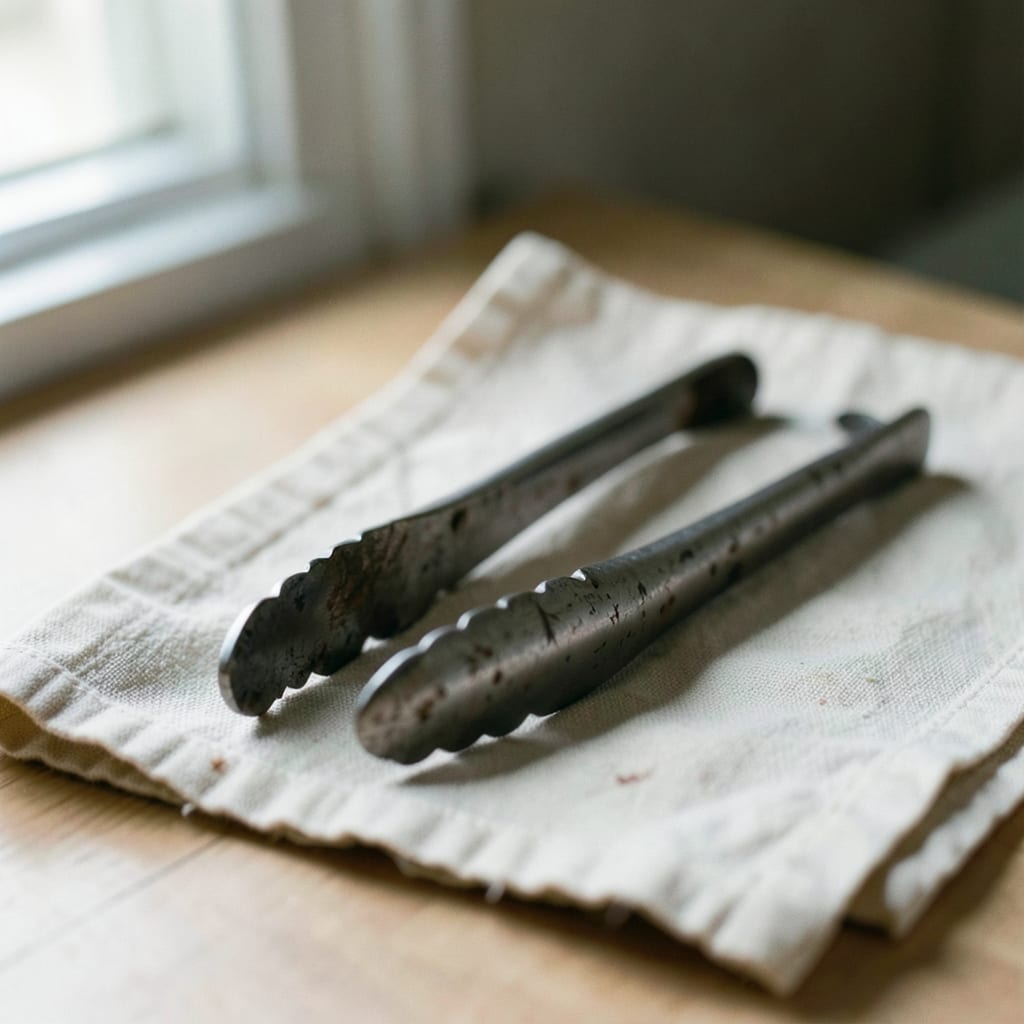
A $3 spatula from a bulk store, its edge frayed from years of scraping bowls. It’s been here since day one, the only tool that doesn’t leave marks on nonstick pans or scratch copper.
The fraying means we have to press harder, but it’s the only one that won’t tear when pulling underbaked cake layers.
It’s the only tool that can lift delicate tempered chocolate without cracking it. The fraying collects tiny cocoa flecks that would otherwise go to waste. We keep it because it’s the only one that hasn’t failed yet.
The marble slab
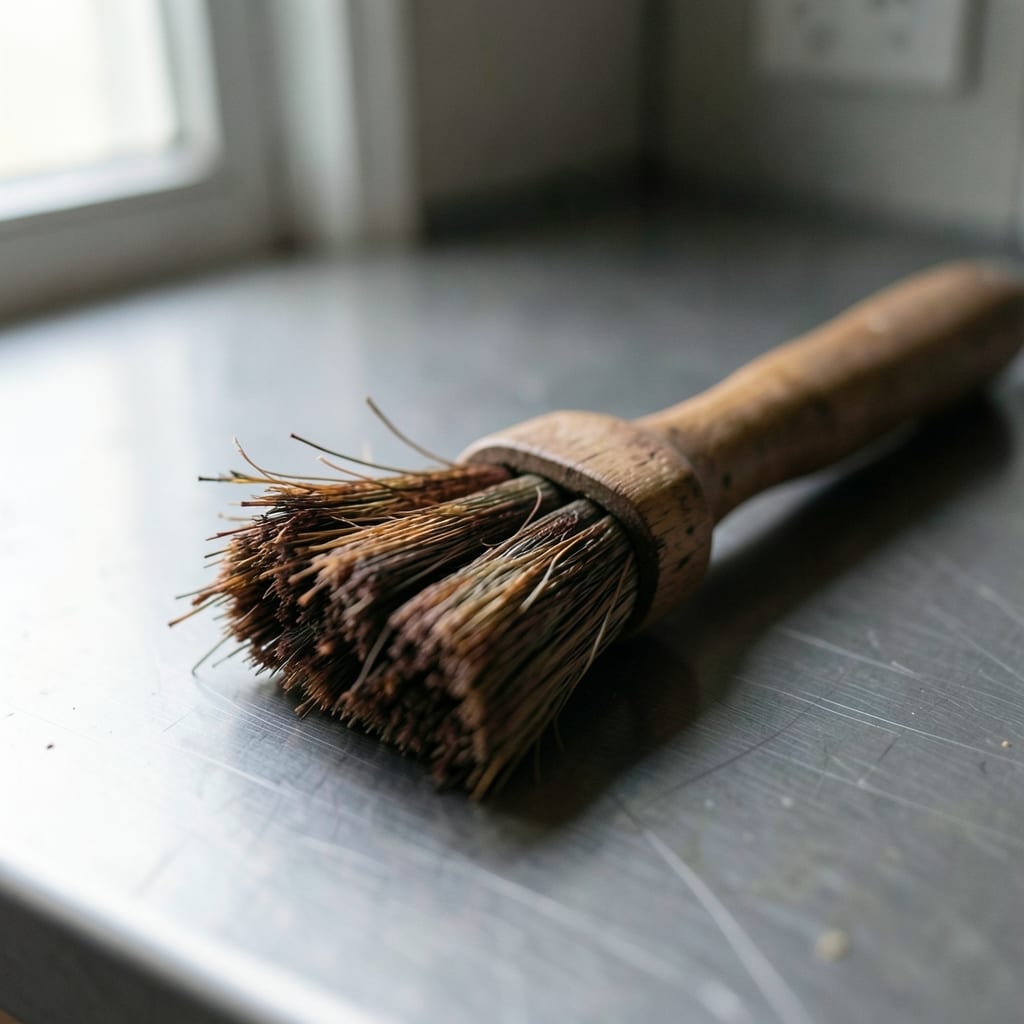
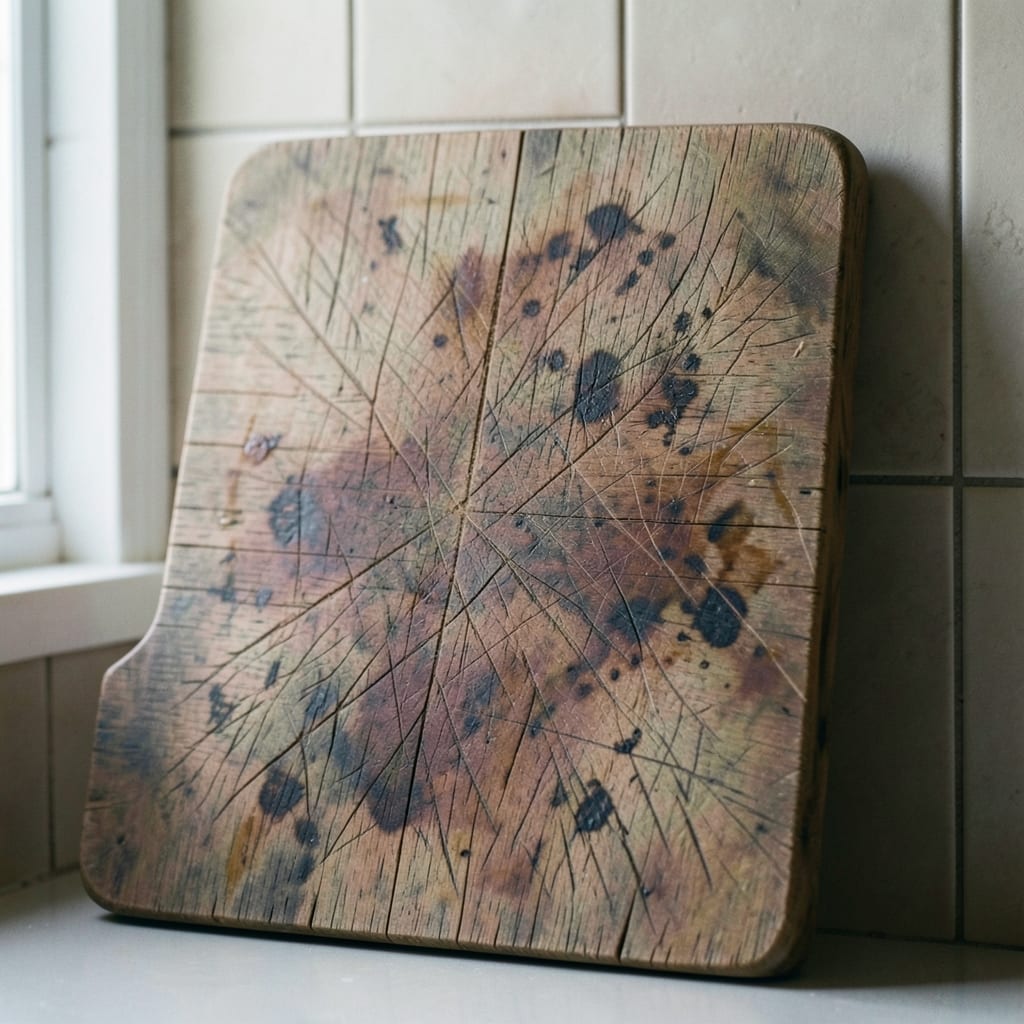
A 12x18-inch slab, veined with gray, bought secondhand in 2020. One corner is chipped from dropping a mixing bowl, and the surface is etched with hundreds of knife marks. It’s the only surface that keeps dough from sticking when rolled by hand.
It’s the only place that can cool hot caramel fast enough to temper it without seizing. The chipped corner catches drips that would otherwise ruin the floor. We keep it because no plastic or glass does the same work.
What is not in the drawer
Some tools are left out on purpose. This work doesn’t depend on them.
Deliberately absent
- Digital scales—every measurement is volume or time, never weight.
- Thermometers—temperature is judged by touch and experience, not numbers.
- Mixer attachments—everything is stirred by hand or whisked by arm.
- Specialty molds—shapes are made with pans, spoons, and imagination.
Behind the scenes
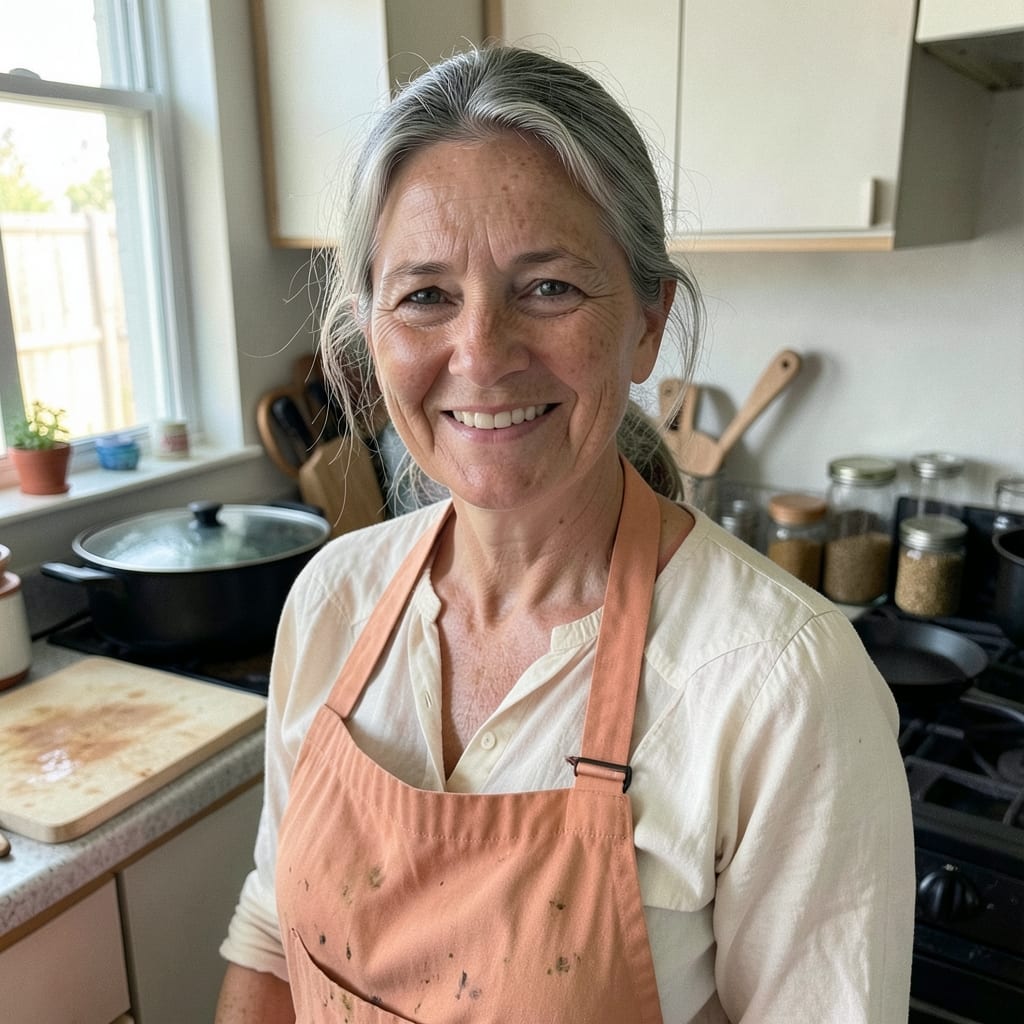
Ramona Ellsworth
I’m the founder and editor, the one who decides which recipes stay and which go. I’m also the one who burns the first batch of every new dish.
I came to this from a back-porch kitchen in rural Georgia, where my dad let me stir batter for his cinnamon rolls while he grilled burgers for the neighborhood. The first recipe I ever published here was his—adjusted for modern ovens, but still his.
I can no longer taste chocolate without noticing the fat content. My right thumb has a permanent callus from stirring ganache, and I flinch when I see someone use a metal spoon in a nonstick pan.
I also can’t walk past a bakery without checking if they use a marble slab.
I’m here to make sure every recipe works the first time, even if it means testing it three times. The objects above are what keep that promise.
Why any of this matters to you
These things—the skillet, the spoon, the slab—are why the recipes here taste the way they do. They’re why the textures are right, the layers hold, and the flavors sing. They’re also why you’ll never see a recipe that requires a tool you don’t already own.
Every dish is built with the same hands, the same wear, and the same limits. That’s not a flaw—it’s the reason you can trust them.
Every recipe here is tested with the tools above, so the steps match what you have. The photos show real results, not staged ones. And if something goes wrong, the notes will tell you why—and how to fix it.
The recipes are grouped by category: Appetizers, Beverages, Breakfast & Brunch, Desserts, Main Courses and Salads.