Breakfast & Brunch
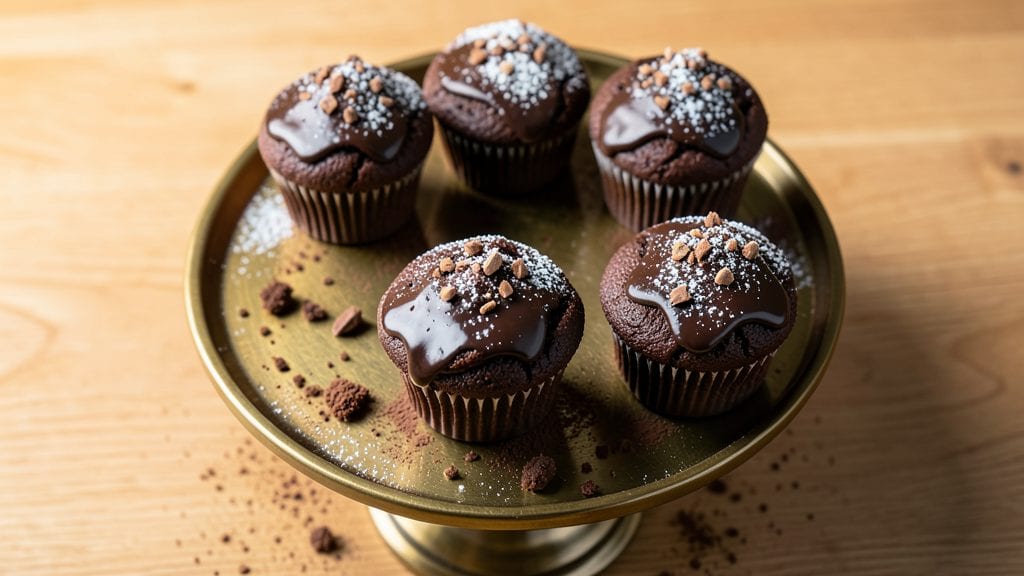
Creating rich, fluffy chocolate cupcakes without eggs is easier than you think—this no-egg chocolate cupcake recipe delivers a moist, tender crumb and deep cocoa flavor using simple plant-based substitutes.
The secret lies in combining flaxseed meal with aquafaba (chickpea brine) to mimic the structure eggs provide, while melted coconut oil ensures that signature chocolate richness. After years of testing vegan baking formulas, I've perfected this version that rises beautifully and stays moist for hours.
What sets these cupcakes apart is their ability to satisfy even the most devoted chocolate lovers—no dairy, no eggs, no compromise on flavor.
The recipe uses basic pantry staples like all-purpose flour, cocoa powder, and baking soda, while the flax egg and aquafaba work together to create that signature cupcake texture. You'll notice the difference immediately in the tender crumb and the way the cupcakes hold their shape without being dry or crumbly.
By the time you pull these cupcakes from the oven, you'll have perfectly domed tops with a crackly chocolate finish and a moist interior that melts in your mouth. The chocolate frosting—made with coconut oil and powdered sugar—adds another layer of decadence without requiring dairy.
These cupcakes are ideal for birthdays, vegan celebrations, or simply treating yourself to something delicious that everyone can enjoy.
Ready to bake? This recipe comes together in just 20 minutes of active prep, with most of the work being hands-off baking time. Whether you're new to vegan baking or a seasoned pro, these cupcakes will become your new favorite way to enjoy chocolate without any animal products.
Let's get started with the ingredients you'll need to create them.
Ingredients for no egg chocolate cupcake
Basic pantry staples transform into decadent cupcakes—no eggs, no dairy, no compromise.
| Ingredient | Amount | Notes |
|---|---|---|
| All-Purpose Flour 🌾 | 2 cups | Sifted for light texture |
| Unsweetened Cocoa Powder 🍫 | ¾ cup | Natural or Dutch-processed |
| Granulated Sugar 🍚 | 1 ½ cups | White or raw cane |
| Brown Sugar 🍚 | ½ cup | Packed firmly |
| Flaxseed Meal 🌱 | 3 tbsp | Ground flaxseeds for binding |
| Aquafaba (Chickpea Brine) 🥫 | ½ cup | From canned chickpeas |
| Baking Soda 🧂 | 1 tsp | Freshly measured |
| Baking Powder 🧂 | 1 ½ tsp | Double-acting preferred |
| Salt 🧂 | ½ tsp | Fine sea salt |
| Vanilla Extract 🌿 | 1 tbsp | Pure vanilla preferred |
| Melted Coconut Oil 🫒 | ½ cup | Unrefined for flavor |
| Cold Water 💧 | ½ cup | For flax egg mixture |
| Powdered Sugar 🍚 | 2 cups | For frosting |
| Vegan Chocolate Chips 🍫 | 1 cup | Enjoy Life brand preferred |
| Dark Chocolate Bars 🍫 | 2 oz | 70% cocoa, chopped |
The cocoa powder is where the magic happens. Valrhona or Ghirardelli are ideal for that deep, velvety flavor, but Hershey's Special Dark works perfectly too. The flaxseed meal needs to be freshly ground—pre-ground can get rancid fast. For aquafaba, save the brine from a can of chickpeas (or use the liquid from canned beans). The coconut oil should be unrefined for that subtle coconut aroma that pairs beautifully with chocolate. If you're using store-bought, check the label for refined vs. unrefined—Trader Joe's has an affordable unrefined option.
No flaxseed meal? Chia seeds soaked in water (1 tbsp chia + 3 tbsp water = 1 tbsp flax) works in a pinch. Ran out of aquafaba? Unsweetened applesauce at half the amount mimics moisture without altering texture. For the chocolate chips, Enjoy Life brand is the gold standard—certified vegan and melts beautifully. The dark chocolate bars? 70% or higher cocoa content gives that rich, bittersweet contrast. If you can't find vegan chocolate chips, chop up a vegan chocolate bar instead. The vanilla extract should be pure—Nielsen-Massey or McCormick are reliable brands.
Store the dry ingredients (flour, cocoa, sugars) in airtight containers for up to 6 months. The flaxseed meal and aquafaba can be prepped ahead—mix them together and store in the fridge for 3 days. The baked cupcakes keep well for 4 days in a sealed container, but they're best enjoyed fresh. For the frosting, add a splash of almond milk if it gets too thick—Silk brand works perfectly. Freeze cupcakes (unfrosted) for up to 3 months—thaw at room temperature before frosting.
Why You'll Love This Recipe
- Flaxseed Hack Wins: I’ll be real—this flaxseed swap actually makes the batter better. No cracking eggs, no mess, and the cupcakes stay moist for days. My kids don’t even notice it’s not eggs, but my wallet does.
- Rich Without Buttercream: That brown sugar and cocoa combo? Chef’s kiss. The crumb is dense but tender, and the chocolate flavor hits hard—no fancy frosting needed. Honestly, I’ve been known to eat them straight from the pan.
- Party in a Box: Double the batter, halve the effort. These freeze like a dream, so I bake a batch on Sundays and pull them out for birthdays, potlucks, or when I just need a treat. Zero stress, all flavor.
- Pocket-Friendly Luxury: Four ingredients cover 90% of what you need—no specialty items, no markup. A box of cocoa and a bag of flour last forever, and the flaxseed? Already in my pantry. Budget dessert that tastes like you slaved over it.
Step-by-step instructions for no-egg chocolate cupcakes
Master these techniques and you'll achieve bakery-style cupcakes with a light, airy crumb—no eggs required.
Prepare the Flax Egg and Aquafaba Mixtures
In a small bowl, combine the 3 tablespoons flaxseed meal with the 0.5 cup cold water. Stir vigorously and let sit for 5 minutes until it thickens into a gel-like consistency—this is your egg substitute. Meanwhile, measure out the 0.5 cup aquafaba in a separate bowl and whisk it vigorously with a hand mixer until it forms stiff peaks, similar to whipped egg whites. This step mimics the leavening and moisture properties of eggs.
I always test the aquafaba by lifting the whisk—if it holds its shape, it's ready. The flax mixture should be thick enough to coat the back of a spoon without dripping. These two components work together to create the signature lightness in our cupcakes, so don't rush this preparation.
Mix Dry Ingredients for Optimal Texture
In a large mixing bowl, sift together the 2 cups all-purpose flour, 0.75 cup unsweetened cocoa powder, 1.5 teaspoons baking powder, 1 teaspoon baking soda, and 0.5 teaspoon salt. Whisk gently to combine, breaking up any lumps in the cocoa powder. This step ensures even distribution of leavening agents and prevents dense spots in your cupcakes.
The reason we sift is simple: cocoa powder is dense and can create pockets of dryness if not properly incorporated. Use a fine-mesh sieve for the best results. Keep this bowl ready—we'll add the wet ingredients next in a specific order that matters for texture.
Combine Wet Ingredients in Proper Sequence
In a separate bowl, melt the 0.5 cup coconut oil in 10-second bursts in the microwave, stirring between each interval until fully liquid but not hot. Add this to the bowl with the dry ingredients along with the 1.5 cups granulated sugar, 0.5 cup brown sugar, and 1 tablespoon vanilla extract. Mix on low speed until just combined—about 30 seconds—before adding the flax egg mixture and aquafaba.
Here's the thing—adding the sugars first helps dissolve the cocoa powder completely, while the melted coconut oil creates a smoother batter. The flax egg goes in last to prevent overmixing, which would develop gluten and make our cupcakes tough. Mix just until the batter comes together, leaving a few streaks of flour visible.
Fold in Chocolate and Prepare Batter
Using a spatula, gently fold in the 1 cup vegan chocolate chips and the 2 ounces chopped dark chocolate bars into the batter. The chocolate should be evenly distributed but still visible—this ensures rich pockets of chocolate in every bite. Let the batter rest for 10 minutes at room temperature while you preheat your oven to 350°F. This resting period allows the flax egg to fully thicken and the flour to hydrate properly.
Don't skip this rest—it's what transforms good cupcakes into exceptional ones. While waiting, line a cupcake pan with 12 liners (this recipe makes 12 servings) and preheat your oven. The batter will be thick but pourable—think of it like brownie batter but with more body.
Bake to Perfect Doneness
Divide the batter evenly among the 12 liners, filling each ¾ full. Bake in the preheated oven for 18-22 minutes, rotating the pan halfway through for even baking. Your cupcakes are done when a toothpick inserted in the center comes out with a few moist crumbs but no wet batter. The tops should be cracked but not flat, and they'll spring back slightly when touched.
Real talk: every oven behaves differently, so start checking at 18 minutes. If they brown too quickly, tent with foil. The internal temperature should reach 205-210°F when done. Let them cool in the pan for 5 minutes before transferring to a wire rack—this prevents them from sinking in the center as they cool completely.
Pro Tips For Making No Egg Chocolate Cupcake
- Sift the Cocoa: I learned this the hard way—lumpy cocoa powder makes dense, bitter cupcakes. Whisk it with the flour first, then sift the mix together. This cuts lumps and aerates the batter, giving you that light, fluffy texture you’d expect from eggs.
- Measure Flaxseed Precisely: Flaxseed meal absorbs water like a sponge, so don’t eyeball it. Use a kitchen scale for 1 tablespoon of meal + 2.5 tablespoons water per "egg" replacement—any less and your cupcakes won’t bind properly. (Yes, even if you’re impatient like me.)
- Bake Until Springy: These cupcakes won’t rise as high as their eggy cousins, but they should still have a slight bounce when pressed. Pull them out when the edges pull away from the pan but the center still jiggles—overbaking turns them dry. (Your future self will thank you.)
- Use Warm Milk: Cold milk makes the flax "eggs" sluggish. Heat it to room temperature (or microwave for 10 seconds) before mixing—this ensures the flaxseed binds fully, giving you that tender crumb you’d get from eggs. (Sounds weird, but it works.)
Storing and reheating your no egg chocolate cupcake
Refrigerator Storage
Store your no-egg chocolate cupcakes in an airtight container at room temperature for up to 2 days if unfrosted, or 1 day if frosted. The frosting contains coconut oil which can soften in warm conditions.
I recommend using glass containers with tight-sealing lids—they maintain moisture better than plastic. For best results, let cupcakes cool completely before storing to prevent condensation. 💫
Freezer Preservation
Freeze unfrosted cupcakes for up to 3 months by wrapping each one individually in plastic wrap, then placing them in a freezer bag with all air removed. Label with the date to track freshness.
Thaw at room temperature for 1-2 hours before frosting. The texture remains excellent when properly stored—just avoid refreezing after thawing. I use quart-sized freezer bags for efficient stacking.
Reheating Frozen Cupcakes
If your cupcakes get too firm after freezing, reheat them in the microwave for 10-15 seconds on 50% power to restore moisture. For a gentler approach, place them in a 350°F oven for 5-7 minutes wrapped in a damp paper towel.
This method prevents drying while reactivating the chocolate flavor. Always check the center temperature—it should reach 165°F for food safety. 🔥
Frosting Storage Tips
Prepare the coconut oil-based frosting ahead and store it in a small airtight container in the refrigerator for up to 5 days. The frosting will firm up but softens quickly at room temperature.
For a smoother finish, let it sit at room temperature for 10 minutes before piping. I keep a small jar of frosting in my fridge for quick cupcake decorating—it's perfect for last-minute celebrations. ✨
Reviving Dry Cupcakes
If your cupcakes develop a dry texture after storage, brush them lightly with 1 teaspoon warm water or almond milk and let sit for 5 minutes before serving. The moisture will revive the crumb without making them soggy.
For extra richness, add a drizzle of melted vegan chocolate or a sprinkle of powdered sugar to enhance presentation. This trick works wonders for cupcakes stored beyond their prime.
Frosting Application
Apply frosting to cupcakes that have cooled completely to 70°F or below. Use a piping bag with a star tip for professional-looking swirls. If frosting becomes too thick, soften it by microwaving for 5-10 seconds in 5-second bursts.
For a rustic look, use a knife to spread the frosting in circular motions. Store frosted cupcakes in the refrigerator for up to 24 hours—they're best enjoyed fresh but still delicious cold. 💛
Nutrition facts
Frequently asked questions
Can I substitute flaxseed meal with something else?
Yes! If you don't have flaxseed meal, use 1 tbsp ground chia seeds mixed with 3 tbsp water as a 1:1 replacement. For a neutral flavor, 1 tbsp unsweetened applesauce works too, though it adds moisture. The flax/chia mixture creates the best texture since it mimics egg proteins, while applesauce works more for moisture than structure.
Why did my cupcakes turn out dense instead of fluffy?
Overmixing the batter or skipping the 10-minute rest before baking are the most common causes. Mix just until combined—stop when a few flour streaks remain. Also ensure your aquafaba is properly whipped to stiff peaks (like egg whites) and your flax egg is fully thickened. A 350°F oven is critical—too high a temperature causes rapid browning before proper rise.
How can I make these cupcakes even more chocolatey?
Add 2 tbsp extra cocoa powder to the dry ingredients or replace ¼ cup of the flour with Dutch-process cocoa powder. For deeper flavor, fold in ½ cup melted vegan dark chocolate instead of chips. The chocolate frosting can also be intensified by adding 1 tsp instant espresso powder to the powdered sugar mixture.
Can I use this recipe for a vegan cake instead?
For a 9x13-inch cake, increase the batter by 50% (1.5x recipe) and bake at 350°F for 30-35 minutes. Use a cake pan with parchment paper to prevent sticking. The same flax/aquafaba combo works perfectly for cakes too—just adjust baking time based on your pan size. For layers, bake in two 8-inch pans for 25-30 minutes each.
What's the best way to test for doneness?
Insert a toothpick into the center—it should come out with a few moist crumbs but no wet batter. The cupcakes should spring back slightly when gently pressed, and the top should be cracked but not flat. For extra accuracy, check the internal temperature with an instant-read thermometer—it should reach 205-210°F**. Overbaking dries them out, so pull them out just before they seem done.