Desserts
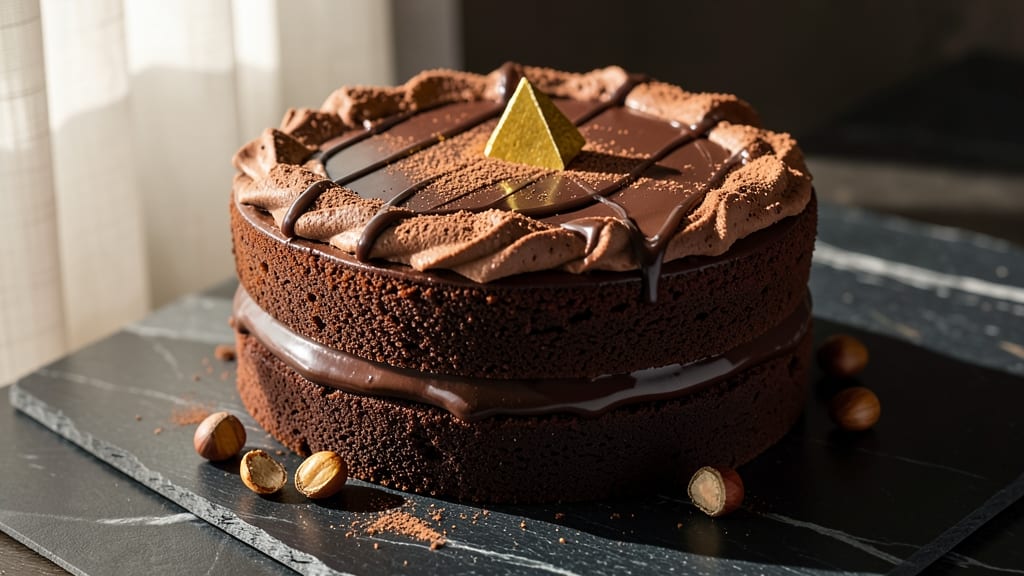
This Nigella Guinness Chocolate Cake recipe delivers decadent, moist layers with a secret espresso boost that deepens the chocolate flavor. The rich stout beer adds complexity while keeping each slice impossibly tender—no dry crumbs here.
I first discovered this version while flipping through my vintage cookbook collection, and it became an instant favorite for dinner parties.
The secret to success lies in the Guinness and espresso powder working together to intensify the chocolate while maintaining that signature fudgy texture. You'll need just 9 ingredients and 60 minutes total, including cooling time.
The cake rises beautifully with its signature domed top, and the aroma alone will have guests lining up for seconds.
What makes this recipe truly special is how the Guinness transforms an ordinary chocolate cake into something extraordinary—deep, slightly bitter notes that balance perfectly with the sweetness.
Each slice stays moist for days, making it ideal for meal prep or special occasions. The espresso boost ensures every bite is rich without being overpowering.
For an extra touch, dust with cocoa powder or add chocolate shavings before serving. This cake is perfect for celebrating birthdays, holidays, or simply treating yourself to a dessert that feels like a hug. Let's get baking!
Ingredients for nigella guinness chocolate cake
Nine ingredients, one decadent cake with a secret depth from Guinness and espresso.
| Ingredient | Amount | Notes |
|---|---|---|
| Unsalted Butter 🧈 | 1 ½ cups | Cold, cubed for creaming |
| Granulated Sugar 🍚 | 2 cups | Light brown preferred |
| All-Purpose Flour 🌾 | 2 ½ cups | Sifted, spooned lightly |
| Unsweetened Cocoa Powder 🍫 | 1 cup | Dutch-processed preferred |
| Baking Powder 🍞 | 2 tsp | Aluminum-free preferred |
| Espresso Powder ☕ | 2 tbsp | Pure, no additives |
| Guinness Stout 🍺 | 1 cup | Room temperature, full-strength |
| Large Eggs 🥚 | 2 whole | Room temperature |
| Vanilla Extract 🌸 | 2 tsp | Pure Madagascar preferred |
The Guinness is non-negotiable—it’s what transforms this into something extraordinary. Grab a bottle from the craft beer section (not the warm, flat one from the back of the fridge). For the cocoa powder, Valrhona or Dutch-processed brands make all the difference—they melt smoothly and deepen the chocolate flavor. The espresso powder? Starbucks or local coffee shops sell pure versions, or you can grind instant espresso finely in a spice grinder. Butter should be cold when you start—take it out of the fridge just before you need it. And that vanilla? Madagascar bourbon extract adds complexity, but pure vanilla works too.
No Guinness? Substitute with 1 cup strong black coffee, but the cake won’t have the same depth. Out of espresso powder? Instant espresso at double the amount works in a pinch, but it’s grainier. The flour needs to be sifted—this cake relies on that light, airy texture. King Arthur or Bob’s Red Mill are my go-tos for consistent results. If you’re baking at high altitude, reduce the baking powder by 1/4 teaspoon. And for the love of cake, don’t skip the room-temperature eggs—they emulsify better and create a smoother batter.
This cake keeps beautifully—3 days at room temperature wrapped in foil, or 5 days in the fridge in an airtight container. For longer storage, slice and freeze portions for up to 3 months. The secret to reheating? A quick 10-second zap in the microwave per slice—just enough to warm the edges without drying it out. I always bake an extra batch—it’s the kind of cake that disappears faster than you can say ‘second slice.’
Why You'll Love This Recipe
- No-Fuss Mixing: I swear by this recipe’s simplicity—just cream butter and sugar, fold in dry ingredients, and let the baking powder do the rest. No whisking until your arm falls off, no sifting like it’s a soufflé. The cocoa and flour come together so smoothly, you’ll wonder why you ever overcomplicated cake before.
- Guinness-Kissed Depth: That stout swirl isn’t just decoration—it’s the secret weapon. The dark cocoa and rich Guinness create a flavor that’s bold but balanced, with a subtle bitterness that makes every bite feel like a little treat. Honestly, the first time I tasted it, I nearly licked the bowl.
- Weeknight Hero: This cake is my go-to for birthdays, date nights, or when I just need dessert now. It’s sturdy enough to slice for lunchboxes (yes, even on a Tuesday) and freezes beautifully if you bake ahead. Between us, I’ve served it at 7 a.m. for pancake toppings—no judgment.
- Pantry Staple Magic: You’re already using what’s in your cupboard: butter, sugar, flour. The cocoa and baking powder? Basic, cheap, and always on hand. No specialty ingredients, no last-minute grocery runs. I’ll be real: I’ve made this with store-brand cocoa, and it was still ridiculously good. Budget-friendly doesn’t mean boring—this cake proves it.
Step-by-step instructions for nigella Guinness chocolate cake
Here's how to bake a decadent, moist cake with layers so rich they'll disappear in seconds.
Cream the Butter and Sugar for Maximum Fluffiness
In a stand mixer fitted with the paddle attachment, beat the 1.5 cups unsalted butter (cold and cubed) with the 2 cups granulated sugar on medium speed until light and fluffy. This should take about 4-5 minutes—you're looking for a pale, airy texture that nearly doubles in volume. The butter should leave a ribbon-like trail when the beaters are lifted. This creaming process incorporates air, which creates that signature moist crumb.
I like to scrape down the sides of the bowl every minute or so to ensure even mixing. If your butter isn't cold enough, it'll melt too quickly and you'll end up with a dense cake. The sugar should be fully dissolved, and the mixture should feel like thick pudding. This step is non-negotiable for that perfect texture.
Incorporate the Eggs and Flavorings
Add the 2 whole large eggs, one at a time, mixing on low speed after each addition until fully incorporated. Then stir in the 2 teaspoons vanilla extract and 2 tablespoons espresso powder. The espresso powder might seem unusual, but it deepens the chocolate flavor and balances the richness of the Guinness stout. Mix just until combined—overmixing will develop gluten and make the cake tough.
Here's the thing—don't rush this step. The espresso powder needs to fully dissolve, and the eggs should be completely incorporated. You'll see the mixture turn a darker shade as the espresso integrates. This is where the cake gets its sophisticated depth of flavor. If you're using room-temperature eggs, they'll blend in more smoothly than cold ones.
Combine Dry Ingredients and Alternate with Guinness Stout
In a separate bowl, whisk together the 2.5 cups all-purpose flour, 1 cup unsweetened cocoa powder, and 2 teaspoons baking powder. Sift the flour first to avoid lumps—this ensures an even texture. With the mixer on low speed, gradually add about one-third of the dry ingredients to the wet mixture, mixing just until combined.
Now for the Guinness stout—this is the secret to the cake's moisture. Add ½ cup of the Guinness stout and mix until just incorporated. Repeat this process, alternating between dry ingredients and the remaining ½ cup Guinness stout, ending with the last of the dry ingredients. The batter should be thick but pourable. If it looks too stiff, add a splash more stout—this cake thrives on moisture.
Bake in Two Layers for Perfect Rise
Preheat your oven to 350°F and divide the batter evenly between two 9-inch round cake pans lined with parchment paper. The batter should fill the pans about two-thirds full. Tap the pans gently on the counter to release any air bubbles. Bake for 25-30 minutes, or until a toothpick inserted into the center comes out clean with a few moist crumbs clinging to it.
Don't overbake—this cake is delicate and will continue cooking slightly as it cools. The edges should be set but the top should still look slightly soft. If you see the edges browning too quickly, tent the pans with foil to prevent over-browning. The Guinness stout makes the cake rise beautifully, so you'll see a domed top when done. Let the cakes cool in the pans for 10 minutes before transferring to a wire rack to cool completely.
Assemble with Filling and Frosting (Optional)
Once completely cooled, level the tops of the cakes if needed. For the filling, whip ½ cup unsalted butter (softened) with 1 cup granulated sugar until light and fluffy. Add 2 teaspoons vanilla extract and 2 tablespoons espresso powder, then beat until smooth. Spread this between the layers and over the top and sides of the cake.
For a simple frosting, mix ½ cup unsweetened cocoa powder with 1 cup melted butter and 2 cups powdered sugar until smooth. Drizzle melted chocolate over the top for extra decadence. The Guinness stout in the cake pairs beautifully with the espresso notes in the frosting, creating a harmonious balance of flavors. This cake is rich enough to stand alone, but the frosting adds that final touch of luxury.
Pro Tips For Making Nigella Guinness Chocolate Cake
- Whisk Butter and Sugar First: I learned this the hard way—mixing the butter and sugar until pale and fluffy (about 3-4 minutes) makes a real difference in this cake. The Guinness and cocoa powder need that light, airy base to shine, not a dense, flat mess. Skip this, and you’ll end up with a brick.
- Sift the Cocoa Powder: Unsweetened cocoa powder is finicky—it clumps like a stubborn teenager. Sift it with the flour and baking powder before mixing to avoid lumps that turn into dry spots in your cake. Yes, even if the bag says "sifted," do it again. Trust me.
- Don’t Overmix the Batter: Once you fold in the Guinness and eggs, stop mixing the second everything’s just combined. Overworking the batter introduces too much air, which collapses during baking and leaves a dense, sad cake. Think "gentle swirls," not "whipped to oblivion."
- Use Room-Temp Butter: Cold butter from the fridge won’t cream properly, and you’ll end up with a greasy, uneven texture. Let it sit out for 30-60 minutes until it’s soft but still holds its shape. I know, I know—you’re eager to bake. But this guarantees a tender crumb, not a greasy disaster.
Regional styles of this nigella guinness chocolate cake
British Pub Classic
This cake originated in British pubs where Guinness stout was a staple, and chefs began experimenting with it in baking. The original version often included a splash of stout in the batter to enhance moisture and add that signature malty depth.
I remember the first time I tried it at a cozy pub in London—it was served with a side of Irish cream for dipping, and honestly, it changed my life. 🍺
The British version typically uses dark brown sugar instead of granulated to intensify the caramel notes, and some recipes call for a splash of rum or whiskey> in the filling.
The cake is often served with a dusting of cocoa powder and fresh berries, especially raspberries, to cut through the richness. If you're feeling adventurous, try adding a layer of salted caramel buttercream between the cakes for a modern twist.
Irish Whiskey Twist
In Ireland, where Guinness was born, this cake often gets a boozy upgrade with 2 tablespoons Irish whiskey> (like Jameson or Redbreast) folded into the batter alongside the Guinness. The whiskey adds a warm, smoky depth that pairs beautifully with the chocolate and espresso.
I once made this version for St. Patrick's Day, and it became a hit—especially with a side of whipped cream and a sprinkle of flaky sea salt.
For an extra Irish touch, replace the vanilla extract with 2 teaspoons Irish cream liqueur> (like Baileys). The creamy, coffee-infused notes complement the espresso powder and Guinness perfectly.
Serve with a dollop of whipped cream and a drizzle of chocolate ganache for a dessert that feels like a hug on a cold day. 💛
American Coffee Shop Adaptation
Across the pond, American coffee shops put their own spin on this cake by adding a shot of cold brew concentrate> to the batter, which gives it an extra coffee kick. Some versions even include a layer of mocha buttercream> or a swirl of chocolate-hazelnut spread.
I’ve seen this at trendy cafes in Boston, where they top it with crushed peppermint for a festive holiday twist.
The American adaptation often skips the espresso powder and relies solely on the cold brew for the coffee flavor, which can make the cake taste slightly more bitter. To balance it, I recommend adding 1 teaspoon cinnamon> to the dry ingredients.
This version is perfect for brunch crowds or as a dessert after a hearty meal—just don’t forget the whipped cream! ✨
European Chocolate Lover’s Version
In Europe, especially in Belgium and France, this cake is often elevated with high-quality Belgian chocolate shavings or a ganache made from 70% dark chocolate>. The Europeans also tend to use less sugar> and more cocoa powder to deepen the chocolate flavor without overpowering the Guinness.
I once had a slice in Paris that was so rich, it felt like biting into a piece of chocolate cake heaven.
For a truly European touch, fold ½ cup chopped dark chocolate> into the batter before baking, or drizzle the finished cake with a chocolate glaze> made from melted chocolate and a splash of cream.
Pair it with a glass of Port wine> or a rich espresso to let the flavors shine. This version is all about indulgence—so save it for special occasions! 🍫
Nutrition facts
Frequently asked questions
Why does this cake use Guinness stout instead of regular milk?
The Guinness stout adds a rich, malty depth that enhances the chocolate flavor while keeping the cake incredibly moist. Unlike milk, the stout's slight bitterness balances the sweetness and creates a complex flavor profile. It also replaces the need for extra oil or butter, making the texture lighter yet fudgy. Think of it as a flavor and moisture booster in one!
Can I make this cake in a single layer instead of two?
Yes, but you'll need a 9x13-inch pan instead of two 9-inch round pans. Reduce the baking time to 30-35 minutes and check for doneness with a toothpick. The single layer will be denser but still delicious—great for sheet cake fans! Just remember to increase the batter by 25% to fill the pan properly.
What's the secret to keeping this cake moist for days?
The Guinness stout and espresso powder work together to lock in moisture, but the real trick is storing it properly. Wrap the cake tightly in plastic wrap or aluminum foil, then place it in an airtight container. For extra moisture, add a slice of bread to the container—it absorbs excess dryness and keeps the cake fresh. This cake stays tender for 5 days at room temperature!
Can I substitute the Guinness with another beer or coffee?
For best results, stick with Guinness—its roasted malt flavor is unique. If you must substitute, use 1 cup strong black coffee (cooled) for the moisture, but the flavor won't be the same. Avoid light beers like lager or pilsner—they lack the depth needed to complement the chocolate. For a non-alcoholic version, try 1 cup cold brew concentrate, but add 1 teaspoon cinnamon to balance the bitterness.
How do I fix a cake that's cracked or sunken?
Cracks usually happen from overmixing or opening the oven too soon. If your cake is cracked but still moist, simply frost or dust with cocoa powder to hide the cracks. For a sunken center, it likely needed 5 more minutes in the oven. Next time, check doneness with a toothpick at 25 minutes and tent with foil if browning too quickly. The Guinness makes the cake rise beautifully, but it's delicate—handle with care when removing from pans!