
Desserts
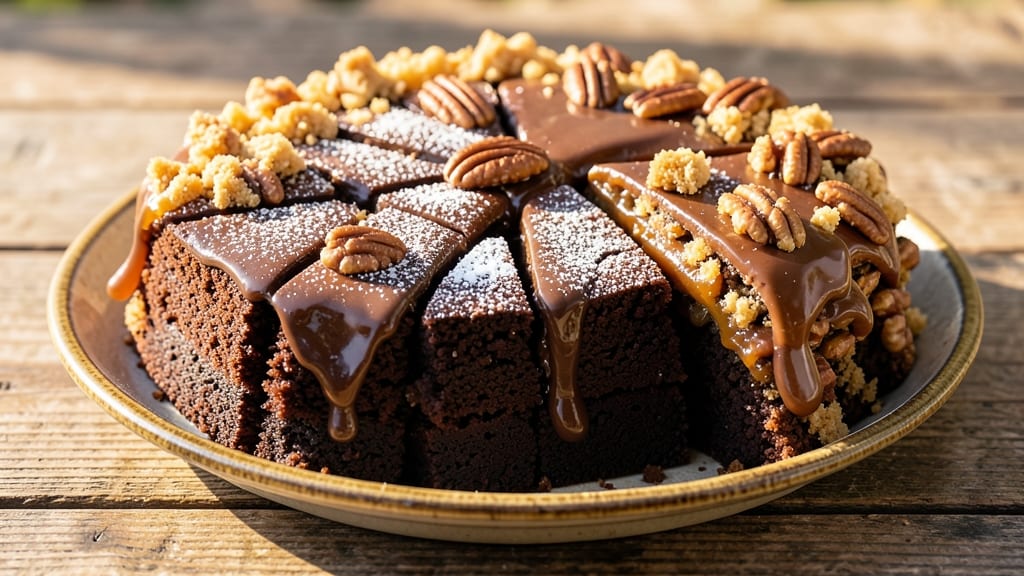
The Old Baker’s German Chocolate Cake delivers layers of rich cocoa, toasted pecans, and coconut swirls that taste like a bakery classic. This recipe preserves the traditional method of baking fudgy layers and assembling them with a velvety chocolate frosting—just like the old bakers did.
The key lies in precise timing and technique, ensuring every slice has that signature texture and flavor. 💫
What sets this cake apart is the combination of a moist, slightly dense batter with a swirl of toasted pecans and sweetened coconut, creating pockets of crunch and sweetness in every bite. The frosting, made with melted chocolate and butter, adds a luxurious finish that ties everything together.
This is a cake that balances tradition with a touch of nostalgia, perfect for celebrations or when you crave a slice of bakery-quality dessert at home.
The process involves baking two layers separately, cooling them completely, and then assembling with the frosting for that classic German Chocolate Cake experience. Each step is designed to ensure the cake stays moist, the frosting stays smooth, and the pecans and coconut remain perfectly toasted.
The result is a dessert that’s rich, indulgent, and impossible to resist.
For those who love tradition, this recipe includes optional tips for variations—like adding a splash of bourbon to the frosting or adjusting the batter for gluten-free flours.
Whether you're baking for a special occasion or simply treating yourself, this Old Baker’s recipe delivers the comfort and satisfaction of a timeless classic.
Ingredients for old baker's german chocolate cake
Traditional baking meets decadent texture in this German Chocolate Cake's core ingredients.
| Ingredient | Amount | Notes |
|---|---|---|
| All-Purpose Flour 🌾 | 2 ½ cups | Sifted for light texture |
| Unsalted Butter 🧈 | 1 ½ cups | Cold, cubed for creaming |
| Granulated Sugar 🍚 | 2 cups | White sugar preferred |
| Dark Brown Sugar 🍚 | ¾ cup | Packed firmly |
| Cocoa Powder 🍫 | ¾ cup | Dutch-processed preferred |
| Large Eggs 🥚 | 4 whole | Room temperature |
| Vanilla Extract 🌿 | 2 tsp | Pure Madagascar preferred |
| Baking Powder 🍞 | 1 ½ tsp | Aluminum-free |
| Salt 🧂 | ½ tsp | Diamond Crystal preferred |
| Toasted Pecans 🥜 | 1 ½ cups | Chopped, store-bought or homemade |
| Sweetened Coconut Flakes 🥥 | 1 cup | Unsweetened if preferred |
| Semisweet Chocolate Bars 🍫 | 8 oz | High-quality, 60% cacao |
| Heavy Cream 🥛 | 1 ½ cups | Whole milk for lighter frosting |
| Powdered Sugar 🍚 | 3 cups | Sifted for smooth frosting |
| Corn Syrup 🍯 | ¼ cup | Light corn syrup preferred |
The cocoa powder and chocolate bars are non-negotiable for authentic flavor. Valrhona or Guittard cocoa powder delivers depth, while Ghirardelli or Lindt chocolate bars ensure rich, velvety texture. For the pecans, Whole Foods or specialty grocers offer pre-toasted varieties, but toasting your own at 350°F for 8-10 minutes enhances flavor dramatically. The butter should be European-style if available—higher fat content prevents dryness. Store flour in airtight containers to prevent absorption of odors, and always sift before measuring for optimal aeration.
No Dutch-processed cocoa? Natural cocoa powder works at the same ratio, though the flavor will differ slightly. Substitute pecans with walnuts or hazelnuts if needed, but toast them first. For a lighter frosting, replace half the heavy cream with whole milk or half-and-half. The corn syrup can be swapped for honey or maple syrup, though it may alter texture slightly. Always use room-temperature eggs to ensure proper emulsification in the batter, and consider adding 1/4 tsp baking soda if your baking powder is old.
Store the dry ingredients—flour, cocoa, and sugars—in a cool, dark place for up to 6 months. Butter and eggs should be refrigerated until use, with butter brought to room temperature before creaming. The toasted pecans and coconut flakes keep well in the freezer for 3 months if stored in airtight containers. Once baked, the cake layers can be wrapped individually and refrigerated for 5 days or frozen for 3 months. The frosting, once made, stores in the fridge for 1 week, though it's best used within 3 days for optimal texture.
Why You'll Love This Recipe
- No Mixer Needed: I swear by this recipe when my mixer’s out of commission—just creaming butter and sugars by hand until light and fluffy. The brown sugar’s sticky texture does most of the work, and a single bowl keeps things tidy.
- Rich Without Overpowering: That dark brown sugar and cocoa powder combo delivers deep, molasses-kissed flavor without tasting like a dessert cliché. Honestly, it’s the kind of cake that makes you forget it’s “German”—until you see the walnuts peeking through.
- Party-Ready in Hours: Bake it for a dinner party, slice it for a potluck, or stash it in the fridge for when your in-laws drop by unannounced. The frosting (if you make it) sets fast, and the cake stays moist for days—no sad, dry crumbs here.
- Budget-Friendly Luxury: Butter and sugar are the stars, but they’re pantry staples that stretch far. I’ve made this for six people for under $10, and the leftovers? They disappear faster than my willpower when it’s still warm.
Step-by-step instructions for German chocolate cake with pecan-coconut swirls
This classic German chocolate cake delivers fudgy layers, toasted pecan swirls, and coconut cream frosting every time.
👨🍳 Step 1: Prepare the Cake Batter and Filling
Preheat your oven to 350°F and grease two 9-inch round cake pans, lining the bottoms with parchment paper. In a stand mixer fitted with the paddle attachment, cream together the 1.5 cups unsalted butter, 2 cups granulated sugar, and 0.75 cup dark brown sugar on medium speed for 3-4 minutes until light and fluffy. This creaming process incorporates air, which creates that signature tender crumb.
Reduce speed to low and add the 4 whole large eggs one at a time, mixing just until each is fully incorporated. Scrape down the sides of the bowl, then add the 2 tsp vanilla extract and mix for 30 seconds. In a separate bowl, whisk together the 2.5 cups all-purpose flour, 0.75 cup cocoa powder, 1.5 tsp baking powder, and 0.5 tsp salt. Gradually add the dry ingredients to the wet mixture, mixing on low speed just until combined.
For the filling, in a small bowl, combine 1.5 cups toasted pecans and 1 cup sweetened coconut flakes. Set aside half of this mixture for the frosting layer. In a separate bowl, melt the 8 oz semisweet chocolate bars over a double boiler or in 30-second intervals in the microwave, stirring between each interval until smooth. Allow to cool slightly.
🍳 Step 2: Layer and Bake the Cake
Divide the cake batter evenly between the prepared pans. Using a rubber spatula, spread the batter smoothly to the edges. Drop spoonfuls of the melted chocolate evenly across each layer, then sprinkle half of the reserved pecan-coconut mixture over the chocolate. Gently swirl the filling into the batter using the tip of the spatula, creating marbled patterns.
Bake for 25-30 minutes or until a toothpick inserted into the center comes out with moist crumbs. The edges should be set, but the center should still have a slight bounce. Rotate the pans halfway through baking for even browning. Let the cakes cool in the pans for 10 minutes, then transfer to a wire rack to cool completely.
Here's the thing—don't skip the cooling step. The cakes will continue setting as they cool, and trying to frost them warm will result in a messy, runny disaster. Patience ensures clean layers and a professional finish.
🥘 Step 3: Prepare the Coconut Cream Frosting
In a medium saucepan, combine the 1.5 cups heavy cream, 3 cups powdered sugar, and 0.25 cup corn syrup. Cook over medium heat, stirring constantly with a wooden spoon, until the mixture reaches 160°F on a candy thermometer and begins to thicken slightly. Remove from heat and let cool for 5 minutes.
While the frosting cools, combine the remaining 1 cup sweetened coconut flakes and 1 cup toasted pecans in a small bowl. Once the frosting has cooled enough to handle (it should be thick but still pourable), fold in half of the pecan mixture, reserving the rest for garnish. The frosting should be smooth but still spreadable—if it's too thick, warm it gently over low heat for 10-15 seconds.
This is the moment that matters: the frosting needs to be at room temperature when you assemble the cake. Too cold and it won't spread; too warm and it'll melt. Aim for a consistency like thick whipped cream.
🍽️ Step 4: Assemble and Garnish the Cake
Place one cake layer on a serving plate and spread an even layer of the coconut cream frosting over the top. Top with the second cake layer and press gently. Spread the remaining frosting evenly over the top and sides of the cake, using a spatula to create smooth, clean edges. Don't worry about getting it perfect—the beauty of this cake is in its rustic charm.
Garnish the top with the reserved pecan-coconut mixture, pressing it gently into the frosting to create a textured finish. For extra flair, pipe a simple border of frosting around the edges or create a lattice pattern with the remaining coconut flakes. Chill the cake in the refrigerator for at least 1 hour before serving to allow the frosting to set properly.
Real talk: this cake tastes even better the next day when the flavors have time to meld. The toasted pecans become more aromatic, the chocolate layers deepen in richness, and the coconut frosting develops a perfect balance of sweetness and creaminess.
Pro Tips For Making Old Baker'S German Chocolate Cake
- Sift That Cocoa: I learned this the hard way—skipping it makes your cake dense and muddy. German chocolate cake relies on cocoa for its signature richness, so sift it with the flour to avoid clumps and guarantee even distribution. No sifter? Use a fine-mesh strainer or whisk vigorously in a bowl first.
- Cream Butter Slowly: Start your butter and sugars at room temperature, but don’t rush the creaming. Beat them on medium speed for 2–3 minutes until the mixture turns pale yellow and fluffy—not just combined. This step locks in air for a lighter cake, and cutting corners here means a heavier texture.
- Skip the Overmixing: Once you fold in the dry ingredients, stop mixing the second everything is just incorporated. Overmixing develops gluten, and German chocolate cake should stay tender. After 10–12 strokes, call it done—your future self will notice the difference.
- Test Doneness with a Toothpick: The cake’s edges might look set while the center stays wet, even after the timer dings. Insert a toothpick—it should come out with moist crumbs, not wet batter or dry flour. If unsure, add 5–10 minutes; German chocolate cake keeps baking after you pull it.
Pro cooking tips for great old baker's german chocolate cake
Creaming Perfection
The secret to a tender, moist cake starts with proper creaming. Use your stand mixer's paddle attachment and cream the 1.5 cups unsalted butter, 2 cups granulated sugar, and 0.75 cup brown sugar on medium speed for 3-4 minutes until light and fluffy.
I use a KitchenAid Artisan Series mixer with the flat beater—it creates more air than the wire whisk attachment. Stop occasionally to scrape down the bowl's sides to ensure even mixing. 🌟
Egg Incorporation
Add the 4 large eggs one at a time on low speed to prevent breaking the yolks. Mix just until each egg is fully incorporated before adding the next.
Overmixing here can lead to dense cake layers. I like to let the mixer run for about 10 seconds per egg—just enough to blend without overworking the batter.
Chocolate Swirl Technique
After dividing the batter into pans, drop spoonfuls of melted chocolate across each layer, then sprinkle half the pecan-coconut mixture. Use a rubber spatula to gently swirl the filling into the batter, creating marbled patterns.
The key is to work quickly but carefully—press the spatula down slightly to create pockets where the chocolate and nuts will settle beautifully. 🥜
Baking Time Mastery
Bake the cakes for 25-30 minutes at 350°F until a toothpick comes out with moist crumbs. The edges should be set, but the center should still have a slight bounce.
Rotate the pans halfway through for even browning. I use an Oven Thermometer to verify my oven's accuracy—many home ovens run 25°F hotter or cooler than set.
Frosting Consistency
The coconut cream frosting needs to reach 160°F on a candy thermometer. If it's too thick after cooling, warm it gently for 10-15 seconds over low heat. The ideal consistency is like thick whipped cream—spreadable but not runny.
I like to test it by dipping a spoon in: if it holds its shape but still flows slightly, it's ready. 🍯
Layer Assembly
Place the first cake layer on a plate, then spread an even layer of frosting. Add the second layer and press gently. Spread remaining frosting over the top and sides, using a offset spatula to create clean edges.
For a rustic look, leave some texture in the frosting. Chill the cake for at least 1 hour before serving to let the frosting set properly. This step prevents a soggy bottom layer.
Nutrition facts
Frequently asked questions
Why does this German chocolate cake have a fudgy texture?
The rich, dense texture comes from the combination of dark brown sugar, Dutch-processed cocoa, and a slightly higher ratio of butter to flour. The melted chocolate swirls add extra moisture and depth, while the 350°F baking temperature ensures a tender crumb without dryness. The key is not overbaking—stop when a toothpick comes out with moist crumbs, not dry ones.
Can I make this cake in a single layer instead of two?
Yes, but the texture will differ slightly. For a single 9-inch layer, reduce the batter by about 25% and bake in a single pan for 35-40 minutes. The cake will be taller and less rich in flavor, as the swirls won't distribute as evenly. This works best for smaller gatherings or when you prefer a taller slice.
How do I prevent the frosting from being too sweet?
Adjust the powdered sugar to taste—start with 2.5 cups instead of 3 cups if you prefer less sweetness. The corn syrup adds moisture and balances the flavor, so don’t omit it entirely. For extra depth, add 1 tsp vanilla extract or a pinch of salt to the frosting. Taste as you go!
What’s the best way to store leftover cake?
Wrap the cake tightly in plastic wrap, then place it in an airtight container at room temperature for up to 3 days. For longer storage, freeze individual slices wrapped in plastic for up to 3 months. Thaw at room temperature for 1-2 hours before serving. The frosting may soften slightly but will firm up again once chilled.
Can I substitute pecans with another nut?
Walnuts or hazelnuts work well—just toast them first at 350°F for 8-10 minutes until fragrant. Chop them finely to mimic the texture of pecans. Avoid almonds, as their mild flavor won’t complement the chocolate-coconut profile as effectively. For a nut-free version, use extra coconut flakes or crushed graham crackers.