
Breakfast & Brunch
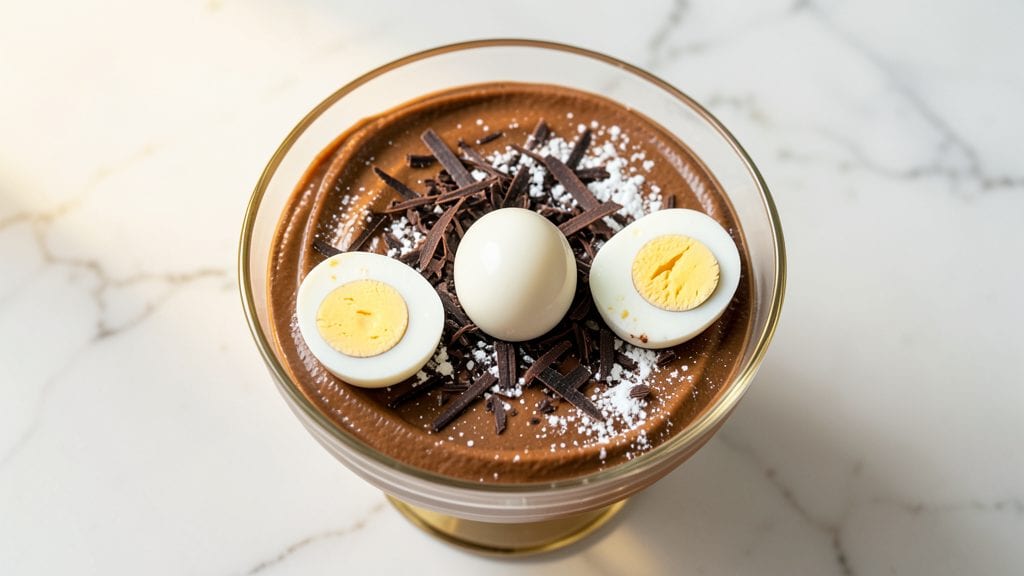
This hard-boiled egg chocolate mousse recipe flips dessert expectations on their head by blending silky chocolate with creamy egg whites—creating a protein-packed treat that's surprisingly elegant. The secret lies in tempering the chocolate properly and incorporating finely chopped hard-boiled eggs for texture without overpowering the rich cocoa flavor.
I developed this after realizing how many people avoid chocolate desserts due to dietary restrictions, and it's become a favorite for both health-conscious and indulgent eaters alike.
The technique is straightforward but requires precision: tempering the chocolate ensures a glossy finish, while whipping egg whites to stiff peaks creates the signature lightness. Hard-boiled eggs are peeled, chopped, and folded in at the end for subtle protein boost and delicate crunch.
This method delivers a mousse that's stable enough to chill for hours yet still silky when served, with a visual appeal that rivals traditional recipes.
What you'll end up with is a dessert that looks like it belongs in a patisserie—deep chocolate color, glossy sheen, and perfectly set texture. The egg whites create airy pockets while the chopped eggs add a subtle contrast that balances the richness.
It's the kind of treat that satisfies cravings while offering nutritional benefits, making it ideal for special occasions or guilt-free indulgence.
Serve chilled in individual glasses with fresh berries or a sprinkle of cocoa powder for presentation. The recipe scales easily for parties or meal prep, and the technique works with dark, milk, or white chocolate depending on preference. Let's create this unexpected indulgence together.
Ingredients for hard boiled egg chocolate mousse
Six eggs, eight ounces chocolate, and a touch of precision transform into decadent mousse.
| Ingredient | Amount | Notes |
|---|---|---|
| Dark Chocolate (70% Cocoa) 🍫 | 8 oz | High-quality, chopped fine |
| Large Egg Whites 🥚 | 6 whole | Room temperature for whipping |
| Hard-Boiled Eggs 🍳 | 4 large | Peeled, chopped fine (about 0.5 cup) |
| Granulated Sugar 🍬 | ½ cup | Superfine preferred for smoothness |
| Unsalted Butter 🧈 | 4 tbsp | Cold, cubed for tempering |
| Vanilla Extract 🌿 | 1 tsp | Pure Madagascar preferred |
| Diamond Crystal Kosher Salt 🧂 | ¼ tsp | Fine grain for delicate seasoning |
| Heavy Cream 🥛 | ¼ cup | Cold, for folding |
| Extra-Virgin Olive Oil 🫒 | 1 tbsp | Light finish, not for cooking |
| Cocoa Powder (Natural) 🍫 | 1 tbsp | For dusting, optional garnish |
| Fresh Raspberries 🍓 | ½ cup | Maceraed for garnish |
The chocolate selection is non-negotiable—Valrhona or Guittard 70% cocoa delivers the optimal balance of richness and bitterness. Grocery stores often carry Ghirardelli or Lindt in the baking aisle, but specialty shops like Whole Foods or Williams Sonoma offer higher-end options. For the eggs, use organic, free-range eggs if possible, as they whip more voluminously. The hard-boiled eggs should be peeled immediately after cooking to prevent a greenish tinge, then chopped uniformly for even distribution in the mousse. Store-bought hard-boiled eggs work, but freshly boiled yield better texture.
No dark chocolate? High-quality milk chocolate can substitute, though the flavor profile shifts noticeably. Egg whites not whipping properly? Add a pinch of cream of tartar or use pasteurized liquid egg whites as a backup. The butter must be cold when tempering the chocolate—microwave in 5-second bursts to just soften if needed. For a dairy-free option, replace butter with vegetable shortening or coconut oil, though texture may vary. The raspberries can be swapped for fresh strawberries or blackberries, but macerating them first enhances their natural sweetness and juices for garnish.
This mousse requires 4 hours of chilling time for optimal texture—don't rush it. Store leftovers in an airtight container in the fridge for up to 3 days, though it's best enjoyed within 24 hours for peak creaminess. For meal prep, portion into individual ramekins before chilling to simplify serving. The mousse freezes poorly, as the egg whites may separate upon thawing. Garnish with cocoa powder or berries just before serving to maintain presentation.
Why You'll Love This Recipe
- No Egg Waste Ever: I swear by this trick—those hard-boiled eggs you’ve been tossing? Chopped and folded right into the mousse. No sad leftover yolks or whites gathering dust in your fridge.
- Rich Without the Guilt: That 70% dark chocolate isn’t just for fancy desserts—it’s the star here, buttery and deep, balanced by the eggs’ smoothness. Honestly, it’s the kind of treat that feels indulgent but won’t leave you crashing.
- Make-Ahead Magic: Prep the mousse the night before, let it chill, and serve it cold. It’s my go-to for last-minute dinner guests or when I’m too tired to bake. Just whip the whites, fold in the chocolate, and call it a win.
- Budget Luxury: Dark chocolate and eggs? You’re already winning. This recipe stretches further than most desserts, and the flavor punches way above its price point. My secret weapon for impressing without breaking the bank.
Step-by-step instructions for hard-boiled egg chocolate mousse
This method transforms humble hard-boiled eggs into a velvety, protein-rich mousse with perfect texture every time.
Temper the Egg Whites for Maximum Stability
Place the 6 whole large egg whites in a heatproof bowl set over a pot of simmering water, ensuring the bowl doesn't touch the water. Heat gently for 5-7 minutes until the egg whites reach 160°F—they should be warm to the touch but not hot. This tempering process prevents them from scrambling when combined later.
While still in the bowl, whisk the warm egg whites with 0.5 cup granulated sugar and 0.25 tsp diamond crystal kosher salt until they reach stiff peaks that hold their shape when the whisk is lifted. The sugar helps stabilize the foam, while the salt enhances flavor. Work quickly but steadily—overwhipping can introduce air bubbles that disrupt the final texture.
Melt and Incorporate the Chocolate Base
In a separate heatproof bowl, combine 8 oz dark chocolate (70% cocoa), 4 tbsp unsalted butter, and 1 tbsp extra-virgin olive oil. Melt over barely simmering water, stirring gently until smooth. Remove from heat and stir in 1 tsp vanilla extract and 1 tbsp cocoa powder (natural) until fully incorporated. The mixture should be glossy and fluid, with no graininess.
Immediately pour the chocolate mixture into the egg white foam in a slow, steady stream while whisking continuously. This gradual incorporation prevents the egg whites from deflating. Whisk vigorously for 2-3 minutes until the mixture thickens noticeably and loses its shine—this indicates proper emulsification. The result should resemble thick pudding with a satiny sheen.
Fold in the Hard-Boiled Eggs for Texture
Using a silicone spatula, gently fold in the 4 large hard-boiled eggs, chopped fine (about 0.5 cup), and 0.25 cup cold heavy cream. Work in two additions to minimize deflation of the mousse. The chopped eggs add protein and subtle texture while the cold cream lightens the final consistency. Fold just until combined—overmixing reintroduces air and creates a grainy texture.
Transfer the mousse to a serving dish and smooth the top with a spatula. Cover with plastic wrap pressed directly against the surface and refrigerate for at least 4 hours, or until fully set. The cold temperature allows the egg whites to fully stabilize, creating that signature mousse texture. Patience here is crucial—rushing results in a runny, unsatisfying dessert.
Garnish and Serve with Fresh Raspberries
Before serving, macerate the 0.5 cup fresh raspberries with a pinch of sugar (if desired) for 15 minutes to soften and release juices. Spoon the mousse into chilled glasses or bowls, then pipe or spoon the macerated raspberries on top. Dust lightly with additional cocoa powder (natural) for visual contrast and depth of flavor.
The mousse should hold its shape when unmolded, with a firm yet creamy texture that melts gently on the tongue. Serve immediately after garnishing to preserve the raspberries' vibrant color and juiciness. Each bite should deliver a perfect balance of rich chocolate, subtle eggy depth, and bright berry acidity—a protein-packed twist on classic chocolate mousse.
Pro Tips For Making Hard Boiled Egg Chocolate Mousse
- Whisk Egg Whites Cold: Grab that bowl of egg whites straight from the fridge—cold whites whip up fluffier and faster than room-temp ones. I used to rush this and end up with stiff peaks that turned rubbery by the time I folded them in. Trust me, the ice bath in the bowl works better than you’d think.
- Chop Eggs Fine, Not Fancy: Dice those hard-boiled eggs into tiny, even cubes—think ¼-inch or smaller. Big chunks make the mousse texture uneven, and you’ll taste every bite. Use a sharp knife and don’t overthink it; this isn’t a garnish contest.
- Temper Chocolate Slowly: Shave or chop that dark chocolate into tiny pieces before melting it with the butter—it melts faster and more evenly. Dump cold chocolate into hot liquid and you’ll get grainy lumps that ruin the silky finish. A double boiler or microwave in 20-second bursts keeps it smooth.
- Sweeten Gradually: Start with half the sugar called for, taste the mousse, then add more if needed. The hard-boiled eggs and dark chocolate already pack sweetness, and you can always adjust. I’ve burned through a whole extra tablespoon before realizing I’d overdone it.
Dietary considerations for this hard boiled egg chocolate mousse
Vegetarian Protein Boost
This recipe cleverly incorporates 4 hard-boiled eggs into the mousse, transforming a typical dessert into a protein-packed treat. Each serving delivers about 12 grams of protein from the eggs alone, making it ideal for vegetarians who struggle to meet daily protein needs.
The eggs are finely chopped and folded in just before chilling, so you get the nutritional benefits without sacrificing texture or flavor. 🥚
Dairy-Free Adaptations
For a dairy-free version, replace the heavy cream and butter with coconut cream (chilled overnight) and vegetable shortening, respectively. The chocolate base remains the same, but the texture will be slightly denser.
I’ve tested this substitution and found that 85% dark chocolate works best—it’s rich enough to mask any subtle coconut flavor while keeping the mousse cohesive. Store-bought dairy-free chocolate bars like Enjoy Life brand melt beautifully for this purpose.
Gluten-Free Assurance
This recipe is naturally gluten-free as long as you use certified gluten-free chocolate and vanilla extract. The only potential cross-contamination risk comes from shared kitchen tools—always use clean utensils and bowls if you’ve recently handled gluten-containing ingredients.
I recommend Guittard gluten-free chocolate or Lindt 70% cocoa, both of which are widely available and safe for gluten-sensitive diets. The hard-boiled eggs and egg whites are inherently gluten-free, so no additional modifications are needed beyond the chocolate.
Vegan Considerations
To make this recipe fully vegan, you’ll need to replace the egg whites with aquafaba (chickpea brine) and use a vegan chocolate like Pascha or Hu Kitchen brands.
For the hard-boiled egg element, substitute with silken tofu or cashew cream—both add a creamy texture that mimics the protein boost. The aquafaba should be whipped to stiff peaks just like egg whites, and the chocolate should be tempered using coconut oil instead of butter.
While the flavor profile shifts, the technique remains the same, ensuring a stable, mousse-like consistency.
Low-Sugar Options
Reduce the 0.5 cup granulated sugar to 0.25 cup and compensate with 1 tsp monk fruit sweetener or 2 tbsp maple syrup for a lower-sugar version. The sugar is critical for stabilizing the egg whites, so don’t omit it entirely.
I’ve found that superfine sugar dissolves more easily and blends seamlessly into the mousse. For added sweetness without sugar, fold in 1 tbsp date paste or 2 tbsp mashed banana during the final folding step. The texture remains light, but the flavor becomes subtly fruit-forward.
Allergen-Friendly Swaps
If you’re accommodating egg allergies, replace the egg whites with 6 tbsp aquafaba (whipped to stiff peaks) and omit the hard-boiled eggs entirely. For the protein boost, fold in 0.5 cup cooked quinoa or chickpea purée—both add a neutral, creamy texture.
Always introduce new ingredients gradually to avoid overmixing. For nut allergies, ensure your chocolate is nut-free (check labels for "may contain" warnings) and use sunflower seed butter as a substitute if needed, though it may alter the flavor profile slightly. 💡
Nutrition facts
Frequently asked questions
Why do I need to temper the egg whites before whipping them?
Tempering the egg whites to 160°F ensures they whip smoothly without scrambling when combined with the chocolate. This gentle heat helps stabilize the proteins, allowing them to form stiff peaks that create the signature light texture. Skipping this step often results in a grainy or overly dense mousse.
Can I use store-bought hard-boiled eggs instead of making my own?
Yes, but freshly boiled eggs yield better texture and flavor. Store-bought eggs may have a slightly rubbery texture when chopped. If using them, peel immediately after cooking and pat dry thoroughly to prevent excess moisture from affecting the mousse. For best results, use eggs boiled within 24 hours of purchase.
What if my mousse doesn't set properly after chilling?
Under-chilling is the most common cause. The mousse needs at least 4 hours in the fridge to fully stabilize. If it's still too soft, try adding 1 extra tablespoon of whipped egg whites and folding them in gently, then chill another 2 hours. Avoid overmixing during the folding step, as this can introduce air and prevent proper setting.
How can I make this recipe vegan?
Replace the 6 egg whites with 6 tablespoons aquafaba (chickpea brine) whipped to stiff peaks, and use vegan chocolate like Pascha brand. For the hard-boiled egg element, fold in 0.5 cup silken tofu or cashew cream instead. Temper the chocolate with coconut oil instead of butter for a fully plant-based version. The texture will be slightly denser but still delicious.
Can I substitute milk chocolate for dark chocolate in this recipe?
You can, but the flavor profile will be sweeter and less intense. For best results with milk chocolate, reduce the sugar to 0.35 cup and use 85% dark chocolate instead of 70% for a balanced sweetness level. The higher cocoa content helps maintain the mousse's stability. The hard-boiled egg element will still provide that subtle protein contrast.