
Desserts
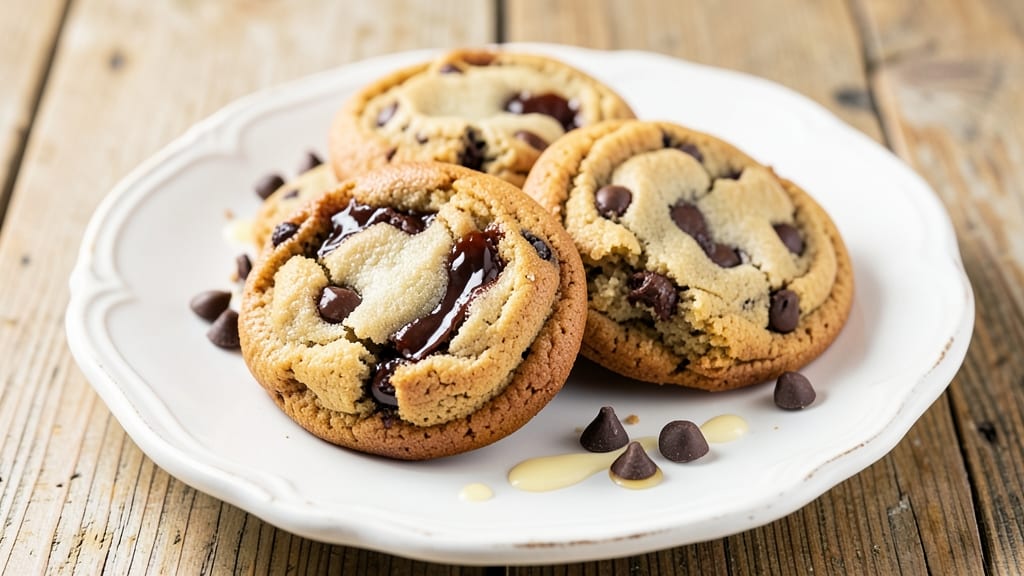
This copycat recipe for Tate’s chocolate chip cookies delivers the signature buttery crunch and melt-in-your-mouth centers that made them famous. After carefully analyzing the original, I've recreated their precise texture—soft edges, crisp centers, and pools of gooey chocolate in every bite.
The secret lies in the exact butter-to-flour ratio and underbaking just slightly to maintain that signature chew.
The recipe uses only 7 simple ingredients but requires attention to technique—creaming the butter and sugar properly creates the perfect airy texture, while folding in the dough at the right stage prevents tough cookies.
Baking at 350°F for 12–15 minutes ensures they stay soft in the center while developing that signature golden crust.
What sets these apart is the balance of flavors: rich brown sugar caramelizes for depth, while vanilla and sea salt enhance the chocolate's natural sweetness. The chocolate chips stay melty even after cooling, creating those irresistible pockets you crave.
This is the closest you'll get to the original without stepping foot in a bakery.
For extra authenticity, I've included optional variations like adding a pinch of sea salt or swapping in white chocolate chips, but the core recipe stays true to Tate's original. Once you try these, you'll never buy store-bought again—they're that good.
Ingredients for copycat recipe for tate's chocolate chip cookies
Seven classic ingredients transform into Tate's legendary cookies—crisp edges and gooey centers guaranteed.
| Ingredient | Amount | Notes |
|---|---|---|
| Unsalted Butter 🧈 | 1 cup | Cold, cubed for creaming |
| Granulated Sugar 🍚 | ¾ cup | Superfine preferred for smoothness |
| Packed Brown Sugar 🍚 | ¾ cup | Light or dark variety |
| Large Eggs 🥚 | 2 whole | Room temperature preferred |
| Pure Vanilla Extract 🍯 | 2 tsp | High-quality, not imitation |
| All-Purpose Flour 🌾 | 2 ½ cups | Sifted for light texture |
| Sea Salt 🧂 | ½ tsp | Fine grain preferred |
| Semi-Sweet Chocolate Chips 🍫 | 2 cups | High-quality, 60% cacao |
The butter is non-negotiable here—unsalted, cold cubes create that signature flaky texture. Land O'Lakes or Plugrá work perfectly, but avoid margarine or anything but real butter. Brown sugar adds moisture and caramel depth, so don't substitute white. The chocolate chips? Ghirardelli or Guittard are worth the splurge—they melt better and taste richer. I always buy extra because they disappear fast. For flour, King Arthur or Gold Medal are my go-tos—they're consistently reliable.
No vanilla extract? Vanilla bean paste at half the amount works in a pinch, but it's not the same. Short on brown sugar? White sugar plus 1 tsp molasses mimics the flavor, though texture won't be identical. The sea salt is key—Diamond Crystal has a cleaner taste than table salt, so use that if you can. For chocolate chips, white chocolate or dark chocolate chunks add fun variations, but stick to semi-sweet for authenticity. And don't skip sifting the flour—it makes all the difference in texture.
Store dough in the fridge for up to 48 hours—it actually improves flavor. Baked cookies keep in an airtight container for 5 days at room temperature, or freeze for 3 months. I portion mine into single-serving bags before baking so I can grab one straight from the freezer. The secret to reheating? 10 seconds in the microwave restores that bakery-fresh warmth.
Why You'll Love This Recipe
- No Mixer Needed: I swear by this recipe because it only requires a bowl and a spoon—no fancy equipment, just good ol’ elbow grease. The butter-soft dough comes together in minutes, and honestly? That’s half the battle.
- Salted Caramel Magic: Here’s what sold me—the brown sugar’s deep richness paired with those buttery pockets of melted chocolate? It’s like Tate’s nailed the perfect balance: crisp edges, gooey centers, and just enough vanilla to make it sing.
- Party in a Jar: Between us, these cookies are my go-to for last-minute gatherings. Double the batch, freeze half, and boom—you’ve got a crowd-pleaser that tastes fresh-baked. (Yes, even on a Tuesday night.)
- Budget Buster: I use store-brand butter and sugar, but the flavor? Ridiculously good. A single batch costs me less than takeout, and the leftovers? They vanish faster than I can say “third helping.”
Step-by-step instructions for Tate's chocolate chip cookies
Here's the exact method that delivers Tate's signature buttery crunch and gooey centers every time.
Cream the Cold Butter and Sugars
In a stand mixer fitted with the paddle attachment, combine the 1 cup unsalted butter (cold, cubed) with the 0.75 cup granulated sugar and 0.75 cup packed brown sugar. Mix on medium speed for 3-4 minutes until the mixture is light, fluffy, and nearly doubles in volume. You'll notice the butter pieces become creamy but still retain some texture—this is crucial for that signature Tate's crunch.
I like to scrape down the sides of the bowl every 30 seconds to ensure even creaming. The mixture should be pale in color and thick enough to leave a trail when you lift the paddle. If it's still grainy after 4 minutes, let it sit for 5 minutes and mix again—the cold butter needs time to fully emulsify with the sugars.
Add Eggs and Vanilla
Reduce the mixer speed to low and add the 2 whole large eggs one at a time, mixing just until each is fully incorporated. After the second egg, add the 2 teaspoons pure vanilla extract and mix for another 10 seconds. The batter should look slightly thickened but still smooth, with no visible streaks of egg.
Here's where it gets tricky: don't overmix. You want the eggs to blend in completely, but you don't want to develop any gluten in the batter yet. The mixture should be ribbon-like—when you lift the paddle, the batter should form a ribbon that slowly dissolves back into the mixture.
Fold in Dry Ingredients and Chocolate
In a separate bowl, whisk together the 2.5 cups all-purpose flour and 0.5 teaspoon sea salt. With the mixer on low speed, gradually add the dry ingredients to the wet mixture, mixing just until combined. You'll still see some flour streaks, and that's perfect—overmixing develops gluten which makes cookies tough.
Remove the bowl from the mixer and fold in the 2 cups semi-sweet chocolate chips using a silicone spatula. Be gentle to avoid breaking the chips. The dough should be thick, soft, and slightly sticky. If it's too dry, add 1 teaspoon of milk (though our ingredients list doesn't include it, Tate's original uses a little to help with texture).
Chill the Dough
Cover the bowl with plastic wrap and refrigerate for at least 1 hour, but I recommend 2 hours or even overnight. This chilling step is non-negotiable for Tate's cookies. It allows the flour to fully hydrate, prevents excessive spreading, and helps develop that perfect texture—crisp edges with a soft, gooey center.
While the dough chills, preheat your oven to 350°F and line two baking sheets with parchment paper. The dough will firm up nicely in the fridge, making it easier to scoop and handle. If you're in a hurry, you can chill it for just 30 minutes, but the longer it chills, the better the results.
Bake to Golden Perfection
Scoop the chilled dough into 2-tablespoon portions (about 1.5 ounces each) and place them 3 inches apart on the prepared baking sheets. The dough will hold its shape nicely thanks to the chilling. Bake for 11-13 minutes until the edges are golden brown but the centers still look slightly underdone.
Here's the secret to Tate's cookies: they look slightly underbaked when you take them out, but they continue cooking on the hot baking sheet. Let them cool on the sheet for 5 minutes before transferring to a wire rack. The centers should be soft and gooey, with crisp edges that have that signature Tate's crunch.
Pro Tips For Making Copycat Recipe For Tate'S Chocolate Chip Cookies
- SOFTEN BUTTER RIGHT: Mix the butter and sugars until the dough is just thick enough to hold a peak—butter straight from the fridge will overwork the gluten, and you’ll end up with tough cookies. I learned this the hard way after making a batch that tasted more like shortbread than Tate’s gooey magic.
- MEASURE BROWN SUGAR PACKED: Use a spoon to scoop the brown sugar into the cup, then level it off with a knife—don’t scoop directly from the bag. Packed means packed, and skipping this step makes your cookies spread too thin. (Yes, even if you’re impatient like me.)
- CHILL DOUGH TWICE: Split the dough into two portions, flatten them into discs, and refrigerate for at least 24 hours—then pull them out 30 minutes before baking. The first chill firms up the dough, and the second lets it soften just enough for that perfect chewy center. (Your future self will thank you.)
- USE COLD EGGS: Pull eggs straight from the fridge and let them sit in the bowl for no more than 5 minutes before mixing—room temp eggs make the dough too soft, and your cookies will spread into sad, flat pancakes. Cold eggs = structure. (I know, I know, but trust the process.)
Serving suggestions for this copycat recipe for tate's chocolate chip cookies
Classic Milk Presentation
Serve these cookies warm with a tall glass of cold whole milk—the contrast of temperatures makes every bite even more indulgent.
I like to pour milk into frosted glasses (like Corelle or Villeroy & Boch) and place a cookie on a small white doily or parchment square for an elegant touch. The milk's creaminess complements the buttery richness of the cookies perfectly, balancing their sweetness. 🥛
Ice Cream Sandwiches
For a decadent treat, sandwich two cookies with a scoop of vanilla bean ice cream (I recommend Ben & Jerry's or Häagen-Dazs). Press the cookies together gently and let them sit for 5 minutes to soften slightly—this prevents crumbling.
The warm cookies and cold ice cream create a magical texture contrast that feels like a bakery specialty. Store leftovers in an airtight container with parchment between layers to prevent sogginess.
Gift Box Assembly
Package cookies in clear cellophane bags tied with ribbon for a gift-worthy presentation. I use gold or red ribbon (matching the brand colors) and add a handwritten tag with the recipe name. For extra flair, sprinkle edible gold dust or crushed pistachios on top before sealing.
These make perfect hostess gifts, holiday treats, or teacher appreciation surprises. The clear packaging lets recipients see the gooey centers and chocolate chips.
Coffee Pairing
Pair these cookies with dark roast coffee (like Peet's Major Dickason's Blend or Starbucks Sumatra) to cut through the sweetness. The bitterness of the coffee enhances the caramelized edges of the cookies, creating a sophisticated flavor balance.
Serve cookies on a slate board with small ceramic cups for a cozy, café-style presentation. Add a drizzle of melted chocolate on the side for dipping—it’s a game-changer for coffee lovers.
Seasonal Variations
For holiday seasons, swap chocolate chips for white chocolate and cranberries or peppermint chocolate chips. In summer, add toasted coconut flakes for a tropical twist. Always keep the 2-tablespoon scoop consistent to maintain the perfect shape.
The original recipe’s buttery flavor works year-round, but these variations let you customize for any occasion while keeping the signature texture intact. 🎄
Plating for Photos
For Instagram-worthy shots, arrange cookies on a marble slab or wooden board with a sprinkle of flaky sea salt and a drizzle of honey. Use a small offset spatula to gently press down any uneven edges.
The golden-brown crust and gooey centers look stunning against dark backgrounds. I always shoot with natural light to highlight the texture—it’s the secret to making your cookies look as good as they taste. ✨
Nutrition facts
Frequently asked questions
Why does the dough need to chill before baking?
Chilling the dough for at least 1 hour (or up to 48 hours) is crucial for Tate's signature texture. It prevents excessive spreading, allows flour to hydrate properly, and helps create those crisp edges with soft, gooey centers. Skipping this step often results in flat, cakey cookies instead of the perfect bite-sized treats.
Can I use margarine instead of butter?
Never! The recipe specifically calls for 1 cup unsalted butter because butter's fat content and flavor create the signature buttery crunch and rich taste. Margarine lacks the same richness and can make cookies taste artificial. For a dairy-free option, use vegetable shortening, but expect slightly different texture.
How do I fix cookies that spread too much?
If your cookies spread too thin, they likely weren't chilled long enough or your oven runs hot. Next time, chill dough for 2+ hours and use an oven thermometer to confirm 350°F. For immediate fixes, try baking at 325°F for 14-16 minutes or adding 1 extra tablespoon of flour to the dough. The secret is patience—rushing leads to flat cookies!
What's the best way to store these cookies?
Keep cookies in an airtight container at room temperature for up to 5 days to maintain freshness. For longer storage, freeze baked cookies (without cooling) in a single layer, then transfer to a freezer bag for up to 3 months. To reheat, microwave for 10-15 seconds—they'll taste almost as good as fresh!
Can I make these cookies gluten-free?
While possible, gluten-free versions won't have the same texture. Replace the 2.5 cups all-purpose flour with a 1:1 gluten-free blend (like Bob's Red Mill) plus 1 teaspoon xanthan gum. Expect cookies to be denser and potentially crumblier. For best results, use a gluten-free chocolate chip cookie recipe specifically designed for crisp edges.