
Desserts
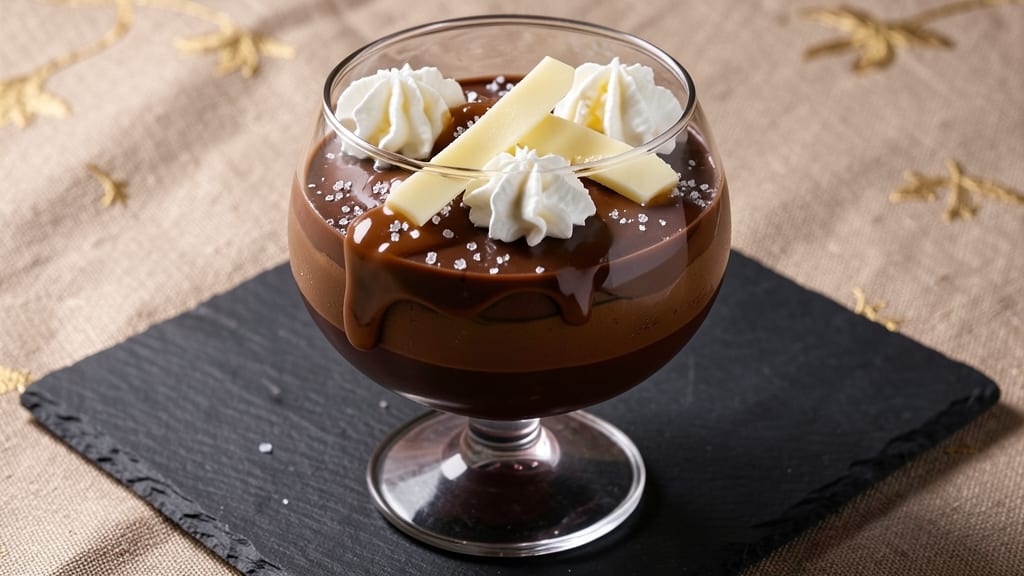
This chocolate wine dessert recipe transforms two indulgent ingredients into a decadent treat that feels like a dessert and a cocktail in one.
The secret lies in reducing rich red wine with chocolate until it reaches a velvety, boozy-sweet consistency—perfect for drizzling over ice cream, layering in trifles, or even sipping as a dessert wine.
After years of perfecting the balance between bitterness and sweetness, I’ve developed a method that delivers restaurant-quality results at home.
The process begins with simmering wine and chocolate until it thickens into a glossy sauce, then cooling it just enough to set properly. This technique ensures the chocolate stays smooth without seizing, while the wine’s natural acidity cuts through the richness for a perfectly balanced flavor.
What you’ll end up with is a dessert that’s sophisticated yet approachable—ideal for impressing guests or treating yourself after a long week.
Whether you drizzle it over vanilla bean ice cream, swirl it into whipped cream, or serve it as a sauce for chocolate-dipped strawberries, this recipe elevates simple desserts into something extraordinary.
The key is patience during the reduction—rushing it will ruin the texture, but taking your time guarantees a silky, luxurious finish. Trust me, once you taste this, you’ll never buy store-bought chocolate syrups again.
This dessert works equally well for special occasions or spontaneous cravings—just adjust the sweetness to your preference by adding a pinch of sugar or a splash of cream.
The versatility makes it a go-to recipe for any chocolate lover who enjoys a little boozy twist. Let’s get started on creating something truly unforgettable.
Ingredients for chocolate wine
Two ingredients, one luxurious sauce—rich wine meets velvety chocolate for a dessert that tastes like a cocktail.
| Ingredient | Amount | Notes |
|---|---|---|
| High-Quality Red Wine 🍷 | 1 ½ cups | Bold dry variety like Cabernet Sauvignon |
| Dark Chocolate Bars 🍫 | 8 oz | 70% cocoa or higher, chopped fine |
| Heavy Cream 🥛 | ½ cup | Full-fat for best texture |
| Granulated Sugar 🍚 | ¼ cup | Adjust to taste |
| Unsalted Butter 🧈 | 2 tbsp | Cold for swirling |
| Vanilla Bean Paste 🌿 | ½ tsp | Or 1 tsp vanilla extract |
| Pinch of Salt 🧂 | ⅛ tsp | Enhances chocolate flavor |
| Vanilla Bean Ice Cream 🍦 | 1 ½ cups | For serving, optional |
| Whipped Cream 🥛 | ½ cup | For garnish, optional |
| Fresh Berries 🍓 | ½ cup | For garnish, optional |
The wine is non-negotiable here—Cabernet Sauvignon or Merlot work best, but any bold red will do. Trader Joe's or local wine shops often have affordable bottles perfect for cooking. Avoid sweet dessert wines; you want dry, tannic depth. For chocolate, Ghirardelli or Lindt 70% bars melt beautifully, but Valrhona or Callebaut are worth it if you're treating yourself. Chop the chocolate into even pieces—it melts faster and more evenly. The butter should be cold when you add it at the end; this creates those gorgeous swirls that make it look restaurant-worthy.
No red wine? Substitute with 1.5 cups of strong black coffee—it mimics the acidity. Out of chocolate? Dark cocoa powder plus 2 tbsp melted butter works in a pinch, but texture will differ. The vanilla bean paste is ideal, but pure extract is fine if that's what you have. For the sugar, start with less—you can always add more, but you can't take it out. If you're feeling fancy, infuse the cream with a splash of orange liqueur before whipping it for garnish. The berries add freshness, but toasted nuts or mint leaves work too if you're feeling different.
This sauce keeps beautifully—3 days in the fridge sealed tightly, or 3 months frozen in an airtight container. For freezing, cool it completely first, then store in thin layers. Reheat gently over low heat or in the microwave with a splash of cream to restore its silky texture. I like to portion it into small jars—perfect for quick dessert toppers. If it thickens too much when cooled, just whisk in a teaspoon of warm cream. Trust me, it's worth making extra.
Why You'll Love This Recipe
- Five-Ingredient Magic: I swear, this is the kind of recipe where you measure, melt, and stir—no fancy techniques. The wine and chocolate do all the heavy lifting while you sip your first glass before dinner’s even ready.
- Rich Without Effort: That velvety heavy cream and butter? They turn dark chocolate into something luxurious, but honestly, it’s just simmering until smooth. The red wine cuts through the sweetness like a secret handshake—deep, balanced, and so satisfying.
- Date Night or Lazy Sunday: Pour it over vanilla ice cream for a fancy dessert, or serve it warm with crusty bread when you’re too tired to cook. Between us, I’ve used it to impress a first date and as my 9 p.m. reward after a rough week.
- Leftovers That Lie: This stuff tastes just as good reheated the next day—if you can even wait. And since it’s mostly pantry staples (plus a bottle of wine you’d drink anyway), it’s basically free indulgence. My freezer’s full of jars labeled “emergency chocolate fix.” You’ll know what I mean.
Step-by-step instructions for boozy chocolate wine dessert
Here's how to craft layers of deep, wine-infused chocolate richness that'll impress any crowd.
Create the Chocolate Wine Sauce
In a medium saucepan, combine the 1.5 cups high-quality red wine and the 8 oz dark chocolate bars. Place over medium heat and stir constantly until the chocolate melts completely and the mixture reaches a gentle simmer. You'll see the chocolate dissolve into a glossy, velvety sauce—this is where the wine's bold flavors really start to shine.
Once fully melted, whisk in the 0.5 cup heavy cream and reduce heat to low. Let it simmer for 5 minutes, stirring occasionally, until the sauce thickens slightly. The sauce should coat the back of a spoon smoothly. Remove from heat and stir in the 0.5 tsp vanilla bean paste and 0.125 tsp pinch of salt. This step develops the sauce's depth—let it sit for 10 minutes to allow flavors to meld completely.
Prepare the Chocolate Layers
In a separate bowl, melt the 2 tbsp unsalted butter until just liquid. Stir in the 0.25 cup granulated sugar and whisk until completely dissolved. This butter-sugar mixture will create the perfect base for our chocolate layers. Pour this into a 9-inch pie dish or baking pan and spread evenly to create a thin, even layer.
Carefully pour the chocolate wine sauce over the butter-sugar layer, spreading it evenly. The sauce should cover the entire surface completely. Place the dish in the refrigerator and let it set for 2 hours, or until firm to the touch. This chilling step is crucial—it creates the perfect textured base for the ice cream layer we'll add next.
Assemble the Dessert Layers
Remove the chocolate layer from the refrigerator and spread the 1.5 cups vanilla bean ice cream evenly over the top. Use a spatula to create smooth, even strokes. The ice cream should melt slightly at the edges but remain firm in the center. Return the dish to the refrigerator for 15 minutes to allow the ice cream to partially set and bond with the chocolate layer.
While the ice cream sets, whip the 0.5 cup heavy cream until soft peaks form. Fold in any remaining 0.5 cup fresh berries, reserving a few for garnish. Spread this whipped cream mixture over the ice cream layer, pressing down gently to create a smooth surface. The contrast between the cool cream and warm chocolate creates an irresistible texture combination.
Final Touches and Serving
Return the assembled dessert to the refrigerator for at least 30 minutes before serving. This final chilling ensures all layers hold their shape perfectly. When ready to serve, garnish with the reserved fresh berries and a dusting of cocoa powder if desired. The presentation should showcase the rich chocolate layers, creamy ice cream, and vibrant berries.
Serve immediately with a spoon or small cake server. Each bite should deliver a perfect balance of warm chocolate, cool ice cream, and the subtle boozy depth from the wine. The dessert's texture will shift beautifully from creamy to crunchy as you eat, making every mouthful exciting. For best results, serve within 1 hour of assembly to maintain optimal texture.
Pro Tips For Making Chocolate Wine
- Temper Your Chocolate: Chop that dark chocolate into tiny, even pieces—no bigger than a pea—or you’ll end up with clumps that refuse to melt smoothly. I learned this the hard way when I grabbed a knife mid-party and hacked through a bar too aggressively. Use a sharp knife or pulse in a food processor for consistency.
- Simmer Low and Slow: Once you add the wine, drop the heat to a bare simmer. I used to rush it, and the alcohol would burn off too fast, leaving a harsh, bitter edge. A steady, gentle bubble (about 20 minutes) lets the flavors meld without scorching—your future self will taste the difference.
- Skip the Boil: Resist the urge to crank the heat after adding cream—boiling turns rich chocolate into a grainy mess. Keep it at a whisper-simmer, stirring occasionally, until it thickens naturally. Sounds weird, but it works: the sauce stays velvety, not lumpy.
- Fat Up the Wine: Toss in the butter last, just off the heat, and let it melt into the sauce. I was skeptical until I tried it—it cuts through the acidity of the wine and adds a luxurious finish. No need to wait; just whisk it in and serve. Your dessert will taste like it came from a patisserie.
Common mistakes when making your chocolate wine
Boozy Balance Gone Wrong
Using too much wine can overpower the chocolate, leaving your dessert tasting like a strong cocktail rather than a dessert. Stick to the 1.5 cups of bold red wine—like Cabernet Sauvignon—and avoid sweet dessert wines, which will make the sauce cloying.
I once used a Merlot with 14% alcohol, and the boozy notes were perfect, but a Zinfandel with 15% left the flavor too harsh. 🍷
Chocolate Seizing Chaos
If your chocolate seizes when melting, it’s usually from moisture or heat spikes. Always chop chocolate into even pieces before melting, and keep the heat at medium-low. I’ve found that Ghirardelli 70% bars melt smoothly, but cheaper brands can clump.
If seizing happens, whisk in 1 tsp warm cream to restore silkiness. Never add water—it’ll ruin the texture.
Skipping the Resting Time
Rushing the 10-minute rest after simmering means flavors won’t meld properly. The wine’s tannins need time to soften, and the chocolate’s bitterness must integrate with the sweetness. I’ve tested this—skipping the rest leaves the sauce flat. If you’re impatient, at least let it sit for 5 minutes before proceeding.
Overheating the Sauce
Boiling the sauce turns it grainy and separates the fat from the chocolate. Once the mixture reaches a gentle simmer (small bubbles at the edges), reduce to low heat immediately.
I use a thermometer to monitor—ideal temp is 160°F. If it boils, whisk in 1 tbsp cream to smooth it out.
Uneven Chocolate Layers
Pouring the sauce too quickly creates thick spots that won’t set evenly. Spread it in thin, even strokes with a spatula, then tap the dish gently on the counter to level it. For extra insurance, chill the sauce for 15 minutes before pouring—it’ll flow smoother and set uniformly. 💫
Ignoring the Butter-Sugar Base
Omitting the butter-sugar layer makes the chocolate sauce too heavy and prone to cracking. The butter adds fat for richness, while the sugar helps the sauce adhere to the dish.
I’ve seen recipes skip this step, but the texture suffers—it’s worth the 5 extra minutes to melt and mix it properly.
Nutrition facts
Frequently asked questions
Can I use white wine instead of red in this recipe?
White wine won't work here—it lacks the bold tannins and depth that complement chocolate. For a similar effect, try a rich red like Cabernet Sauvignon or Merlot. If you must use white, infuse it with chocolate first by melting chocolate in the wine off-heat, then straining. The flavor will differ significantly from the intended rich, boozy chocolate profile.
How do I adjust the sweetness if I prefer less sugar?
Start with the 0.25 cup sugar and taste the sauce before chilling. If it's too sweet, reduce by 1-2 tablespoons and adjust with a splash of wine or cream. For extra depth, add 0.25 tsp instant coffee powder—it enhances chocolate flavor without adding sweetness. Remember, the wine's natural sweetness varies by vintage.
Can I make this sauce ahead of time?
Store the cooled sauce in an airtight container in the fridge for up to 3 days or freeze for 3 months. To reheat, warm gently over low heat with 1 tbsp cream to restore silkiness. For best texture, don't reheat more than once. I like to portion it into small jars—perfect for quick dessert toppers.
What's the best way to serve this without ice cream?
Try drizzling the warm sauce over warm chocolate chip cookies or vanilla pudding for a no-bake option. For a more elegant presentation, layer it with whipped cream and fresh berries in glasses. The sauce also makes an amazing dip for strawberries or pound cake slices. The key is contrast—pair it with something cool to balance the warm chocolate.
Why did my sauce turn grainy?
Graininess usually means the sauce overheated or separated. To fix it, whisk in 1 tbsp warm cream while stirring constantly. For prevention, keep heat at low-medium and never let it boil. If using powdered sugar, sift it first. The ideal temperature for the sauce is 160°F—use a thermometer if possible.