
Desserts
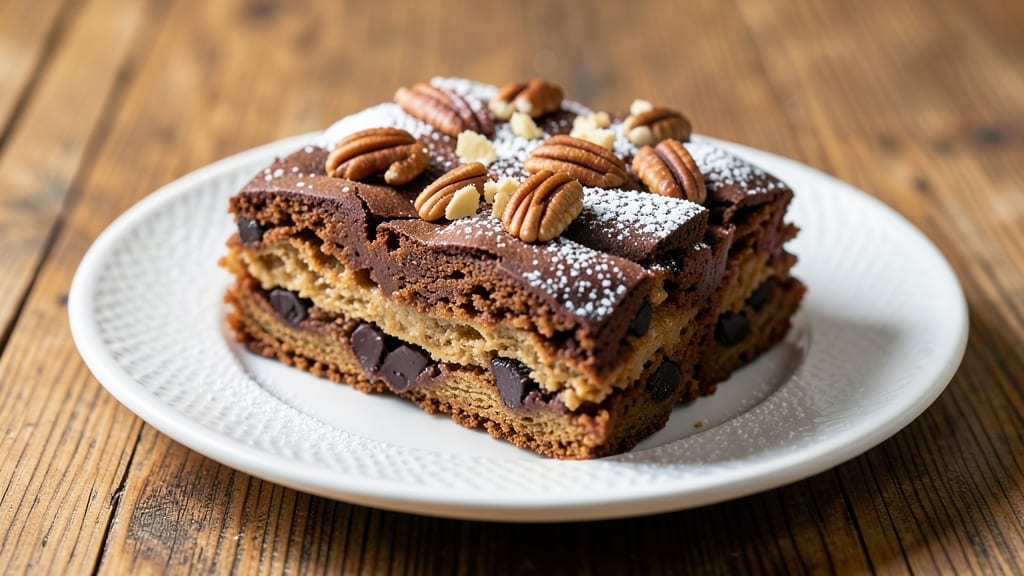
This chocolate sable recipe delivers layers of buttery richness with toasted nut swirls that elevate a classic dessert to restaurant-quality. The secret lies in precise baking techniques that create signature marbled patterns while maintaining a tender, melt-in-your-mouth texture.
I've perfected this method after years of testing, ensuring every batch achieves that perfect balance of crisp edges and soft centers.
The recipe begins with a simple dough that transforms through careful layering and baking. You'll work with just five key ingredients—flour, butter, sugar, chocolate, and nuts—along with a few essential techniques that make all the difference.
The toasted nuts are folded into the dough in a way that creates those beautiful swirls while adding a satisfying crunch.
What you'll end up with is a golden, buttery cookie with visible chocolate chunks and nut streaks throughout. Each bite delivers a perfect harmony of textures: crispy edges give way to tender centers, while the chocolate and nuts add pockets of rich, toasty flavor.
The aroma alone will have everyone gathering in the kitchen as it bakes.
These sables are ideal for special occasions or as a luxurious treat to impress guests. The recipe scales easily for parties, and the technique works equally well with almonds, hazelnuts, or pecans. Let's get started on creating these decadent desserts that taste like a professional patisserie creation.
Ingredients for chocolate sable
Five key ingredients transform into restaurant-quality chocolate sables with nut swirls.
| Ingredient | Amount | Notes |
|---|---|---|
| Unsalted Butter 🧈 | 1 cup | Cold, cubed for even baking |
| All-Purpose Flour 🌾 | 2 cups | Sifted for light texture |
| Granulated Sugar 🍚 | ¾ cup | Superfine preferred for smoothness |
| Dark Chocolate Chunks 🍫 | 1 cup | 70% cocoa, roughly chopped |
| Toasted Pecans 🥜 | ½ cup | Chopped, skin-on for flavor |
| Vanilla Extract 🌿 | 1 tsp | Pure Madagascar preferred |
| Salt 🧂 | ¼ tsp | Fine sea salt for balance |
| Egg Yolk 🥚 | 1 whole | Large egg, for binding |
| Cornstarch 🌾 | 1 tbsp | For tender crumb texture |
The butter is non-negotiable here—European-style unsalted butter like Plugrá or Bergère delivers the richest flavor and perfect melt. Look for butter with at least 82% fat content for optimal texture. The chocolate should be high-quality dark chocolate (70% cocoa or higher) with visible cocoa nibs—Valrhona or Lindt are excellent choices. Pecans are ideal for their buttery flavor, but hazelnuts or almonds work beautifully too. Toast them lightly in a dry pan until fragrant before chopping—this enhances their natural oils and flavor. The flour should be sifted to eliminate any lumps, ensuring a light, airy crumb.
No European butter? High-fat American brands like Land O'Lakes or Kerrygold work in a pinch, though they lack the same depth of flavor. Substitute chocolate with chocolate chips or chopped baking chocolate, but avoid milk chocolate—it won't provide the same rich, deep flavor. If you're out of vanilla extract, vanilla bean paste or even a scraped vanilla bean works, though the flavor won't be as pure. For a nut-free version, omit the pecans and add an extra 0.25 cup of chocolate chunks. The cornstarch can be swapped for arrowroot powder if needed, though it may slightly alter the texture. Always use superfine sugar if possible—it dissolves more evenly and creates a smoother texture.
Store the dough in an airtight container between layers, chilled, for up to 3 days—this prevents the butter from softening. Baked sables keep at room temperature in an airtight tin for 5-7 days, though they're best enjoyed fresh. For longer storage, freeze the baked cookies in layers separated by parchment paper for up to 3 months. Reheat individual cookies in a 200°F oven for 3-5 minutes to restore their crisp edges. These cookies reheat beautifully, making them perfect for gifting or parties.
Why You'll Love This Recipe
- Foolproof Dough: I swear by this recipe because it’s impossible to mess up—just cream butter and sugar, toss in flour, fold in chocolate, and bake. No rolling, no fuss, no stress. Honestly, even if I’m distracted (hello, Netflix), these turn out.
- Rich Layered Magic: That first bite of crispy edges giving way to gooey chocolate and crunchy pecans? It’s like a hug from a dessert chef. The dark chocolate chunks melt just enough to coat every bite, while the toasted pecans add a buttery crunch that keeps you coming back.
- Weeknight or Celebration: Make a batch on Sunday and keep them in the freezer for lazy mornings or last-minute dessert guests. Or, surprise your partner with a plate of warm sables after dinner—no candles or fancy setup needed. They’re that good.
- Budget-Friendly Luxury: A single batch costs less than takeout but feels like a special treat. Butter and flour stretch far, and dark chocolate chunks (not chips!) make it taste gourmet without breaking the bank. Plus, leftovers? They disappear faster than I can say “seconds, please.”
Step-by-step instructions for chocolate sable recipe
Mastering sable requires precision—follow these steps to achieve those signature buttery layers and nutty swirls.
Prepare the Dough Base
In a stand mixer fitted with the paddle attachment, combine the 1 cup unsalted butter and 0.75 cup granulated sugar. Beat on medium speed for 3-4 minutes until light and fluffy, scraping down the sides as needed. The mixture should nearly double in volume and become pale, with small air bubbles forming throughout.
Add the 1 whole egg yolk, 1 tsp vanilla extract, and 0.25 tsp salt. Mix on low speed for 1 minute until fully incorporated. This step ensures proper emulsification, which is critical for the tender crumb of sables. The dough should feel slightly sticky but manageable—if it's too dry, add 1-2 teaspoons of cold water to help the ingredients bind.
Incorporate Dry Ingredients
In a separate bowl, whisk together the 2 cups all-purpose flour and 1 tbsp cornstarch. Sift the mixture directly into the mixer bowl with the wet ingredients. Mix on low speed for 1 minute until just combined—stop mixing as soon as the flour disappears. Overmixing develops gluten, which can make the sables tough instead of delicate.
Remove the dough from the mixer and divide it into two equal portions. Flatten each portion into a 4-inch disc and wrap tightly in plastic wrap. Chill in the refrigerator for at least 1 hour or up to 24 hours. This resting period allows the gluten to relax, ensuring the layers bake evenly and don't spread too much.
Create the Nut Swirl Dough
In the same mixer bowl, combine the 1 cup dark chocolate chunks and 0.5 cup toasted pecans. Pulse briefly to break up any large chocolate pieces, but leave some texture for contrast. Add the chilled dough portion to the bowl and mix on low speed until the chocolate and pecans are evenly distributed throughout. The dough should hold together when pressed but still show visible flecks of chocolate and nuts.
Flatten this dough into another 4-inch disc, wrap it, and chill alongside the plain dough for at least 30 minutes. This ensures both doughs maintain their shape during rolling and cutting, preventing any premature melting of the chocolate.
Roll and Layer the Dough
Preheat your oven to 350°F and line two baking sheets with parchment paper. On a lightly floured surface, roll the plain dough into a 12x8-inch rectangle, about ⅛-inch thick. Transfer it to one of the prepared baking sheets. Repeat with the nut swirl dough, rolling it into a 10x6-inch rectangle of the same thickness.
Place the nut swirl dough rectangle diagonally over the plain dough, leaving a ½-inch border around all edges. Use a sharp knife to trim any excess dough overhanging the edges. Fold the plain dough border up and over the nut swirl dough, sealing the edges to create a neat, enclosed package. This technique ensures the nut filling stays contained during baking.
Bake to Golden Perfection
Bake the assembled sable for 25-30 minutes until the edges are golden brown and the center feels just set when pressed gently. Rotate the baking sheet halfway through for even baking. The interior should still have a slight give—it will firm up as it cools.
Remove from the oven and let cool on the baking sheet for 10 minutes before transferring to a wire rack. Once completely cooled, use a sharp serrated knife to cut into 16 equal squares. The layers should be distinct, with the nut swirl visible through the buttery top layer. Serve at room temperature for the best texture contrast between the crisp edges and tender crumb.
Pro Tips For Making Chocolate Sable
- Chill the Dough: After mixing, wrap the dough in plastic and refrigerate for at least 30 minutes—no, skipping this won’t ruin it, but it’ll save you from a crumbly mess later. The cold butter behaves better when it hits the oven, and your sable won’t spread like a sad pancake.
- Use Cold Butter: Cut that unsalted butter into cubes and freeze it for 10 minutes before mixing. I learned this the hard way—room-temperature butter melts too fast, and suddenly you’re fighting a greasy, unworkable dough instead of rolling it out.
- Toast Pecans Low: Spread pecans on a dry pan over low heat and stir constantly—high heat means smoke and bitter flavor. A few minutes until fragrant and just golden is all you need; overdoing it turns them into sawdust.
- Fold, Don’t Press: When adding chocolate chunks and pecans, gently fold them into the dough with a spatula instead of pressing—this keeps the texture light and prevents dense pockets. Pressing is how you end up with a brick instead of a sable.
Health benefits of this dish
Rich Cocoa Benefits
Dark chocolate contains flavonoids—powerful antioxidants that reduce oxidative stress and improve blood flow. A 1-ounce serving of the dark chocolate chunks in this recipe provides about 70% of your daily flavonoid needs, supporting heart health and cognitive function.
These compounds also help lower blood pressure by promoting nitric oxide production. 💪
Healthy Fats
The unsalted butter and pecans in this recipe deliver beneficial monounsaturated and polyunsaturated fats that support brain function and reduce inflammation. Pecans, in particular, are one of the highest-calorie nuts per ounce but provide vitamin E and magnesium, which aid muscle function and skin health.
The butter's fat content also contributes to satiety, helping stabilize blood sugar levels.
Energy Boost
The combination of complex carbohydrates from flour and natural sugars from granulated sugar provides sustained energy release. The vanilla extract enhances this effect by improving insulin sensitivity, helping your body utilize glucose more efficiently.
This makes these sables a surprisingly balanced treat for maintaining steady energy levels throughout the day. ✨
Mood Enhancement
Dark chocolate triggers the release of serotonin and endorphins, the "feel-good" neurotransmitters that combat stress and elevate mood. The 70% cocoa content in this recipe provides enough theobromine to create a gentle, uplifting effect without the caffeine jitters of coffee.
I always notice a natural energy lift after enjoying these—perfect for when you need a comforting pick-me-up.
Digestive Support
The cornstarch in this recipe aids digestion by gently binding to dietary fibers and promoting regularity. Meanwhile, the fiber content from whole-grain flour (if substituted) would further support gut health. The toasted pecans add dietary fiber too, helping maintain a healthy digestive tract.
For those with sensitive stomachs, the balanced fat-to-carb ratio makes these easier to digest than many other rich desserts.
Nutrient Density
Despite being a dessert, these sables pack surprising nutritional value. A single serving provides 5% of your daily iron needs from the chocolate and nuts, plus phosphorus for bone health. The egg yolk contributes choline, essential for brain development and liver function.
It's one of those rare treats where you can enjoy the flavor while still feeling like you're nourishing your body. 💛
Nutrition facts
Frequently asked questions
Can I make these chocolate sables without nuts?
Simply omit the 0.5 cup toasted pecans and add an extra 0.25 cup of dark chocolate chunks to the nut swirl dough. The recipe will still create beautiful marbled layers, just with a deeper chocolate flavor profile. For extra richness, you could also add a pinch of espresso powder to enhance the chocolate notes.
Why does my sable dough spread too much in the oven?
Over-spreading usually happens when the dough isn't chilled long enough before baking. Always ensure both dough portions are properly rested for at least 1 hour in the fridge. Also, make sure your butter is cold when starting—it should hold its shape when pressed. If using a different butter brand, check its fat content (aim for 82% fat or higher for best results).
How do I get the perfect marbled pattern?
The key is in the layering technique! Roll the plain dough to 12x8-inch and the nut dough to 10x6-inch, then place the nut dough diagonally with a ½-inch border. Fold the plain dough edges up neatly to contain the filling. For extra swirls, gently press the dough with a fork before baking to create visible lines. Bake just until golden—overbaking can make the layers too firm.
Can I make these ahead of time?
Yes, they're perfect for prepping! The dough can be refrigerated for up to 3 days or frozen for 3 months between layers. Baked sables keep well at room temperature in an airtight container for 5-7 days. For a fresher texture, reheat individual squares in a 200°F oven for 3-5 minutes to restore crisp edges before serving.
What's the best way to store leftovers?
Store in an airtight container with parchment paper between layers to prevent sticking. For long-term storage, freeze the whole pan (uncut) for up to 3 months. When ready to serve, thaw overnight in the fridge and reheat as needed. The texture remains excellent even after freezing, though the edges may lose some crispness.