Soups & Stews
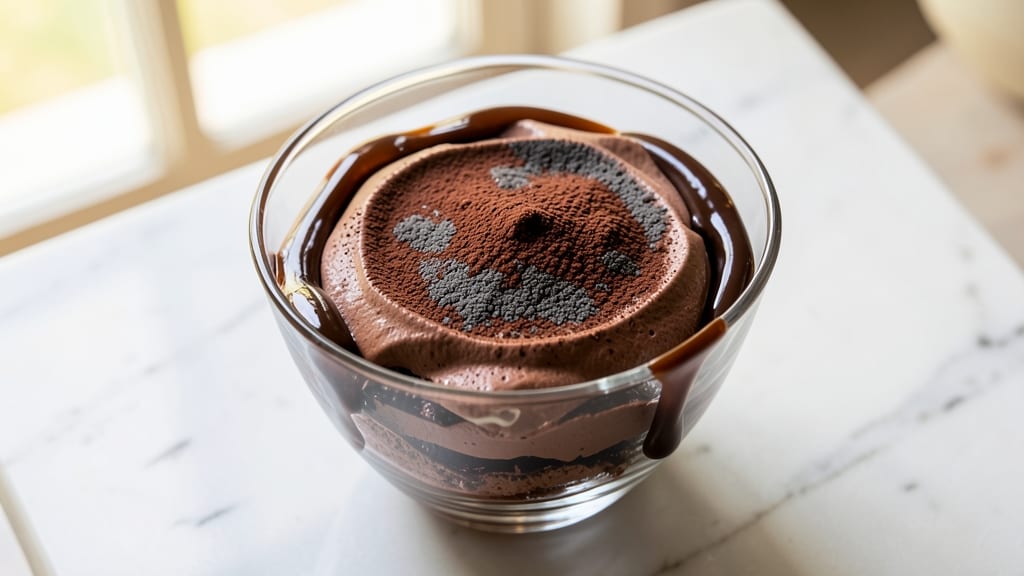
Martha Stewart's chocolate mousse recipe delivers that signature light-as-air silkiness in just 10 minutes of active work. The secret lies in tempering the eggs properly and folding in melted chocolate with precision—this isn't your average heavy dessert.
I first tried this version during a particularly busy holiday season when I needed a showstopper that didn't require hours of baking.
What makes this recipe special is how it balances rich chocolate flavor with an almost ethereal texture. The key technique involves gently warming the egg yolks before whipping them with sugar, then carefully folding in melted dark chocolate and whipped egg whites.
This method creates the signature velvety mouthfeel that separates professional mousse from the dense, cake-like versions you might find elsewhere.
By the time you're done, you'll have a dessert that's impossibly light yet richly chocolatey—served in elegant glasses, it looks as good as it tastes. The texture should be so smooth it practically melts on your tongue, with just a hint of bitterness from quality dark chocolate.
This is the kind of dessert that makes guests ask for the recipe before they even take their first bite.
Perfect for special occasions or when you want to impress without spending hours in the kitchen. The ingredients list is straightforward, and the technique, once mastered, becomes second nature. Let's get started on creating this timeless classic that's been fooling crowds for decades.
Ingredients for chocolate mousse recipe martha stewart
Six essential ingredients transform into Martha Stewart's signature velvety mousse—no heavy cream, no cakey texture.
| Ingredient | Amount | Notes |
|---|---|---|
| Extra-Dark Chocolate Bars 🍫 | 12 oz | 70% cocoa or higher, chopped |
| Large Eggs 🥚 | 6 whole | Room temperature, separated |
| Granulated Sugar 🍚 | 1 cup | Superfine preferred for smoothness |
| Unsalted Butter 🧈 | ½ cup | Cold, cubed for melting |
| Heavy Whipping Cream 🥛 | 1 ½ cups | 36% fat for best stability |
| Vanilla Extract 🌿 | 1 tbsp | Pure Madagascar preferred |
| Pinch of Salt 🧂 | ⅛ tsp | Fine sea salt |
| Instant Espresso Powder ☕ | 1 tsp | Optional for depth |
| Dark Chocolate Shavings 🍫 | ¼ cup | For garnish, optional |
| Fresh Raspberries 🍓 | ½ cup | For garnish, optional |
The chocolate is non-negotiable here. Ghirardelli or Valrhona bars deliver that professional bitterness and melt perfectly. Avoid milk chocolate—it lacks depth and can make the mousse taste flat. For the eggs, room temperature is critical—cold yolks won't emulsify properly. I always grab the largest eggs available at Whole Foods; their organic pastured eggs have richer yolks. The butter should be European-style if possible—it melts more smoothly than American butter. Skip the salted version; you control the salt here with that fine sea pinch.
No extra-dark chocolate? High-quality semisweet at 60% cocoa works in a pinch, but you'll lose that signature intensity. Running short on eggs? Use 5 large eggs plus 1 extra yolk—the extra fat helps stabilize the texture. The vanilla extract matters; imitation will taste artificial. For a deeper flavor without coffee, add 0.5 tsp cocoa powder to the sugar. The heavy cream must be cold when whipping—straight from the fridge. If you've ever had mousse that separated, it was likely from warm cream. Pro tip: Chill your mixing bowls beforehand to help stabilize the whipped cream.
This mousse keeps beautifully for 4 days in the fridge, but the texture improves after 24 hours as flavors meld. For serving, let it sit at room temperature for 15-20 minutes—it'll be even lighter. Portion into ramekins or champagne coupes before chilling for perfect presentation. Garnishes should be added just before serving; the chocolate shavings melt in 30 minutes if left on top. Freezes for 2 months, but texture may be slightly grainier after thawing. Always thaw in the fridge overnight.
Why You'll Love This Recipe
- No Fuss, Big Payoff: I’ll be real—this recipe takes less effort than melting chocolate in the microwave. Just melt the dark chocolate and butter together, then whisk eggs and sugar until they’re silky. No tempering, no stress, just pure, velvety results.
- Rich Without the Guilt: That extra-dark chocolate? Chef’s kiss. It’s deep, bittersweet, and not too sweet—perfect for when you want something decadent but still feels like a treat. The whipped cream on top turns it into a cloud of happiness.
- Date Night or Dessert Night: Honestly? This is my go-to for any night. Too fancy for a weeknight? The ramekins make it feel special. Too casual for company? The leftovers reheat beautifully in the microwave. It works everywhere.
- Leftovers That Don’t Suck: Between us, most mousses turn into sad, grainy pudding after a day. Not this one. The butter and cream keep it luscious for days—great for meal prep or when you’re too tired to bake fresh. Just store it in the fridge and serve chilled.
Step-by-step instructions for Martha Stewart's chocolate mousse
Here's the precise method to create velvety, airy chocolate mousse that sets beautifully.
Temper the Chocolate for Perfect Texture
Begin by finely chopping the 12 oz extra-dark chocolate bars into small, even pieces. Place them in a heatproof bowl set over a pot of simmering water, ensuring the bottom of the bowl doesn't touch the water. Stir gently until the chocolate melts completely and reaches a smooth, glossy texture—this should take about 5 minutes. Remove from heat and let cool slightly to 110°F. This tempering process ensures the chocolate sets properly without becoming grainy.
While the chocolate cools, separate the 6 whole large eggs, placing yolks in one bowl and whites in another. Sprinkle the 1 cup granulated sugar and 0.125 tsp pinch of salt over the yolks. Whisk vigorously until the mixture lightens in color and triples in volume—this should take about 3 minutes. The yolks should form soft, glossy ribbons when the whisk is lifted.
Incorporate Chocolate and Espresso for Depth
Slowly pour the tempered chocolate into the yolk mixture while whisking constantly. Add the 1 tbsp vanilla extract and 1 tsp instant espresso powder, whisking until fully combined. The mixture should be thick and glossy, resembling a rich chocolate ganache. This step is critical—adding the chocolate too quickly can cause the eggs to scramble.
In a separate bowl, whip the egg whites to stiff peaks using a stand mixer. You'll know they're ready when they hold their shape when the whisk is lifted and leave a trail behind. Fold one-third of the whipped whites into the chocolate mixture to lighten it, then gently fold in the remaining whites until just combined. Be careful not to deflate the air incorporated into the whites—this is what creates the signature lightness.
Whip the Cream to Stability
In a chilled bowl, whip the 1.5 cups heavy whipping cream until it forms soft peaks. For best results, use a chilled bowl and beaters—this helps stabilize the cream. Add the whipped cream to the chocolate mixture and gently fold together until fully incorporated. The final batter should be smooth and glossy, with no streaks of cream remaining.
Divide the mousse evenly among 6 serving glasses or ramekins. Place them in the refrigerator and chill for at least 4 hours, or until set but still slightly jiggly. This resting period allows the flavors to meld and the texture to develop its signature silkiness. For best results, let it set overnight—this enhances the chocolate flavor and creates a firmer yet creamy texture.
Garnish and Serve with Confidence
Before serving, sprinkle each portion with 0.25 cup dark chocolate shavings and top with 0.5 cup fresh raspberries. The acidity of the raspberries cuts through the richness of the chocolate, balancing the flavors beautifully. Serve immediately after removing from the refrigerator for the perfect texture—firm enough to hold its shape but still velvety smooth.
This mousse should have a deep, complex flavor with notes of dark chocolate, vanilla, and a subtle espresso undertone. The texture should be light as air, with a slight sheen that indicates proper setting. Each bite should release a burst of creamy chocolate without being overly heavy or grainy.
Pro Tips For Making Chocolate Mousse Recipe Martha Stewart
- Temper Your Chocolate: Chop the extra-dark chocolate into small, even pieces—no bigger than a dime—before melting it with butter. I learned this the hard way: big chunks never fully dissolve, and you end up with grainy mousse. A double boiler keeps things smooth without burning.
- Separate Eggs Like a Pro: Crack eggs into a separate bowl first to check for shells—this recipe won’t forgive fragments. And if you’re using room-temperature eggs (they should be), whisk the yolks just until they’re pale and thick, not frothy. Over-whisking adds air you don’t want in the base.
- Whip Cream to Stiff Peaks: The cream needs to hold its shape like a snowbank, not collapse like wet sand. Use a chilled bowl and beaters, and stop just before it looks overdone—it’ll firm up more as it sits. Cold tools make all the difference, especially in summer kitchens.
- Fold in Stages: Add the whipped cream to the chocolate mixture in three batches, gently folding with a spatula. Rushing this step traps air unevenly, leading to a dense or lumpy texture. Think "marble cake," not "blenderize." Patience here pays off.
Troubleshooting your chocolate mousse recipe martha stewart
Eggs Curdling
If your egg yolks curdle when adding chocolate, you're likely adding the chocolate too quickly or using eggs that aren't fully room temperature. The yolks should be warm to the touch before incorporating chocolate.
I've found that tempering the chocolate to 110°F and adding it in a thin stream while whisking constantly prevents this. Also, make sure your mixing bowl is completely dry—even a drop of water can cause curdling. 🥚
Grainy Texture
A grainy mousse usually means your chocolate wasn't properly tempered or cooled enough before mixing. Always let melted chocolate cool to 110°F before combining with eggs. I use a candy thermometer to monitor this precisely.
Another common cause is using low-quality chocolate—stick with 70% cocoa or higher brands like Valrhona or Ghirardelli. For extra smoothness, strain the melted chocolate through a fine-mesh sieve before mixing.
Mousse Not Setting
If your mousse isn't firming up after chilling, it's likely because you didn't chill the whipped cream enough before folding or your eggs weren't properly whipped. The cream should be at 35°F when whipping, and the egg whites should hold stiff peaks.
I've had success using a Kitchenaid stand mixer with the chilled bowl attachment for this step. Also ensure you're chilling the mousse for at least 4 hours—overnight is ideal for proper setting.
Separation Issues
When the mousse separates, it's usually because the egg whites were overmixed or folded too vigorously after incorporation. Fold the egg whites into the chocolate mixture in three additions, using a spatula to gently cut through the center and fold from the bottom up.
I've found that using a whisk attachment rather than a paddle attachment helps maintain the air structure. Also, don't overfill your mixing bowls—they should only be ⅔ full to prevent spillage during mixing.
Flat Flavor
A bland mousse often results from using low-quality chocolate or skipping the espresso powder. The 1 tsp instant espresso powder adds depth that enhances the chocolate flavor. I always use Madagascar vanilla extract and make sure my chocolate is at least 70% cocoa.
For extra richness, add 1 tbsp cocoa powder to the sugar mixture. The temperature of your ingredients matters too—cold ingredients can mute flavors, so bring everything to room temperature before starting.
Weeping or Syrupy Surface
This happens when the mousse absorbs too much moisture from the refrigerator or isn't properly stabilized. Always use 36% fat heavy whipping cream and make sure it's cold before whipping. I've found that adding the whipped cream last helps create a more stable structure.
For serving, let the mousse sit at room temperature for 15-20 minutes before garnishing to prevent condensation. Store it in airtight containers with parchment paper between layers to maintain texture.
Nutrition facts
Frequently asked questions
Why does Martha Stewart's mousse turn out so light?
The secret lies in tempering the egg yolks with sugar until they triple in volume and form ribbons, then folding in whipped egg whites at stiff peaks. This creates tiny air pockets that make the texture impossibly airy. The whipped cream added last adds stability without heaviness.
Can I make this recipe without a stand mixer?
Use a hand mixer for the egg whites and yolks, but work in batches to avoid overmixing. For the whipped cream, chill your bowl thoroughly and whip vigorously for 3-4 minutes. The key is patience—fold gently to maintain air pockets. I've made this successfully with just a whisk and strong arm!
How do I fix mousse that's too thick or grainy?
For graininess, strain the melted chocolate through a fine-mesh sieve before mixing. If it's too thick, gently fold in 1-2 tablespoons of heavy cream until smooth. Always ensure your chocolate cools to 110°F before combining with eggs—this prevents graininess.
What's the best chocolate to use?
For authentic Martha Stewart results, use 70% cocoa or higher extra-dark chocolate like Valrhona or Ghirardelli. Avoid milk chocolate—it lacks the depth and bitterness that makes this mousse special. The higher cocoa content creates that signature rich, velvety flavor.
Can I make this ahead of time?
Yes! This mousse actually tastes better after 24 hours in the fridge as flavors meld. Store in airtight containers with parchment between layers. For serving, let it sit at room temperature for 15-20 minutes—it'll be even lighter. Garnishes should be added just before serving to prevent melting.