
Desserts
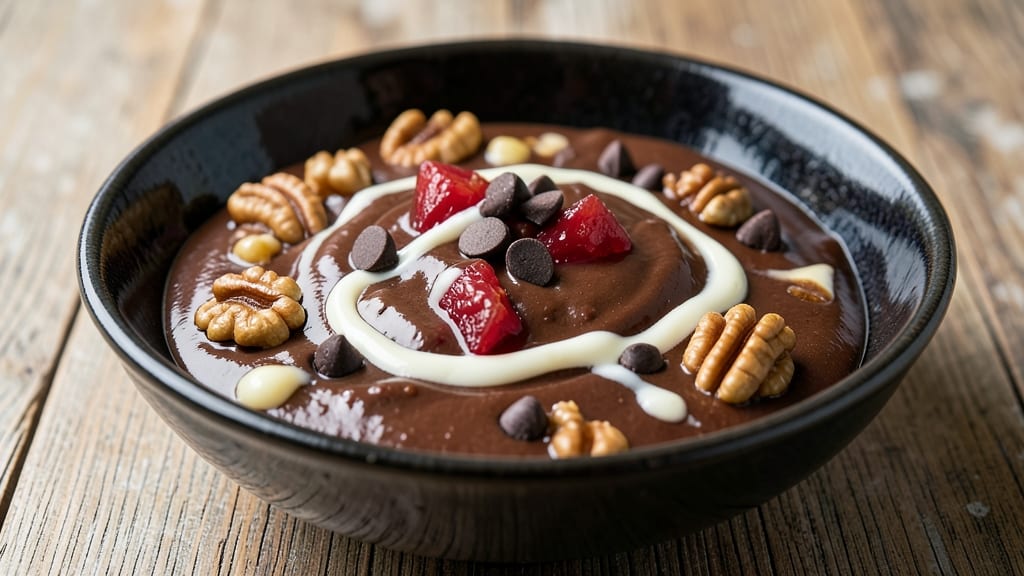
The chocolate caje recipe merges tropical fruit with rich cocoa into decadent coconut-pecan swirls with ultra-fudgy layers—each bite delivers a perfect balance of tart, sweet, and nutty flavors.
This dessert transforms the unique pulp of Spondias mombin (caje) into a velvety base that pairs beautifully with dark chocolate and toasted pecans, creating a texture that's both creamy and satisfyingly dense.
What sets this recipe apart is the careful extraction of caje pulp, which adds a subtle tangy depth that elevates the chocolate rather than overpowering it. The coconut-pecan swirls cut through the fudgy layers, offering a delightful contrast in every spoonful.
This dessert is perfect for special occasions or when you want to impress guests with a dessert that feels both luxurious and approachable.
The process begins with puréeing fresh caje fruit to create a smooth, aromatic base, which is then combined with melted chocolate and coconut cream to form the signature swirls. The result is a dessert that's rich enough to feel indulgent but balanced by the bright, tropical notes of the caje.
Each layer is carefully constructed to ensure a harmonious blend of flavors and textures.
Whether served warm with a scoop of vanilla ice cream or chilled for a refreshing treat, this chocolate caje dessert is a showstopper that highlights the beauty of tropical ingredients. Let’s bring this unique fusion dessert to life in your kitchen.
Ingredients for chocolate caje
Tropical fruit meets decadent chocolate in this luxurious fusion dessert.
| Ingredient | Amount | Notes |
|---|---|---|
| Fresh Caje Fruit Pulp 🍈 | 1 ½ cups | Puréed, seeds removed |
| Dark Chocolate Chips 🍫 | 12 oz | 70% cocoa or higher |
| Coconut Cream 🥥 | 13 ½ oz | Full-fat, chilled overnight |
| Pecans 🌰 | 1 ½ cups | Toasted, roughly chopped |
| Unsalted Butter 🧈 | 1 cup | Cold, cubed for layers |
| Granulated Sugar 🍚 | 1 ½ cups | Superfine preferred |
| Large Eggs 🥚 | 4 whole | Room temperature |
| All-Purpose Flour 🌾 | 1 ½ cups | Sifted for smooth batter |
| Vanilla Extract 🌿 | 2 tsp | Pure Madagascar preferred |
| Sea Salt 🧂 | ½ tsp | Fine grain for balance |
| Heavy Cream 🥛 | 1 cup | 35% fat for richness |
| Lemon Zest 🍋 | 1 tbsp | Fresh, finely grated |
| Coconut Flakes 🥥 | ½ cup | Toasted for garnish |
The caje pulp is the heart of this recipe. Fresh fruit is ideal, but high-quality frozen pulp works in a pinch—look for brands like Tropical Fruit Co. or Trader Joe's for reliable frozen options. For the chocolate, Valrhona or Callebaut brands deliver superior depth, but Ghirardelli 70% bars are a budget-friendly alternative. The coconut cream must be full-fat and chilled overnight to separate properly—Thai Kitchen brand is widely available and performs well. Toast your pecans in a dry skillet until fragrant, then chop them while still warm for maximum aroma.
No fresh caje pulp? Mango purée with a splash of lime juice mimics the tartness, though it lacks the unique depth. Substitute dark chocolate with 60% bittersweet bars if needed, but expect a milder flavor. For the coconut cream, full-fat coconut milk can replace half the amount, though texture will differ slightly. The butter must be cold—European-style brands like Plugrá stay firm longer. If you lack vanilla extract, 1 vanilla bean scraped provides superior flavor. The lemon zest brightens the tropical notes—Mexican limes offer a more intense citrus punch than standard lemons.
Store the caje pulp in an airtight container with a thin layer of coconut cream on top to preserve freshness for up to 5 days in the fridge. The chocolate mixture keeps for 3 days if refrigerated, though texture may firm up—reheat gently before serving. For make-ahead desserts, assemble the layers up to 24 hours in advance and refrigerate. The toasted coconut flakes should be stored in a sealed container at room temperature for up to 2 weeks to maintain crispness.
Why You'll Love This Recipe
- Same recipe, two vibes: drizzle over ice cream for a lazy Tuesday dessert, or serve in little ramekins for your next dinner party. The leftovers? Even better the next day—cold or warm, it’s always a hit. (Yes, even with my picky teenager.)
- No Blender Needed: The caje pulp is so thick and smooth—just stir it into the simmering butter and coconut cream. No pulsing, no straining, no mess. Honestly, I’ve made this with a spoon and a whisk, and it’s still perfect.
- Tropical Chocolate Magic: That first bite? Rich dark chocolate meets tangy caje pulp like a hug from a sunlit orchard. The pecans add crunch, but the real star is how the coconut cream ties it all together—creamy, not greasy, with just enough sweetness to make you pause mid-bite.
- Weeknight or WOW Moment: Same recipe, two vibes: drizzle over ice cream for a lazy Tuesday dessert, or serve in little ramekins for your next dinner party. The leftovers? Even better the next day—cold or warm, it’s always a hit. (Yes, even with my picky teenager.)
Step-by-step instructions for chocolate caje recipe
Master this tropical fusion dessert with precise technique and rich layering.
Prepare the Caje Fruit Base
In a medium saucepan, combine the 1.5 cups fresh caje fruit pulp with 1.5 cups granulated sugar and 1 tbsp lemon zest. Bring to a gentle simmer over medium heat and cook for 10-12 minutes until the mixture thickens to a syrupy consistency—it should coat the back of a spoon when you lift it. Stir occasionally to prevent scorching, and watch for a slight caramelization on the edges.
Remove from heat and press the mixture through a fine-mesh sieve to eliminate any remaining seeds or fibrous texture. Return the strained pulp to the saucepan and stir in 2 tsp vanilla extract. Let it cool to room temperature while you prepare the chocolate layers. This base should have a vibrant orange hue and a balance of sweet-tart flavor that complements the richness of the chocolate.
Create the Chocolate-Pecan Swirl Layers
In a separate heatproof bowl, melt the 12 oz dark chocolate chips and 1 cup unsalted butter together over a pot of simmering water, ensuring the bowl doesn't touch the water. Once fully melted and smooth, remove from heat and whisk in 1 cup heavy cream until the mixture reaches a glossy, pourable consistency. Stir in 1.5 cups toasted, roughly chopped pecans and set aside.
In a large mixing bowl, combine 4 whole large eggs, 0.5 tsp sea salt, and 1.5 cups all-purpose flour. Whisk until just combined—avoid overmixing to maintain a tender crumb. Gently fold in the melted chocolate mixture in thirds, being careful not to deflate the batter. The final batter should have a thick, fudgy texture with visible chocolate flecks and pecan pieces evenly distributed.
Build the Layered Cake Structure
Preheat your oven to 350°F and grease a 9-inch round cake pan with nonstick spray. Pour half of the batter into the prepared pan and spread evenly. Dollop spoonfuls of the chocolate-pecan mixture across the surface, then use a knife to swirl it gently through the batter, creating marbled patterns. Repeat with the remaining batter and chocolate mixture, pressing down lightly to ensure even distribution.
Bake for 35-40 minutes or until a toothpick inserted into the center emerges with only a few moist crumbs. The edges should be set but still slightly springy to the touch. Let the cake cool in the pan for 10 minutes before transferring to a wire rack to cool completely. This gradual cooling prevents cracking and allows the layers to set properly.
Add the Coconut Cream Topping
In a chilled mixing bowl, whip the 13.5 oz coconut cream (previously chilled overnight) until it forms soft peaks. Fold in 0.5 cup toasted coconut flakes and spread this mixture evenly over the cooled cake. The coconut cream should create a light, airy layer that contrasts with the dense, fudgy cake beneath.
For presentation, chill the cake for at least 2 hours before serving to allow the coconut cream to set slightly. Garnish with additional toasted coconut flakes and serve in slices. Each bite should deliver a harmonious blend of tropical caje fruit, rich dark chocolate, and buttery pecans, with the coconut cream adding a refreshing finish.
Pro Tips For Making Chocolate Caje
- STRAIN THE PULP: Fresh caje pulp is fibrous—blend it, then strain through a fine-mesh sieve or cheesecloth to remove every last bit of stringiness. I learned this the hard way after serving a batch with gritty texture; trust me, your mouth will notice the difference.
- TEMPER THE CHOCOLATE: Melt the dark chocolate chips with the coconut cream over low heat, then remove from heat once it reaches 110°F (43°C)—just until smooth. If you let it boil, the chocolate seizes and turns grainy, ruining the whole dish. A candy thermometer makes this foolproof.
- TOAST PECANS FAST: Skip the oven—dry-toast pecans in a skillet over medium heat for 3-4 minutes, stirring constantly, until they’re fragrant and just golden. This cuts down on time and keeps them from burning while adding depth of flavor that raw pecans can’t match.
- SWEAT THE BUTTER FIRST: Melt the unsalted butter in your pan before adding anything else—this coats the bottom and prevents the caje pulp from sticking like glue. I used to rush this, and my first batch stuck so badly I nearly scrubbed the pan clean. Two minutes of patience saves minutes of scrubbing later.
Regional styles of this dish
Caribbean Fusion Twist
The Caribbean takes caje fruit seriously, often blending it with rum and spices to create a boozy, tropical twist on chocolate desserts. In Puerto Rico, I’ve seen a version where the caje pulp is simmered with ½ cup dark rum and 1 cinnamon stick before combining with chocolate.
Add 1 tsp ground nutmeg to the batter for warmth—this version pairs beautifully with a scoop of coconut rum ice cream. 🌴
Mexican Mole-Inspired Layer
Mexican dessert traditions often incorporate caje into rich, spiced chocolate layers. For a bold twist, fold 2 tbsp mole paste (like Annie’s brand) into the chocolate-pecan mixture before swirling.
Top with toasted pepitas instead of coconut flakes for a nutty, earthy contrast. Serve with a dusting of chili powder for a sweet-spicy kick that balances the dessert’s richness.
Brazilian Brigadeiro Adaptation
In Brazil, caje is sometimes used in brigadeiro truffles—a chocolatey, fudgy treat rolled in sprinkles. Replace half the chocolate with caje pulp purée, then roll the mixture into 1-inch balls and coat with crushed pecans and toasted coconut flakes.
Chill for 2 hours to set. These bite-sized treats are perfect for parties and require no baking—just assembly. 💛
Spanish Churros Fusion
For a savory-sweet hybrid, drizzle warm caje-chocolate sauce over crispy churros dusted with cinnamon sugar. The caje’s tartness cuts through the fried dough’s richness, while the chocolate adds depth.
Use Pillsbury refrigerated churro dough for convenience or make homemade with 2 cups flour, 1 tsp baking powder, and ¼ tsp salt. Fry in 350°F oil until golden and serve immediately with the sauce.
Thai-Inspired Coconut Mousse
Thai cuisine often balances sweet and sour flavors—this version swaps the cake for a caje-chocolate mousse topped with a coconut cream layer. Whip 8 oz cream cheese with ½ cup caje pulp and 4 oz melted dark chocolate, then fold in ½ cup whipped coconut cream.
Layer in glasses with toasted coconut flakes and serve with a sprinkle of kaffir lime zest for a fragrant, tropical finish. ✨
Nutrition facts
Frequently asked questions
Can I substitute fresh caje pulp with canned or frozen fruit?
Fresh caje pulp works best for authentic flavor, but you can use high-quality frozen caje pulp or even mango purée with lime juice as a substitute. Look for brands like Tropical Fruit Co. or Trader Joe's for frozen caje. If using mango, add 1 extra teaspoon of lime juice to mimic the tartness. The texture may vary slightly, but the flavor will still shine in the dessert.
Why does my chocolate caje dessert taste too bitter?
Overusing dark chocolate (especially 85% cocoa or higher) or skipping the caje pulp reduction can make the dessert taste bitter. Balance the richness by adding 1 extra tablespoon of vanilla extract or ½ teaspoon of cinnamon to the batter. Also, ensure your caje pulp is fully cooked and strained to remove any fibrous bits that could overpower the sweetness.
How can I make this dessert nut-free?
Replace the pecans with toasted coconut flakes or crushed pretzels for a salty contrast. For texture, fold in ½ cup white chocolate chunks instead of pecans. The coconut cream topping will still provide a tropical vibe without nuts. Always check labels on chocolate and coconut cream to ensure they're nut-free.
Can I prepare this dessert ahead of time?
Yes! Assemble the cake layers up to 24 hours in advance and refrigerate. The coconut cream topping should be added 2 hours before serving to allow it to set slightly. Store any leftover cake in an airtight container for up to 3 days in the fridge. The flavors actually improve overnight as the caje pulp and chocolate meld together.
What’s the best way to serve this dessert?
Serve slices at room temperature for the best texture contrast—warm cake with cool coconut cream is ideal. Pair with a scoop of vanilla ice cream or a drizzle of caramel sauce for extra decadence. For a tropical touch, garnish with toasted coconut flakes and a sprinkle of sea salt before serving. This dessert works beautifully for celebrations or as an impressive dessert for dinner guests.