
Desserts
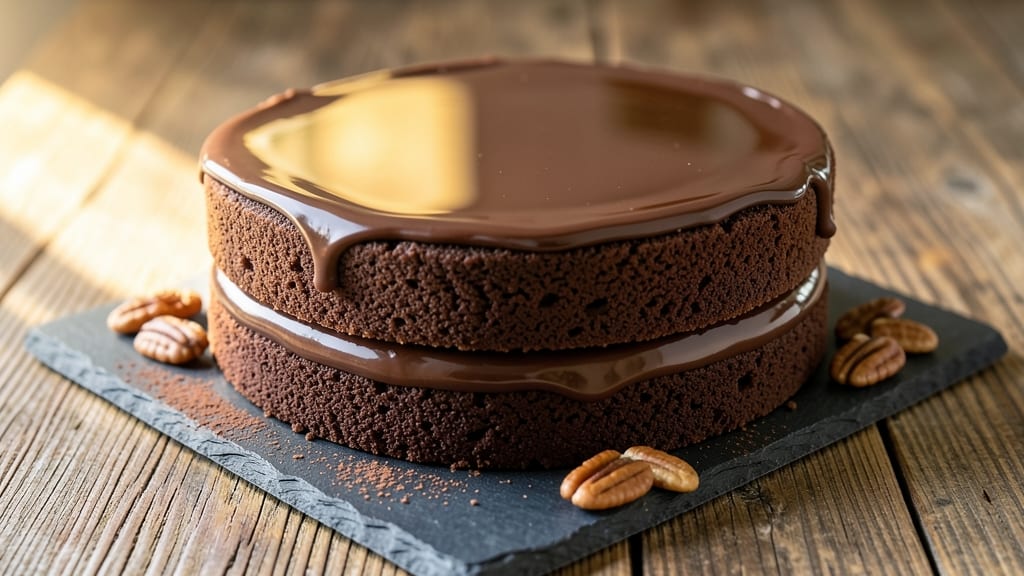
Creating a basic chocolate fudge cake that stays moist for days is all about balancing rich cocoa with a subtle vanilla boost that elevates every slice. This recipe delivers perfectly tender layers with a fudgy texture that melts in your mouth—no dry crumbs here.
The secret lies in precise ingredient ratios and a gentle baking approach that preserves moisture while developing deep chocolate flavor.
What sets this cake apart is the ultra-moist technique that begins with buttermilk and brown sugar, which creates a tender crumb while preventing dryness. A touch of vanilla extract enhances the chocolate notes without overpowering them, creating a complex flavor profile that feels both classic and refined.
The recipe uses standard pantry ingredients, making it accessible for beginners while still delivering professional results.
By the time you pull this cake from the oven, you'll have rich, velvety layers with a glossy sheen that signals perfect moisture. The aroma alone will have everyone gathering around the kitchen, and each bite delivers that signature fudgy texture with just the right balance of sweetness and depth.
This is the kind of cake that disappears quickly—so expect to make it again.
Serve it warm with vanilla ice cream or dusted with cocoa powder for an elegant finish. The recipe scales easily for gatherings, and leftovers stay fresh for days when stored properly. Let’s get baking—this cake is worth every minute of preparation.
Ingredients for basic chocolate fudge cake
Rich cocoa, velvety texture, and a whisper of vanilla—this cake’s magic starts with precise ratios.
| Ingredient | Amount | Notes |
|---|---|---|
| Unsalted Butter 🧈 | 1 cup | Cold, cubed for proper creaming |
| Granulated Sugar 🍚 | 1 ½ cups | Standard white sugar preferred |
| Light Brown Sugar 🍚 | ½ cup | Packed, for moisture retention |
| Natural Vanilla Extract 🍯 | 1 ½ tbsp | Pure Madagascar preferred |
| Large Eggs 🥚 | 2 whole | Room temperature for even mixing |
| Buttermilk 🥛 | 1 cup | Fresh, not powdered |
| All-Purpose Flour 🌾 | 1 ¾ cups | Sifted for light texture |
| Dutch-Processed Cocoa Powder 🍫 | ½ cup | High-quality brand recommended |
| Baking Powder 🍞 | 1 ½ tsp | Freshly opened package |
| Diamond Crystal Kosher Salt 🧂 | ½ tsp | Fine grain preferred |
| Distilled White Vinegar 🍶 | 1 tbsp | For buttermilk substitute |
| Milk 🥛 | ¼ cup | Whole milk for richness |
| Vegetable Oil 🫒 | ¼ cup | Light, neutral flavor |
| Cocoa Powder 🍫 | ¼ cup | For dusting layers |
The cocoa powder is non-negotiable—Dutch-processed brands like Valrhona or Callebaut deliver the deepest chocolate flavor without bitterness. For the brown sugar, pack it firmly into the measuring cup to ensure proper moisture retention. The butter should be cold when creamed with sugars; this creates air pockets for a tender crumb. Land O’Lakes unsalted butter works perfectly, but European-style butter with higher fat content yields even richer results. Vanilla extract quality matters too—Madagascar bourbon vanilla adds complexity that artificial extracts can’t replicate.
No buttermilk? Mix 1 tablespoon white vinegar with 1 cup whole milk and let sit for 5 minutes. Substituting flour? King Arthur or Gold Medal all-purpose are ideal, but cake flour would require adjusting leavening. For a lighter texture, replace 2 tablespoons of all-purpose flour with cornstarch. The cocoa powder can be swapped for melted dark chocolate (6 oz), but this alters the cake’s structure. Ensure all dry ingredients are sifted to prevent dense layers. The vegetable oil adds moisture without altering flavor—Crisco or light olive oil both work well.
Store wrapped tightly in parchment paper at room temperature for 3 days to maintain freshness. For longer storage, refrigerate for up to 1 week or freeze for 3 months. The cake’s moisture content makes it ideal for layering with whipped cream or ice cream. To prevent drying, cover with a damp towel if serving at room temperature for extended periods. The vanilla flavor intensifies slightly after 24 hours, making this cake even more delicious the next day.
Why You'll Love This Recipe
- Fewer Steps, Same Magic: I swear, this cake comes together in one bowl—no fancy mixing, no extra pans. Just melt butter with sugars until it’s glossy, fold in eggs and vanilla, then bake. That’s it. (Yes, even on a Tuesday night.)
- Rich Without the Fuss: The brown sugar gives it that deep, caramelized fudge flavor, while the vanilla cuts through the richness just enough. It’s not overly sweet, not too dense—just ridiculously good with every bite.
- Leftovers? No Problem: This cake keeps beautifully for days, and honestly? It’s even better the next day. Slice it for breakfast toast, pack it in lunches, or freeze slices for a quick dessert. My go-to for when I need something effortless.
- Pantry Staples Only: You’re using butter, sugar, eggs, and vanilla—ingredients you already own. No specialty items, no last-minute grocery runs. Between us, this is the kind of recipe that makes baking feel like less of a chore.
Step-by-step instructions for ultra-moist chocolate fudge cake
Mastering this cake requires precision—each ingredient plays a role in delivering that signature moist texture and rich chocolate flavor.
Cream Butter and Sugars for Maximum Moisture
In a stand mixer fitted with the paddle attachment, beat the 1 cup unsalted butter (cold and cubed) with the 1.5 cups granulated sugar and 0.5 cup light brown sugar on medium speed for 3-4 minutes. The mixture should become pale, fluffy, and nearly double in volume. This creaming process incorporates air, which creates a lighter texture while the brown sugar adds moisture retention.
I press down on the butter mixture occasionally to ensure all the sugar crystals are fully incorporated. The light brown sugar's molasses content will contribute to that deep, caramelized flavor we want in the finished cake. Stop beating when the mixture looks smooth and thick—overmixing here can lead to a dense crumb.
Incorporate Eggs and Vanilla for Structure and Flavor
Add the 2 whole large eggs (room temperature) one at a time, mixing on low speed for 30 seconds after each addition until fully combined. Then add the 1.5 tablespoons natural vanilla extract and mix for another 10 seconds. The eggs provide structure while the vanilla extract enhances the chocolate flavor with its subtle complexity.
This is where the secret boost happens. The vanilla extract not only adds aroma but also helps balance the richness of the chocolate. I like to use pure Madagascar vanilla for its deep, floral notes—it makes all the difference in a chocolate cake. Make sure the eggs are fully incorporated before moving to the next step to prevent a dense texture.
Combine Wet Ingredients for Perfect Texture
In a separate bowl, whisk together the 1 cup buttermilk, 0.25 cup milk, 0.25 cup vegetable oil, and 1 tablespoon distilled white vinegar. The vinegar reacts with the buttermilk to create a tangy, thick liquid that mimics fresh buttermilk's behavior. This combination ensures the cake remains ultra-moist without being overly dense.
Gradually pour this wet mixture into the butter-sugar mixture while mixing on low speed. Scrape down the sides of the bowl as needed to ensure even distribution. The buttermilk and milk provide moisture, while the oil creates a tender crumb. This step is critical for achieving that signature fudge-like texture without making the cake too heavy.
Sift and Fold Dry Ingredients for Lightness
In another bowl, sift together the 1.75 cups all-purpose flour, 0.5 cup Dutch-processed cocoa powder, 1.5 teaspoons baking powder, and 0.5 teaspoon diamond crystal kosher salt. Sifting aerates the dry ingredients, which helps create a lighter cake. The cocoa powder provides the deep chocolate flavor, while the baking powder ensures a good rise.
With the mixer on low speed, gradually add the dry ingredients to the wet mixture. Mix just until combined—you should still see small streaks of flour. Overmixing develops gluten, which can make the cake tough. The goal here is to distribute the dry ingredients evenly without overworking the batter. The result should be a smooth, thick batter that holds its shape when dropped from a spoon.
Layer and Dust for Professional Results
Divide the batter evenly between two 8-inch round cake pans lined with parchment paper. Dust the top of each layer with 0.25 cup cocoa powder to create that signature fudge appearance and add an extra layer of chocolate flavor. Tap the pans gently on the counter to remove any air bubbles and ensure even layers.
Bake at 350°F (175°C) for 25-30 minutes, or until a toothpick inserted into the center comes out clean. The cake should spring back slightly when pressed in the center. Let the cakes cool in the pans for 10 minutes, then transfer to a wire rack to cool completely. This cooling step is essential for even slicing and assembling later.
Pro Tips For Making Basic Chocolate Fudge Cake
- Cream Butter Slowly: I used to dump cold butter into the sugar and wonder why my batter stayed lumpy. Instead, cut the butter into small cubes first, then mix it into the sugars on medium-low speed—this melts it faster and creates a smoother base. (Yes, even if you're impatient like me, resist the urge to rush it.)
- Whisk Eggs First: Crack those eggs into a separate bowl, whisk them like you mean it, then pour them into the batter in one go. This keeps the yolks from breaking and the whites from overmixing, which can make your cake dense. I learned this the hard way after a batch turned out like a brick.
- Skip Overbaking: The moment the edges pull away from the pan and a toothpick comes out with moist crumbs (not wet batter, not dry cake), pull it out. Overbaking dries out the fudge flavor and turns it into a sad, crackly mess. If you're nervous, set a timer for the minimum baking time listed and check early.
- Swap Vanilla for Extract: That vanilla paste in the jar? Skip it. It adds weird moisture and can make your cake gummy. Use pure vanilla extract—it’s cheaper, more flavorful, and won’t alter the texture. (And if you’re feeling fancy, split the difference: use half the extract and a tiny pinch of vanilla bean powder scraped from a pod.)
Wine and beer pairings for this recipe
Rich Red Wine Pairings
The deep, velvety chocolate notes in this fudge cake pair beautifully with bold red wines that complement its richness without overpowering. I recommend a Cabernet Sauvignon from Napa Valley—its dark fruit flavors and subtle oak notes mirror the cake’s chocolate depth while adding a touch of sophistication.
The tannins in the wine also help cleanse your palate between bites, making each slice feel fresh. 🍷
For a lighter but equally delicious option, try a Pinot Noir from Oregon’s Willamette Valley. Its bright acidity and red fruit undertones create a perfect contrast to the cake’s fudgy texture, while still enhancing the chocolate experience.
A glass of Syrah from Washington State also works wonderfully, especially if you prefer a wine with a hint of spice to complement the vanilla in the cake.
Sweet Dessert Wines
If you prefer something sweeter, a Port wine like a Ruby Port or Tawny Port is an excellent choice. The caramel and dried fruit notes in the wine enhance the cake’s brown sugar and cocoa flavors, creating a harmonious pairing that feels luxurious.
Serve it slightly chilled to let the wine’s sweetness shine alongside the cake’s richness. 🍷
For a more elegant touch, consider a Moscato d’Asti—its light effervescence and floral notes cut through the cake’s density while adding a refreshing contrast. The slight sweetness of the wine balances the chocolate’s bitterness, making each bite feel balanced and indulgent.
Craft Beer Pairings
If wine isn’t your preference, a dark stout like Guinness or Samuel Adams Black Lager brings deep malt and roasted coffee notes that pair surprisingly well with chocolate. The creamy texture of the beer complements the cake’s fudgy layers, while the bitterness helps cleanse your palate. 🍺
For a lighter beer option, try a Belgian-style dubbel with its caramel and chocolate malt flavors. The slight sweetness and spiced notes enhance the cake’s vanilla and cocoa, creating a delightful contrast. Avoid overly hoppy IPAs—they can overpower the delicate flavors of the cake.
Coffee and Liqueur Finishes
Finish your cake experience with a strong espresso or Kahlúa-laced coffee. The bitterness of the coffee enhances the chocolate’s depth, while the warmth of the beverage balances the cake’s richness. I like to serve a small cup of cortado alongside slices for a refined touch. ☕
For a boozy twist, drizzle the cake with chocolate ganache infused with Frangelico or Baileys Irish Cream. The liqueur’s nutty and creamy notes elevate the cake’s vanilla and cocoa, making each bite feel decadent. Serve with a small glass of the liqueur on the side for sipping.
Nutrition facts
Frequently asked questions
Why does this chocolate cake turn out so moist compared to others?
The secret lies in the combination of buttermilk, brown sugar, and vegetable oil. Buttermilk adds moisture and tenderness, while brown sugar retains liquid better than white sugar. The oil creates a velvety crumb that stays soft for days. Plus, we use Dutch-processed cocoa which enhances flavor without drying out the cake.
Can I substitute buttermilk in this recipe?
Mix 1 tablespoon white vinegar with 1 cup milk and let it sit for 5 minutes to create a perfect buttermilk substitute. The vinegar reacts with the milk to mimic buttermilk's tangy, thick texture. This keeps the cake's moisture intact without altering flavor.
How do I prevent my chocolate cake from cracking?
Cracking usually happens from overmixing or temperature fluctuations. Mix dry ingredients just until combined (no flour streaks remain), and ensure your oven is fully preheated to 350°F (175°C). Tap the pans gently on the counter after filling to remove air bubbles. Also, avoid opening the oven door during baking to maintain even heat.
What's the best way to store leftovers?
Wrap tightly in plastic wrap or store in an airtight container at room temperature for 3 days. For longer storage, refrigerate for up to 1 week or freeze for 3 months. To prevent drying, place a slice of bread on top of the cake before wrapping—it absorbs excess moisture and keeps the layers fresh.
Can I make this cake in a different pan size?
Yes! For an 8-inch round pan, use the full batter. For a 9-inch pan, reduce baking time by 5-7 minutes (check at 22-25 minutes). For a loaf pan, bake at 325°F (165°C) for 45-50 minutes. Adjust for your specific pan by checking doneness with a toothpick. Always use parchment paper for even baking.