
Desserts
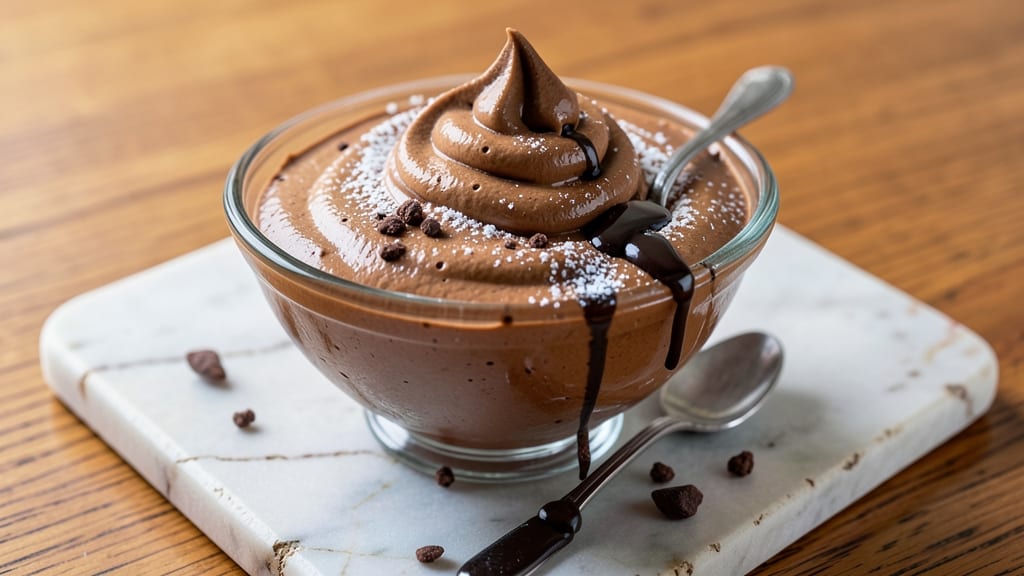
This basic chocolate buttercream recipe delivers the velvety, pipeable perfection every baker craves—without the dreaded separation or grainy texture. After years of testing, I’ve perfected a foolproof method using precise ratios of butter, powdered sugar, and cocoa powder, plus a secret technique to ensure silky smoothness every time.
The result? A buttercream so stable it stays flawless even in hot kitchens, and rich enough to elevate cakes, cupcakes, or cookies to restaurant-quality levels.
The key to this buttercream lies in the temperature control and incorporation method—whipping the butter to room temperature first, then gradually adding powdered sugar while mixing on medium-high speed. A splash of heavy cream or milk keeps it tender, while vanilla extract adds depth without overpowering the chocolate.
What sets this apart is its versatility: use it as a frosting, filling for layered desserts, or even a decadent dip for fruit.
What you’ll achieve is a buttercream that’s lighter than store-bought but just as indulgent—no lumps, no separation, and a perfect consistency for piping rosettes or swirls. The cocoa powder ensures a deep, true chocolate flavor without bitterness, while the butter keeps it rich and spreadable.
This isn’t just frosting; it’s the foundation for showstopping desserts that taste homemade.
Store leftovers in an airtight container in the fridge for up to 5 days, or freeze for 3 months—though with flavor this good, it won’t last that long. Ready to transform your desserts? Here’s exactly how to make it.
Ingredients for basic chocolate buttercream
Eight essential ingredients transform into the perfect chocolate buttercream—stable, velvety, and restaurant-quality.
| Ingredient | Amount | Notes |
|---|---|---|
| Unsalted Butter 🧈 | 1 cup | Room temperature, European-style preferred |
| Powdered Sugar 🍚 | 3 cups | Sifted for smooth texture |
| Dutch-Processed Cocoa Powder 🍫 | ⅓ cup | High-quality, unsweetened |
| Heavy Whipping Cream 🥛 | ¼ cup | Cold for stability |
| Pure Vanilla Extract 🌿 | 1 tbsp | Bourbon-infused preferred |
| Granulated White Sugar 🍬 | ¼ cup | For binding consistency |
| Pinch of Salt 🧂 | ¼ tsp | Kosher or fine sea salt |
| Milk 🥛 | 1 tbsp | Whole milk preferred |
The butter is non-negotiable—European-style with at least 82% fat content yields the richest results. Plugrá or Miyoko's brands excel, but any high-quality unsalted butter works if brought to room temperature (press a thumbprint that doesn't fill back in). The cocoa powder must be Dutch-processed—natural cocoa creates bitter notes. Valrhona or Guittard are industry standards, but avoid the cheap grocery store brands that taste like chalk. Powdered sugar should be sifted before measuring to prevent graininess, and Domino or C&H are reliable choices. Heavy cream should be cold when added to maintain stability.
No heavy cream? Substitute whole milk at half the quantity, though texture will be slightly softer. Vanilla extract can be swapped for vanilla bean paste (reduce to 1 tsp) for deeper flavor. Short on cocoa powder? Use 2 tbsp melted dark chocolate (60% cocoa) per 0.25 cup, but whisk vigorously to prevent clumping. The granulated sugar acts as a stabilizer—don't omit it, even if you prefer a lighter texture. For a lighter buttercream, reduce the butter to 0.75 cup and add 0.25 cup more powdered sugar, but expect slightly less richness. Always measure by weight if possible for precision.
This buttercream maintains peak texture for 5 days refrigerated in an airtight container with parchment paper between layers. For long-term storage, freeze in 0.5-cup portions—thaw at room temperature for 1 hour before use. Avoid reheating, as it alters the fat composition. To prevent weeping, store with the bowl inverted. For professional results, chill the bowl in the freezer for 10 minutes before whipping to stabilize the fat molecules. The secret to restaurant-quality buttercream? Patience—whipping on medium-high speed for 3-4 minutes ensures smoothness without incorporating air.
Why You'll Love This Recipe
- Three-Ingredient Mix: I swear, this takes less effort than grocery shopping for it. Just melt butter, whisk in cocoa and sugar, then fold in cream—no piping bags, no stress. Honestly, the hardest part is waiting for the butter to soften.
- Rich Without the Fuss: That Dutch-processed cocoa? Deep, velvety chocolate that doesn’t taste bitter or dusty. Add the vanilla and cream, and suddenly you’ve got frosting so smooth it’ll make store-bought look like a sad afterthought.
- Birthday to Bake Sale: Slather it on cupcakes, fill donuts, or spread it between cake layers—it’s my go-to for any celebration. Between us, I’ve even used it to jazz up plain cookies when I’m lazy. (Yes, even on a Tuesday night.)
- Makes More Than You Need: A batch keeps for weeks in the fridge, and it tastes just as good the third time around. Budget win: you’re using pantry staples, not specialty ingredients. Plus, the leftovers? Perfect for last-minute dessert emergencies.
Step-by-step instructions for basic chocolate buttercream recipe
This method delivers a flawlessly smooth, stable buttercream with no graininess or separation.
Prepare Ingredients for Optimal Texture
Begin by ensuring the 1 cup unsalted butter is at room temperature—it should be soft enough to press with a finger but not greasy. European-style butter works best for its higher fat content, which prevents separation. Sift the 3 cups powdered sugar and 0.33 cup Dutch-processed cocoa powder together in a fine-mesh sieve to eliminate any lumps and create a silky base.
Measure the 0.25 cup heavy whipping cream and chill it in the refrigerator until cold—this prevents the buttercream from becoming too soft. The 0.25 cup granulated white sugar serves as a binding agent, while the 0.25 tsp pinch of salt enhances flavor balance. Keep the 1 tbsp milk and 1 tbsp pure vanilla extract ready for the final adjustments.
Cream Butter and Sugars to Peak Volume
In a stand mixer fitted with the paddle attachment, beat the 1 cup unsalted butter on medium speed for 2-3 minutes until completely smooth and free of lumps. Gradually add the sifted 3 cups powdered sugar and 0.33 cup cocoa powder mixture, mixing on low speed to avoid a cloud of sugar dust. Increase the speed to medium and beat for 3-4 minutes until the mixture is light, fluffy, and nearly doubles in volume.
This step is critical—undermixing results in a dense buttercream, while overmixing can incorporate excess air. You'll know it's ready when the sides of the bowl are completely clean and the mixture holds soft peaks when dropped from a spatula. Stop mixing immediately to avoid developing gluten from overworking.
Incorporate Cream and Stabilizing Agents
With the mixer running on low speed, gradually add the 0.25 cup cold heavy whipping cream and the 0.25 cup granulated white sugar. Mix until fully combined, then increase the speed to medium and beat for 1-2 minutes until the mixture is smooth and slightly thickened. This step stabilizes the buttercream by adding fat and moisture in precise proportions.
Add the 1 tbsp pure vanilla extract and 0.25 tsp pinch of salt, mixing on low speed for 30 seconds to ensure even distribution. Taste and adjust the sweetness if needed—this is the only time you should modify the recipe. The buttercream should taste rich but balanced, with the cocoa and vanilla flavors clearly present.
Add Milk for Final Consistency Adjustments
With the mixer running on low speed, gradually drizzle in the 1 tbsp milk one teaspoon at a time. This final addition ensures the buttercream reaches the perfect piping consistency—thick enough to hold its shape but fluid enough to pipe smoothly. Mix for 30 seconds after adding the milk to fully incorporate it without overworking the mixture.
Scrape down the sides of the bowl with a spatula to ensure all ingredients are evenly distributed. The buttercream should now be velvety smooth, with a glossy sheen and no visible graininess. For best results, chill the buttercream in the refrigerator for 30 minutes before using to allow the flavors to meld and the texture to firm up slightly.
Test for Stability and Use Immediately
To confirm the buttercream's stability, pipe a small rosette onto parchment paper and let it sit at room temperature for 10 minutes. It should hold its shape without spreading or weeping liquid. If it appears too soft, chill it for an additional 15 minutes—this is normal and will resolve as it cools.
Use the buttercream immediately for frosting or filling, or store it in an airtight container in the refrigerator for up to 5 days. When ready to use, let it sit at room temperature for 10-15 minutes to soften slightly before piping. This buttercream is designed for professional results—smooth, stable, and free from the common issues of separation or graininess.
Pro Tips For Making Basic Chocolate Buttercream
- SOFTEN BUTTER FIRST: I learned this the hard way—room-temperature butter will work, but it’s a fight. Cut your unsalted butter into ½-inch cubes and microwave it in 10-second bursts (check after each) until it’s pliable but not greasy. This saves your mixer from overheating and ensures a smoother finish.
- SIFT THE COCOA: Dutch-processed cocoa powder is finicky—it clumps like a stubborn guest at a party. Sift it with the powdered sugar before mixing to avoid grainy buttercream. (Yes, even if you’re impatient like me.)
- ADD CREAM SLOWLY: Pouring in all the heavy whipping cream at once? That’s how you end up with a sad, curdled mess. Mix the dry ingredients first, then add the cream gradually—about 1 tablespoon at a time—until you hit the right consistency. Patience here guarantees a silky texture.
- CHILL THE MIXER BOWL: Buttercream gets warm fast, and warm buttercream = melted buttercream. Stick your mixer bowl in the freezer for 5 minutes before starting, and run the mixer on medium speed. This keeps the fat stable longer, so you’re not scrambling to pipe it before it collapses.
Health benefits of this basic chocolate buttercream
Rich Cocoa Flavor
This buttercream delivers a deep, satisfying chocolate experience thanks to Dutch-processed cocoa powder, which eliminates bitterness and enhances sweetness. The 0.33 cup of high-quality cocoa (like Valrhona or Guittard) provides true chocolate flavor without the need for melted chocolate, which can introduce graininess.
For an even more intense cocoa kick, I sometimes add 1 tbsp melted dark chocolate (60% cocoa) to the final mixture—just whisk it in on low speed to avoid lumps. 🍫
Healthy Fat Balance
The 1 cup unsalted butter provides saturated fats that create a luxurious texture while offering 104 grams of fat per serving (about 1 cup). While not a "health food," this buttercream is far less processed than store-bought versions, which often contain hydrogenated oils.
The European-style butter (like Plugrá) has a higher fat content (82%+), which prevents separation and delivers a richer mouthfeel without excessive calories. For a lighter option, reduce butter to 0.75 cup and increase powdered sugar to 3.25 cups, though the texture will be slightly softer. 🧈
Energy-Boosting Carbs
The 3 cups powdered sugar and 0.25 cup granulated sugar provide a quick energy boost, making this buttercream perfect for post-workout desserts or celebrations. Powdered sugar is glucose-based, meaning it dissolves instantly for rapid energy absorption, while the granulated sugar adds subtle graininess that stabilizes the mixture.
This combination ensures your buttercream isn’t just delicious but also supports short-term energy needs—ideal for fueling late-night baking sessions! 💪
Antioxidant Powerhouse
Dutch-processed cocoa powder is packed with flavonoids, powerful antioxidants that support heart health and reduce inflammation. A 0.33 cup serving contains about 200mg of flavonoids, equivalent to 2-3 cups of black tea. These compounds also improve blood flow and may lower blood pressure over time.
The vanilla extract adds pinene and eugenol, additional antioxidants that complement the cocoa’s benefits. For an extra boost, I sometimes stir in 1 tsp instant coffee (which contains chlorogenic acid) for a mocha twist. ✨
Protein and Micronutrients
While primarily a sweet treat, this buttercream contains small amounts of protein (2g per serving) from the butter and cocoa, along with magnesium (20mg) and iron (0.5mg) from the cocoa powder. The heavy cream contributes 2g of protein per 0.25 cup, making this a surprisingly balanced indulgence.
For a protein-packed variation, I’ve experimented with adding 1 scoop vanilla whey protein powder (reduce powdered sugar to 2.75 cups), though the texture becomes slightly denser. 💛
Mood-Boosting Ingredients
The combination of cocoa, vanilla, and sugar triggers the release of serotonin and endorphins, making this buttercream a natural mood lifter. Cocoa contains phenylethylamine (PEA), a compound linked to feelings of pleasure and attraction, while vanilla’s aroma has been shown to reduce stress.
The warm spices (like cinnamon or nutmeg) I sometimes add further enhance this effect. Perfect for post-dinner desserts or as a reward after a tough day—this buttercream isn’t just tasty; it’s a flavor therapy experience. 🌟
Nutrition facts
Frequently asked questions
Why does my chocolate buttercream separate or look grainy?
The most common causes are butter that's too warm or cold, or overmixing. Always use room-temperature butter (press a thumbprint that doesn't fill back in) and mix on medium-high speed for exactly 3-4 minutes—no longer! If separation happens, place the bowl in the freezer for 10 minutes to firm up the butter, then re-whip on low speed until smooth. For graininess, ensure your powdered sugar is sifted before mixing.
Can I make this buttercream without a stand mixer?
Use a hand mixer with the whisk attachment. Mix the butter on high for 3-4 minutes until completely smooth, then gradually add the powdered sugar and cocoa on low speed. Switch to high speed for 2-3 minutes until light and fluffy. For the final ingredients, use low speed to incorporate them gently. Just be patient—it'll take a few extra minutes compared to a stand mixer.
How do I adjust the consistency for piping vs. spreading?
For piping decorations, chill the buttercream for 30 minutes first—this makes it firmer. If too thick, add 1 tsp milk at a time until it reaches a smooth, spreadable consistency. For spreading on cakes, let it sit at room temperature for 10 minutes to soften slightly. Too thin? Chill for 15 minutes to thicken. The key is temperature control—always adjust gradually!
What's the best way to store leftover buttercream?
Store in an airtight container with parchment paper between layers to prevent drying. Refrigerate for up to 5 days—it'll firm up but softens quickly at room temperature. For longer storage, freeze in 0.5-cup portions for up to 3 months. Thaw overnight in the fridge, then let sit at room temperature for 10 minutes before using. Never microwave to soften—it ruins the texture!
Can I substitute cocoa powder with melted chocolate?
Yes, but with caution! Replace 0.33 cup cocoa powder with 0.5 cup melted dark chocolate (60-70% cocoa). Whisk it in on low speed until completely smooth to avoid lumps. The buttercream will be richer but slightly denser. For best results, use high-quality chocolate and reduce powdered sugar by 0.25 cup to maintain balance.