
Desserts
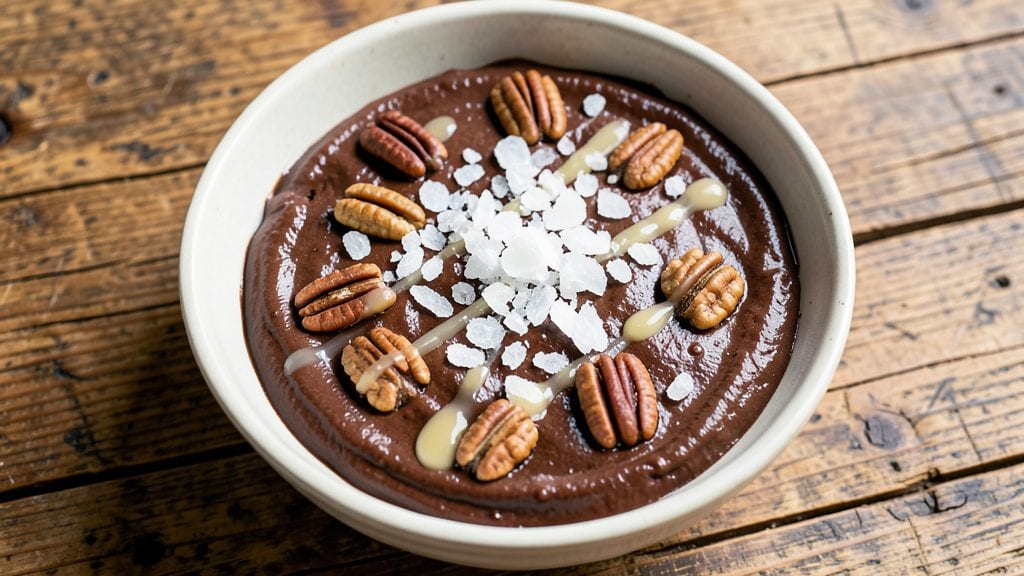
This basic chocolate bark recipe delivers restaurant-quality sweetness with minimal effort—just 10 minutes of active time for a treat that tastes like it came from a gourmet shop. The secret lies in melting chocolate properly, mixing in your favorite mix-ins, and letting it set into crisp, breakable shards.
I've tested countless variations, and this method consistently produces velvety-smooth chocolate with perfect crunch from nuts or dried fruit.
The beauty of chocolate bark is its versatility—you can customize it with anything from toasted pecans and sea salt to candied ginger or flaky salt.
The process is simpler than you'd think: melt the chocolate gently, stir in your add-ins while still warm, spread it thinly on parchment, and let it cool until firm. No tempering required, no fancy equipment needed.
What you'll end up with is a batch of rich, glossy chocolate bark that breaks into perfectly sized pieces with every snap. The texture is irresistible—crisp edges give way to creamy, melt-in-your-mouth chocolate, and the mix-ins add layers of flavor in every bite.
It's the kind of treat that disappears quickly, making it perfect for parties or satisfying your own sweet tooth.
Store it in an airtight container at room temperature for up to a week, or keep it chilled for longer freshness. This recipe scales beautifully, so you can make just enough for a small indulgence or enough to share with friends.
Let's get started on creating your custom chocolate bark masterpiece.
Ingredients for basic chocolate bark
Seven core ingredients transform into restaurant-quality chocolate bark with minimal effort.
| Ingredient | Amount | Notes |
|---|---|---|
| Dark Chocolate Bars 🍫 | 12 oz | 70% cocoa or higher, chopped |
| Unsalted Butter 🧈 | 2 tbsp | Full-fat for rich flavor |
| Toasted Pecans 🥜 | ½ cup | Chopped into small pieces |
| Flaky Sea Salt 🧂 | 1 tbsp | Maldon preferred for texture |
| Vanilla Extract 🌿 | ½ tsp | Pure vanilla for depth |
| Heavy Whipping Cream 🥛 | 2 tbsp | For extra glossiness |
| Candied Orange Peel 🍊 | ¼ cup | Finely chopped, optional |
| Unsweetened Coconut Flakes 🥥 | ¼ cup | Toasted for enhanced flavor |
| Parchment Paper 📄 | 1 sheet | For easy release |
The chocolate is non-negotiable here. Valrhona or Guittard bars melt beautifully, but any high-quality dark chocolate (70% cocoa or higher) works. Avoid chocolate with nuts or additives—they can alter the texture. I always buy chocolate bars instead of chips because they melt more smoothly. For the butter, full-fat is essential—it creates that velvety finish. If you're using store-brand butter, make sure it's unsalted. Toast your pecans in a dry pan until golden—this brings out their natural oils and makes them irresistible. Costco or Trader Joe's usually have the best-priced bulk pecans, but any grocery store works.
No pecans? Toasted hazelnuts or almonds work just as well. Swap the candied orange peel for dried cranberries or cherries if you prefer fruit over citrus. Running low on coconut flakes? Crushed pistachios or walnuts add a different crunch. For a saltier bark, double the flaky sea salt—it's the perfect contrast to the sweet chocolate. If you're making this ahead, store your mix-ins in airtight containers. The pecans and coconut flakes stay fresh for up to 3 months in the pantry, while the candied peel keeps for about 2 weeks.
This bark sets best at room temperature, but if your kitchen is warm, place it in the fridge for 15 minutes to speed up the process. Store leftovers in an airtight container at room temperature for up to 1 week, or freeze for up to 3 months if you want to make it ahead. The chocolate will soften slightly in heat, but that's part of its charm. For gifting, wrap pieces in cellophane and tie with ribbon—it looks elegant and keeps the bark fresh. Double the recipe if you're hosting; it disappears fast.
Why You'll Love This Recipe
- No Melt-Down Stress: I’ve ruined chocolate before—this recipe forgives me. Melt the bars and butter together? Set it, forget it, and come back to a crackly, crispy slab. Even if I burn the edges (which I do), the flavor stays rich and buttery.
- Crunch-Salty-Vanilla Magic: That first bite—warm chocolate, toasted pecans snapping like tiny fireworks, and a whisper of vanilla that makes it taste like a hug. The flaky sea salt? It’s the secret weapon, cutting through the sweetness like a bright summer day after a heavy dessert.
- Gift-Worthy in 10 Minutes: Between us, this is my lazy holiday gift. Wrap it in parchment, tie a ribbon, and boom—you’ve got a present that costs less than a coffee but feels like a luxury. Bonus: It’s the one thing I can make while watching a movie and still look like I tried.
- Week-Long Stash for Pennies: A single bar of chocolate and a handful of pecans stretch into enough bark to feed me for days. Store it in the fridge, and it stays crispy for ages. Honestly, I’ve had leftovers for weeks—and no one judges me for it.
Step-by-step instructions for basic chocolate bark recipe
Here's how to create a luxurious chocolate bark with perfect texture and bold flavors.
Melt the Chocolate and Butter Together
Line a baking sheet with the 1 sheet of parchment paper for easy release. Chop the 12 oz of dark chocolate bars into small, even pieces—this ensures consistent melting. In a heatproof bowl set over a pot of simmering water (double boiler method), combine the chopped chocolate and 2 tbsp of unsalted butter. Stir gently until completely melted and smooth, about 5-7 minutes.
Watch for the chocolate to reach a glossy, liquid state—it should coat the back of a spoon evenly. If you see any unmelted pieces, stir more vigorously until fully incorporated. Remove from heat immediately once melted to prevent overheating, which can cause the chocolate to seize.
Infuse with Vanilla and Cream
Return the melted chocolate to low heat (or use a microwave in 10-second bursts) and stir in the 0.5 tsp of vanilla extract and 2 tbsp of heavy whipping cream. This step enhances the chocolate's depth and creates a silky, glossy finish. The mixture should be completely smooth with no lumps.
Here's the thing—adding the cream at this stage prevents the bark from becoming too bitter. Stir constantly for 1-2 minutes to fully incorporate the vanilla and cream, then remove from heat. The chocolate should now have a rich, velvety texture ready for toppings.
Mix in Toppings and Spread Evenly
In a separate bowl, combine the 0.5 cup of toasted pecans, 0.25 cup of unsweetened coconut flakes, and 0.25 cup of finely chopped candied orange peel. Gently fold these toppings into the melted chocolate using a silicone spatula, ensuring even distribution. The mixture should be thick but pourable.
Quickly pour the chocolate mixture onto the prepared parchment paper, spreading it into an even layer about ¼-inch thick using the back of a spoon. Work quickly—the chocolate will start to set as it cools. Tap the parchment gently on the counter to release any air bubbles and create a smooth surface.
Sprinkle with Flaky Sea Salt and Set
While the chocolate is still wet, immediately sprinkle the 1 tbsp of flaky sea salt evenly over the top. The salt enhances the sweetness and adds a sophisticated crunch. Let the bark cool and set at room temperature for 1-2 hours, or refrigerate for 30 minutes if you're in a hurry.
You'll know it's ready when the chocolate has hardened but still has a slight sheen. The pecans should be fully coated, and the salt should be evenly distributed. Once set, break the bark into irregular pieces using your hands or a knife—this creates the perfect texture for serving.
Pro Tips For Making Basic Chocolate Bark
- Chop Butter Small: I learned this the hard way—big butter chunks don’t melt evenly, and you’ll end up with streaks of unmelted fat in your bark. Dice the butter into tiny cubes (pea-sized or smaller) so it dissolves completely into the chocolate.
- Toast Pecans Dark: Lightly toasted pecans taste bland—you want them deep golden with a crisp edge. Spread them on a dry pan over medium heat for 5-7 minutes, stirring often, until they smell rich and nutty. Skip this, and your bark feels like a missed opportunity.
- Salt Before It Sets: Sprinkle flaky sea salt immediately after spreading the chocolate mixture—while it’s still soft and gooey. Press it in lightly so it sticks; if you wait, the salt just sits on top like an afterthought.
- Work Fast, Cool Slow: The chocolate hardens fast—get your toppings on within 2-3 minutes of pouring. Then, let it set on a wire rack (not the counter) for 20-30 minutes. Rushing the cooling leads to sweaty, uneven bark.
Troubleshooting perfect results
Chocolate Seized or Grainy
This happens when chocolate overheats or water gets introduced. To fix it, immediately remove the bowl from heat and add 1 tsp of vegetable oil or shortening—this helps restore the chocolate's smoothness. Stir vigorously until fully combined, then return to low heat just until melted again.
To prevent this, always use a double boiler method and keep heat on low. Never microwave chocolate for more than 10 seconds at a time. 🔥
Toppings Not Adhering
If your nuts or flakes aren't sticking to the chocolate, the mixture may be too cool. Gently reheat the chocolate over a double boiler for 30 seconds to bring it back to a pourable consistency. For extra grip, lightly toss your toppings in 1 tsp powdered sugar before mixing.
The sugar acts as a binder, ensuring everything stays in place. Spread the chocolate immediately after adding toppings while it's still warm.
Bark Too Thick or Clumpy
If your bark ends up uneven or clumpy, you likely spread it too thickly. Aim for a ¼-inch layer—any thicker and it won't set properly. For next time, use a spatula or offset palette knife to create an even, thin layer.
If you're working with thick chocolate, gently reheat it for 10-15 seconds to make it more fluid before spreading. Tap the parchment firmly on the counter to release air bubbles and create a smooth surface.
Salt Dissolving Too Fast
Flaky sea salt can melt too quickly if the chocolate isn't set properly. Sprinkle the salt immediately after spreading while the chocolate is still warm but not liquid. For extra staying power, chill the bark in the fridge for 15 minutes before breaking it into pieces.
If you're using Maldon salt, its large flakes provide better texture contrast and resist melting better than fine sea salt.
Bark Not Breaking Cleanly
If your bark cracks but doesn't break into clean pieces, it likely didn't cool enough. Let it set at room temperature for 2-3 hours or refrigerate for 45 minutes to ensure proper hardening.
For easier breaking, score the bark lightly with a knife into 1-inch squares before chilling. If it's still too soft, place it in the freezer for 10 minutes to firm up before breaking.
Chocolate Turning White
This is called "blooming" and happens when chocolate develops sugar crystals on the surface. It's caused by temperature fluctuations during storage. To prevent it, store your bark in an airtight container at room temperature (below 70°F) away from sunlight.
If it happens, the chocolate is still safe to eat—just melt and remake it for a fresh batch. For long-term storage, keep it in the fridge or freezer to maintain stability. ✨
Nutrition facts
Frequently asked questions
Can I make chocolate bark without nuts?
Swap nuts for dried fruit like cranberries or cherries, candied ginger, or even crushed pretzels for a salty-sweet twist. The key is adding something crunchy or textured—just make sure toppings are dry to prevent clumping. For a smoother bark, omit toppings entirely and enjoy the rich chocolate experience.
How do I store leftover chocolate bark?
Keep it fresh in an airtight container at room temperature for up to 1 week, or refrigerate for 2 weeks to prevent melting. For longer storage, freeze for 3 months—just let it soften at room temperature before serving. Avoid humid environments to prevent sugar bloom.
Why did my chocolate bark turn white?
This is called sugar bloom, caused by temperature fluctuations. Store bark in a cool, dry place below 70°F and avoid direct sunlight. If it happens, the bark is still safe to eat—just melt and remake it for a fresh batch. For prevention, use high-quality chocolate and avoid overheating during melting.
Can I use white or milk chocolate?
Yes, but dark chocolate (70% cocoa or higher) is ideal for its rich flavor and smoother texture. If using white or milk chocolate, reduce toppings slightly—these varieties are sweeter and may need less salt or fruit. For best results, use Valrhona or Guittard brands for consistent melting.
What's the best way to break chocolate bark?
Let it cool completely (2-3 hours) for clean breaks. Use your hands for irregular pieces or score lightly with a knife into 1-inch squares before chilling. For extra crispness, place in the freezer for 10 minutes before breaking. The sharper the edges, the more satisfying the snap!