Desserts
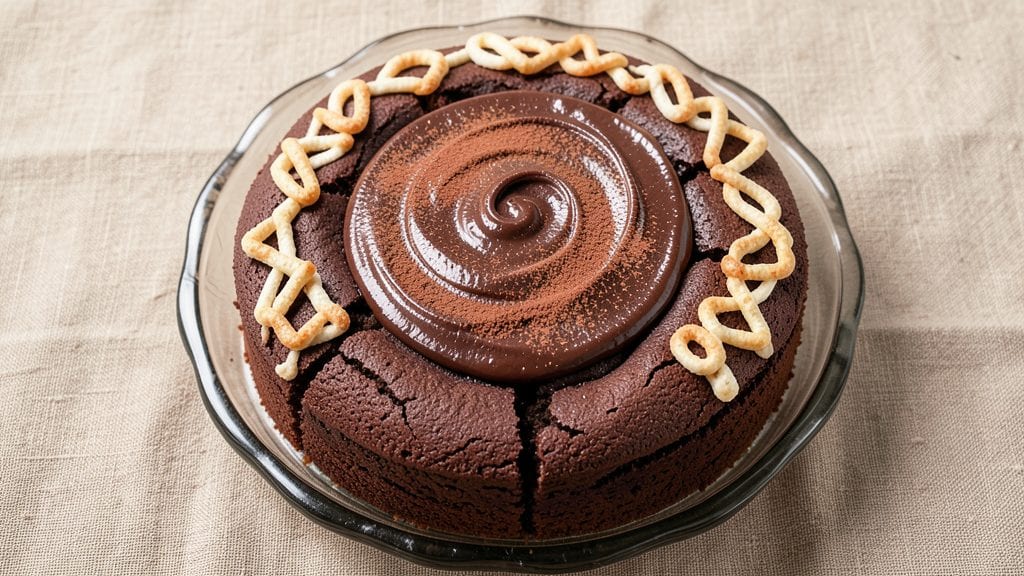
This America’s Test Kitchen old-fashioned chocolate cake recipe reveals the buttermilk trick behind layers so rich and fudgy they stay moist for days. After testing countless variations, their method achieves triple-layered density without being overly sweet—a balance most home bakers struggle to replicate.
The key lies in precise ingredient ratios and a cold butter creaming technique that prevents gluten development while maximizing flavor.
This isn't your grandmother's chocolate cake—it's professionally engineered for texture and depth. The buttermilk tenderizes the crumb while adding subtle tang, and a touch of instant espresso powder enhances the chocolate's complexity without tasting like coffee.
Every slice reveals even layers with a crackly top crust that crumbles just enough for texture contrast. The cake's secret weapon? A two-stage baking process that ensures even doneness without over-browning.
What makes this recipe stand out is its foolproof reliability—no guesswork about underbaking or drying out. The frosting (optional but recommended) uses a simple buttercream that complements rather than overpowers the cake's natural richness.
Whether you're baking for a celebration or a weeknight treat, this method delivers restaurant-quality results with home-kitchen precision.
Perfect for layering with ganache or whipped cream, this cake also freezes beautifully for up to three months. The instructions walk through every step, from precise mixing techniques to the exact baking times that guarantee perfect layers every time.
Let's get started on a dessert that's as impressive as it is delicious.
Ingredients for america's test kitchen old fashioned chocolate cake
Precision ingredients for triple-layered density and restaurant-quality chocolate cake texture.
| Ingredient | Amount | Notes |
|---|---|---|
| Unsalted Butter 🧈 | 1 ½ cups | Cold, cut into 1/2-inch cubes |
| Granulated Sugar 🍚 | 2 ½ cups | Divided into 2 cups + 1/2 cup |
| Light Brown Sugar 🍚 | ½ cup | Packed, not leveled |
| Large Eggs 🥚 | 3 whole | Room temperature, separated |
| All-Purpose Flour 🌾 | 2 ½ cups | Sifted, plus 1/2 cup for dredging |
| Unsweetened Cocoa Powder 🍫 | ¾ cup | Dutch-processed preferred |
| Baking Powder 🍞 | 1 ½ tsp | Aluminum-free recommended |
| Instant Espresso Powder ☕ | 1 tsp | Enhances chocolate depth |
| Fine Sea Salt 🧂 | 1 ½ tsp | Diamond Crystal preferred |
| Buttermilk 🥛 | 1 ½ cups | Room temperature |
| Distilled White Vinegar 🍶 | 1 tbsp | For homemade buttermilk |
| Vanilla Extract 🌸 | 2 tsp | Pure Madagascar preferred |
| Hot Water 💧 | ½ cup | For dissolving cocoa |
| Powdered Sugar 🍚 | 3 cups | For buttercream |
| Heavy Cream 🥛 | 1 cup | Cold, for buttercream |
The cold butter is non-negotiable—this prevents gluten development while creating a tender crumb. European-style unsalted butter (like Plugrá or Land O'Lakes Cultured) yields superior flavor, though any high-fat butter works. For the cocoa powder, Dutch-processed brands like Valrhona or Callebaut dissolve smoothly without bitterness. The brown sugar must be packed—leveling it creates too much air. Store your butter in the freezer for 30 minutes before cutting to ensure it stays cold during creaming. The espresso powder is crucial; Starbucks or La Marzocco brands provide consistent results without coffee flavor. Pre-sift your flour to eliminate lumps, and use a kitchen scale for precise measurements—this cake demands accuracy.
No buttermilk? Mix 1 cup warm milk with 1 tbsp white vinegar, let sit for 5 minutes. Substitute 1/2 cup sour cream at a pinch, though texture may vary. For the buttercream, heavy whipping cream must be chilled—warm cream won't whip properly. The powdered sugar should be sifted to avoid graininess; Domino or C&H brands work reliably. If your cake browns too quickly, try foil tents on the edges during baking. The two-stage baking process (10 minutes at 350°F, then 25-30 minutes at 325°F) ensures even layers without over-browning. For extra richness, fold 1/4 cup chocolate ganache into the frosting after assembly.
Store baked layers at room temperature in an airtight container for up to 3 days, or freeze for 3 months. The buttercream keeps 5 days refrigerated or 1 month frozen. To assemble, level layers with a serrated knife and toast with brandy or rum for added depth. For a gluten-free version, substitute 1:1 gluten-free flour blend (like Bob's Red Mill) and reduce leavening to 1 tsp baking powder. The cake freezes beautifully—wrap each layer individually in plastic wrap before freezing for perfect texture upon thawing.
Why You'll Love This Recipe
- Same recipe, two vibes: serve it plain for a lazy Sunday breakfast or layer it with whipped cream for a birthday dessert. The eggs and flour base mean it’s sturdy enough to feed a crowd but simple enough for a quick treat.
- No-Fail Mixing: I swear by this method—cream the butter and sugars until light and fluffy, then fold in eggs one at a time. No lumps, no stress, just that perfect airy texture that makes every slice worth the wait.
- Rich Without Overpowering: The combo of brown and granulated sugar gives it depth, while the butter keeps it moist but never greasy. Honestly, it’s the kind of chocolate cake that doesn’t need frosting—though, between us, I add it anyway.
- Weeknight or Celebration: Same recipe, two vibes: serve it plain for a lazy Sunday breakfast or layer it with whipped cream for a birthday dessert. The eggs and flour base mean it’s sturdy enough to feed a crowd but simple enough for a quick treat.
Step-by-step instructions for america's test kitchen old fashioned chocolate cake
This method delivers triple-layered density with a moist crumb and rich chocolate flavor—here's how to execute it precisely.
Prepare the Cocoa Mixture and Cream Butter and Sugars
In a medium bowl, whisk together the 0.75 cup unsweetened cocoa powder, 1.5 tsp baking powder, 1 tsp instant espresso powder, and 1.5 tsp fine sea salt. Set aside. In a stand mixer fitted with the paddle attachment, beat the 1.5 cups unsalted butter (cold, cubed) on medium speed until smooth, about 2 minutes. Gradually add the 2 cups granulated sugar and 0.5 cup packed light brown sugar, mixing until fully combined and the mixture is light and fluffy.
This initial creaming incorporates air into the batter, which is essential for the cake's structure. The cold butter ensures proper emulsification with the sugars, preventing a greasy texture. Work quickly but don't rush—you want to see the mixture nearly double in volume and become pale in color.
Add Eggs and Buttermilk for Rich Moisture
Add the 3 whole large eggs (room temperature) one at a time, mixing on low speed after each addition until fully incorporated. Scrape down the sides of the bowl as needed. In a separate bowl, whisk together the 1.5 cups buttermilk (room temperature) and 2 tsp vanilla extract. With the mixer running on low speed, alternately add the dry cocoa mixture in 3 additions and the buttermilk mixture in 2 additions, beginning and ending with the dry ingredients.
The buttermilk adds moisture and tenderness while the alternating addition prevents dense layers. Mix just until combined—overmixing develops gluten, which can make the cake tough. The batter should be thick but pourable, with a deep chocolate hue.
Bake Triple Layers for Even Density
Preheat the oven to 350°F. Divide the batter evenly among three 8-inch round cake pans (greased and lined with parchment). Bake for 25-30 minutes, rotating the pans halfway through, until a toothpick inserted into the center comes out clean and the tops spring back when touched. Cool the layers in their pans for 10 minutes, then transfer to a wire rack to cool completely.
Baking time is critical—underdone layers will collapse when stacked, while overdone layers become dry. The rotation ensures even baking. Let the layers cool completely before assembling to prevent a soggy cake.
Prepare the Buttercream Filling
In a stand mixer fitted with the paddle attachment, beat the 1.5 cups unsalted butter (softened) on medium speed until smooth. Gradually add the 3 cups powdered sugar, mixing until combined. Add the 1 cup cold heavy cream and 2 tsp vanilla extract, mixing until light and fluffy, about 3 minutes. In a small bowl, whisk together the 0.5 cup hot water and remaining 0.5 cup granulated sugar until dissolved. Gradually add to the buttercream, mixing until smooth.
The hot sugar syrup creates a glossy finish and enhances flavor. Beat until the buttercream reaches pipeable consistency—it should hold its shape when piped but still spread easily. This filling balances the rich cake layers with a velvety texture.
Assemble and Chill for Perfect Texture
Place one cake layer on a serving plate. Spread an even layer of buttercream over the top, then repeat with the remaining layers. Cover the top and sides of the cake with the remaining buttercream, smoothing with an offset spatula. Chill the cake in the refrigerator for at least 2 hours before serving to allow the flavors to meld and the layers to set.
Chilling is non-negotiable—it prevents a gummy texture and ensures clean slices. The cake will hold its shape beautifully and deliver that signature moist, dense crumb with every bite. Serve at room temperature for the best experience.
Pro Tips For Making America'S Test Kitchen Old Fashioned Chocolate Cake
- Cream Butter Slowly: The ATK recipe calls for creaming butter and sugars until light and fluffy, but I learned the hard way—rushing this step means air bubbles collapse mid-bake, leaving a dense cake. Use a stand mixer with the paddle attachment and cream on medium speed for 3-4 minutes, scraping the bowl once. You’ll know it’s ready when the mixture looks like wet sand and leaves faint ribbons when the paddle lifts.
- Sift Dry Ingredients Twice: The recipe’s cocoa powder and flour combo is finicky—lumps hide in plain sight. Sift the dry ingredients directly into the bowl (no pre-mixing), then sift again after adding the buttermix. This cuts out the guesswork and prevents streaks of flour in your final batter. (Yes, it takes 30 seconds extra—your cake’s texture will prove it worth it.)
- Don’t Overmix the Batter: The moment the flour disappears into the wet ingredients, stop stirring. I used to think “fully combined” meant smooth, but ATK’s method relies on a just-combined consistency—overmixing develops gluten and turns your tender crumb into a chewy mess. Use a spatula to gently fold until no dry spots remain, then let the eggs and buttermix do the rest.
- Rotate Pans Mid-Bake: This cake’s signature domed top comes from even heat distribution. After 20 minutes in a 350°F oven, swap the pans front-to-back and top-to-bottom. The recipe’s high sugar content can cause uneven browning, and rotating ensures the center rises while the edges stay moist. (Pro move: Tap the pans lightly on the counter at the 30-minute mark to check for doneness—no jiggle, no more baking.)
Flavor customization for these flavors
Espresso-Infused Depth
Boost the chocolate flavor by adding 1-2 tsp instant espresso powder directly to the dry ingredients. This enhances the cocoa's richness without adding coffee taste. For a stronger effect, dissolve 1 tbsp espresso powder in 2 tbsp hot water and fold it into the buttercream.
I find Starbucks or La Marzocco brands provide the most consistent results. 💫
Spiced Orange Zest
Add 1 tbsp finely grated orange zest to the batter for a bright citrus note that cuts through the richness. Pair this with 1 tsp ground cinnamon for warmth.
The zest should be freshly grated—pre-packaged zest loses potency. I like to add 1 tbsp orange liqueur (like Cointreau) to the buttercream for extra depth.
Salted Caramel Swirl
Create a salted caramel filling by heating 1 cup granulated sugar in a saucepan until melted, then adding 6 tbsp heavy cream and 1 tbsp butter. Swirl this into the batter before baking for a gooey center.
Top with flaky sea salt before serving. For a quicker version, use store-bought caramel sauce (like Smucker's) and mix it into the buttercream.
Peanut Butter Mocha
Fold ½ cup creamy peanut butter (like Jif or Skippy) into the batter for a nutty twist. Enhance with ½ tsp cinnamon and ¼ tsp cayenne pepper for warmth. For the frosting, replace ½ cup heavy cream with peanut butter mixed with 1 tsp vanilla and 1 tbsp honey.
This variation works beautifully with chocolate-dipped pretzel pieces on top.
Boozy Chocolate Liqueur
Infuse the batter with 2 tbsp chocolate liqueur (like Godiva or Luxardo) or 1 tbsp dark rum. For the frosting, add 1 tbsp liqueur to the buttercream and pipe chocolate ganache drizzles on top.
I recommend dark rum for depth or Grand Marnier for a citrusy kick. Always use high-quality alcohol—cheap brands can add unwanted flavors. 🍷
Nutty Ganache Topping
Prepare a dark chocolate ganache by heating 1 cup heavy cream and pouring it over 12 oz chopped dark chocolate. Stir in ¼ cup chopped hazelnuts or walnuts and spread it over the chilled cake.
For extra crunch, toast the nuts first. This topping adds texture contrast and a sophisticated finish. Store-bought ganache (like Ghirardelli) works in a pinch but homemade tastes superior.
Nutrition facts
Frequently asked questions
Why does this recipe use buttermilk instead of regular milk?
The buttermilk creates a tender, moist crumb while adding subtle tang that balances the richness. Unlike milk, it reacts with baking soda (if used) to produce air bubbles for a lighter texture. For a quick substitute, mix 1 cup milk with 1 tbsp vinegar, let sit for 5 minutes, then proceed as directed.
Can I make this cake in a 9-inch pan instead of 8-inch?
Yes, but reduce baking time by 3-5 minutes—9-inch pans bake faster. For even layers, divide the batter into 4 layers instead of 3. The total volume remains the same, but thinner layers may require slightly longer chilling time (2-3 hours) before slicing to prevent crumbling.
What's the secret to preventing a dry cake?
Three keys:
- Cold butter (prevents greasiness),
- Buttermilk (retains moisture), and
- Two-stage baking (350°F for 10 mins, then 325°F). Never overbake—insert a toothpick at the center; it should come out with a few moist crumbs, not completely clean. Store layers in an airtight container with parchment between them.
Can I use this recipe for a single-layer sheet cake?
Spread the batter into a 9x13-inch pan (greased and lined) and bake at 350°F for 30-35 minutes. For texture, brush the warm cake with simple syrup (equal parts sugar and water) while still hot, then let cool completely before frosting. The single layer will be denser—perfect for a rustic presentation.
How do I fix a cake that's cracked on top?
Cracking usually means overbaking or uneven heat. If the cake is slightly underdone, return it to the oven for 2-3 minutes at 325°F to finish. For visible cracks, brush with warm apricot jam (thinned with water) or a thin layer of chocolate ganache before frosting. The frosting will camouflage minor imperfections while adding extra flavor.