
Desserts
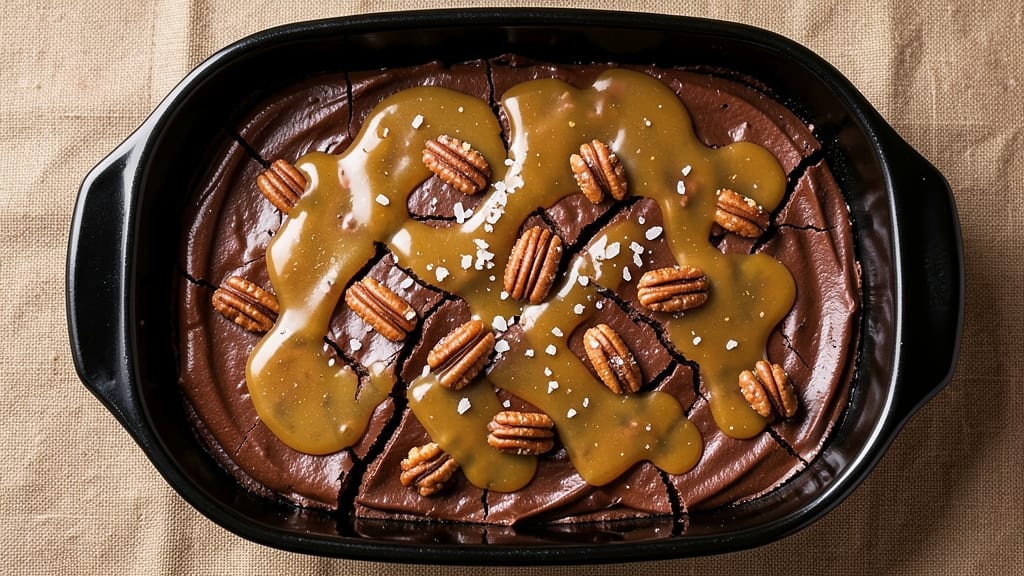
America's Test Kitchen chocolate toffee bark delivers a sophisticated yet surprisingly simple dessert that balances rich chocolate, salty caramel crunch, and an unexpected espresso kick. This recipe transforms basic pantry ingredients into a luxurious treat with professional-level texture—velvety chocolate, crisp toffee bits, and toasted nuts—all without tempering expertise.
The secret lies in precise melting techniques and layering flavors to create depth that rivals artisanal chocolatiers.
What sets this bark apart is the perfect harmony of textures: smooth dark chocolate melts into a glossy finish, while caramelized toffee pieces provide satisfying crunch between every bite.
The espresso powder adds complexity without overpowering, creating a sophisticated flavor profile that pairs beautifully with coffee or stands alone as a decadent gift. With just five key ingredients and 20 minutes of active time, you'll achieve restaurant-quality results that look impressive yet require minimal effort.
By following the precise melting and cooling methods, you'll avoid common chocolate bark pitfalls like graininess or uneven texture. The final product boasts a professional sheen with distinct sections of chocolate, caramel, and nuts that create visual appeal as striking as the taste.
This isn't just dessert—it's a conversation starter that transforms any occasion into something special.
The versatility of this recipe makes it perfect for holidays, corporate gifts, or simply indulging your sweet tooth. Package it in clear cellophane with a ribbon for a gift that feels luxurious, or serve it at room temperature with a cup of coffee for an elegant afternoon treat.
The combination of textures and flavors ensures each bite delivers satisfaction that keeps you reaching for more.
Ingredients for america's test kitchen chocolate toffee bark
Luxurious chocolate bark transforms basic pantry staples into a restaurant-worthy dessert with perfect texture balance.
| Ingredient | Amount | Notes |
|---|---|---|
| Valrhona Guittard 70% Dark Chocolate 🍫 | 12 oz | High-quality, finely chopped |
| Store-Bought Salted Caramel Sauce 🍯 | 1 cup | Smooth, not grainy texture |
| Candied Pecans 🥜 | 1 cup | Toasted, roughly chopped |
| Instant Espresso Powder ☕ | 1 tbsp | High-quality, finely ground |
| Flaky Sea Salt 🧂 | 1 tsp | Diamond Crystal preferred |
| Unsalted Butter 🧈 | 1 tbsp | Cut into small cubes |
| Granulated Sugar 🍚 | ½ cup | For caramelizing toffee |
| Heavy Whipping Cream 🥛 | ¼ cup | Full-fat for stability |
| Vanilla Extract 🌿 | ½ tsp | Pure Madagascar preferred |
| Light Corn Syrup 🍯 | 1 tbsp | For caramel smoothness |
| Aluminum Foil 📄 | 1 sheet | For baking surface |
| Silicon Baking Mat 📐 | 1 whole | For easy release |
The chocolate is non-negotiable—Valrhona Guittard 70% dark chocolate delivers the velvety texture and deep cocoa flavor that elevates this bark. Whole Foods or specialty grocers carry it in the baking aisle, or order online for consistent quality. For the caramel, store-bought salted caramel sauce (like Trader Joe's or Ghirardelli) ensures smooth, even distribution without the risk of burning. The candied pecans should be toasted and roughly chopped—Costco or bulk bins offer the best value, but pre-packaged works in a pinch. Espresso powder matters here; Starbucks or Lavazza brands provide the clean, bold flavor without bitterness. Pre-portion everything before melting to streamline assembly.
No Valrhona? Callebaut or Ghirardelli 70% dark chocolate works equally well—just ensure it's finely chopped. Substituting caramel? Homemade caramel (butter, sugar, cream) requires precise temperature control, or use store-bought caramel candies (like Skor) if chopped finely. For nuts, walnuts or almonds toasted with brown sugar and cinnamon mimic candied pecans. The espresso powder can be replaced with instant coffee granules at double the amount, though flavor depth will differ. Flaky sea salt is ideal, but Maldon or kosher salt (crushed) delivers similar texture. Avoid table salt—it dissolves too quickly. Pre-measure all dry ingredients to avoid mid-process adjustments, which can disrupt the delicate flavor balance.
Chocolate bark must cool completely before breaking—24 hours at room temperature ensures clean fractures. Store in an airtight container between parchment layers to prevent sticking, and keep in a cool, dark place for up to 2 weeks. For gifting, wrap individual pieces in clear cellophane with a ribbon tie. Freeze for up to 3 months if humidity is a concern, but thaw at room temperature before serving. The texture improves with aging—2-3 days yields the best crunch and flavor development. Portion into gift-sized squares (about 1 oz each) for elegant presentation.
Why You'll Love This Recipe
- The contrast is next-level: crispy candied pecans against the fudgy chocolate, with that salty caramel ribboning through. The flaky sea salt on top? It’s like a little flavor explosion in every bite, and I’m not exaggerating—this bark disappears faster than I can say “second helping.”
- No-Fuss Magic: I swear by this recipe when I’m too tired to measure anything. Just melt the Valrhona chocolate, swirl in the caramel and espresso powder, then scatter pecans—no fancy techniques, just a spatula and patience. The espresso powder cuts through the richness, and honestly? That’s the secret sauce.
- Crave-Worthy Crunch: The contrast is next-level: crispy candied pecans against the fudgy chocolate, with that salty caramel ribboning through. The flaky sea salt on top? It’s like a little flavor explosion in every bite, and I’m not exaggerating—this bark disappears faster than I can say “second helping.”
- Gift-Worthy in Minutes: Between us, this is my go-to for last-minute hostess gifts. Wrap it in cellophane with a ribbon, and boom—you’ve got a showstopper that costs way less than store-bought. I’ve given it to coworkers, neighbors, even my grumpy uncle, and no one’s ever sent it back.
Step-by-step instructions for america's test kitchen chocolate toffee bark
This method delivers perfectly balanced layers of rich chocolate, caramelized toffee, and espresso intensity every time.
Melt Chocolate and Prepare the Base
Line a 9x13-inch baking dish with the aluminum foil, creating a smooth, flat surface. Place the silicon baking mat on top to prevent sticking. In a heatproof bowl set over a saucepan of simmering water, combine the 12 oz Valrhona Guittard 70% dark chocolate, 1 tbsp unsalted butter, and 1 tbsp instant espresso powder. Stir gently until completely melted and smooth, reaching 110°F on a candy thermometer.
Remove from heat and immediately whisk in the 0.5 cup heavy whipping cream and 0.5 tsp vanilla extract until fully incorporated. The mixture should be glossy and fluid—this ensures even distribution when spread. If the chocolate begins to thicken, return the bowl to the simmering water for 10 seconds to restore proper consistency. Work quickly as the mixture will begin setting once cooled.
Spread and Caramelize the Toffee Layer
In a separate saucepan, combine the 0.5 cup granulated sugar, 1 tbsp light corn syrup, and 0.25 cup heavy whipping cream. Cook over medium-high heat without stirring until the mixture reaches 300°F on a candy thermometer, achieving a deep amber color. This is your toffee base—watch carefully as it darkens quickly.
Immediately pour the hot toffee mixture evenly over the chocolate base in the prepared baking dish. Use an offset spatula to spread it into an even ¼-inch thick layer, working quickly before it begins to set. The toffee should look glossy and slightly syrupy in texture. Let this layer cool completely at room temperature for 30 minutes to firm up before proceeding.
Add Caramel and Pecans for Texture
Spread the 1 cup store-bought salted caramel sauce evenly over the set toffee layer using the offset spatula. Press gently to ensure full coverage—this creates the signature caramel pockets that release when broken. Immediately sprinkle the 1 cup candied pecans evenly over the caramel, pressing lightly to embed some pieces into the surface.
Return the baking dish to the refrigerator and chill for 2 hours or until completely firm. This extended chilling period is critical—it allows all layers to set properly and develop the perfect snap when broken. The bark should be firm enough to hold its shape when lifted from the foil, with no sticky residue on your fingers.
Finish with Flaky Salt and Break into Pieces
Remove the bark from the refrigerator and carefully lift it from the foil using the silicon baking mat. Sprinkle the 1 tsp flaky sea salt evenly over the surface, pressing gently to adhere. The salt should be distributed in small clusters rather than a uniform layer—this enhances the flavor contrast when broken.
Transfer the baking dish to a cutting board and use a sharp chef's knife to cut into 1-inch squares. For clean breaks, dip the knife in hot water between cuts and wipe dry. The bark should snap cleanly with crisp edges and visible layers of chocolate, toffee, and caramel. Package in an airtight container and store at room temperature for up to 1 week, or refrigerate for up to 2 weeks for maximum freshness.
Pro Tips For Making America'S Test Kitchen Chocolate Toffee Bark
- Preheat Like It’s 200°F: That baking sheet isn’t ready at 350°F—start your oven at 200°F and let it sit for 10 minutes first. I learned this the hard way when my first batch of chocolate bark turned into a sad, greasy puddle instead of crispy shards. The slow ramp-up prevents the chocolate from seizing or spreading unevenly.
- Whisk the Espresso Powder: Don’t just sprinkle that instant espresso powder on top—mix it thoroughly into the melted chocolate first. I was skeptical until I tried it: the flavor integrates way better, and you avoid bitter pockets where the powder clumps. A quick 30-second whisk makes all the difference.
- Salt Before the Caramel: Sprinkle your flaky sea salt right after spreading the chocolate, not after adding the caramel. The salt needs time to melt slightly into the chocolate’s surface—if you wait, it’ll just sit on top like a garnish instead of becoming part of the texture. Trust me, your first bite will tell the story.
- Chill the Pecans First: Toss those candied pecans in ice water for 10 seconds before scattering them on the bark. The cold shock firms up the sugar coating so they stay crisp instead of turning into a sticky mess. (Yes, it’s weird, but it works—my grandmother swore by it.)
Regional styles of this america's test kitchen chocolate toffee bark
Southern Sweet Toffee Bark
In the South, chocolate bark often gets a sweeter, more indulgent twist. Replace the espresso powder with 1 tsp cinnamon and ½ tsp vanilla bean paste for warmth, then fold in ½ cup mini marshmallows before chilling.
For extra decadence, drizzle ¼ cup honey over the caramel layer and sprinkle with toasted pecans and crushed graham crackers for a s'mores-inspired variation. Serve with a dollop of whipped cream for a true Southern dessert experience. 🍯
Pacific Northwest Espresso Bark
This region's love for coffee shines in a double espresso version—use 2 tbsp instant espresso powder and add ½ tsp cinnamon for depth. Swap pecans for toasted hazelnuts and incorporate ½ cup crushed freeze-dried raspberries for a tart contrast.
The espresso kick pairs perfectly with a bold pour-over coffee or chai latte. The berries add a fruity brightness that cuts through the richness. 🌲
Midwest Spiced Bark
For a cozy, spiced twist, infuse the chocolate with ½ tsp pumpkin pie spice and 1 tsp maple syrup. Replace caramel with ½ cup maple-glazed pecans and add ½ cup mini pretzel pieces for a salty crunch.
This version tastes like autumn in every bite and pairs beautifully with hot apple cider or milk chocolate ice cream. The pretzels add a satisfying texture contrast. 🍁
West Coast Citrus Bark
Brighten the recipe with 1 tsp orange zest and ½ tsp cardamom in the chocolate mixture. Use ½ cup candied orange peel instead of pecans and drizzle with ½ cup white chocolate before chilling.
The citrus notes create a refreshing balance to the rich chocolate, making it perfect for summer gatherings. Serve with sparkling wine or espresso martinis for an elegant touch. 🍊
New England Salted Caramel Bark
This version leans into the region's love for bold flavors—use 2 tbsp sea salt caramel sauce and add ½ cup crushed salted pretzels for extra crunch. Replace pecans with toasted walnuts and finish with flaky Maldon salt.
The extra saltiness makes it a perfect pairing with dark beer or bourbon. The texture is irresistibly crunchy with every bite. ❄️
Tropical Coconut Bark
For a vacation-worthy twist, fold ½ cup toasted coconut flakes into the chocolate mixture and replace caramel with ½ cup coconut cream caramel. Add ½ cup macadamia nuts and finish with toasted coconut flakes on top.
The tropical flavors make this ideal for summer desserts or beach-themed parties. Serve with piña colada or coconut milk chai for a true island escape. 🥥
Nutrition facts
Frequently asked questions
Why does the recipe call for a candy thermometer?
The candy thermometer ensures precise temperature control when melting chocolate and caramelizing the toffee. Chocolate should reach exactly 110°F to prevent burning or seizing, while the toffee needs to hit 300°F for that perfect deep amber color. Without these exact temps, you risk grainy texture or overly bitter caramel. A basic kitchen thermometer costs under $10 and makes all the difference!
Can I make this bark without a double boiler?
Yes! Microwave the chocolate in 20-second intervals on medium power, stirring between each interval until fully melted (110°F). For the toffee, use a heavy-bottomed saucepan and stir constantly with a candy thermometer to monitor the temperature. The key is patience—rushing can cause scorching or uneven melting.
What if my chocolate bark turns out too soft?
Under-chilling is the most common cause. Return the bark to the refrigerator for 1-2 additional hours or place it in the freezer for 30 minutes before cutting. For extra stability, spread a thin layer of white chocolate over the top before final chilling—it creates a crisp shell that prevents sticking. Store in an airtight container between parchment layers to maintain firmness.
How can I make this bark nut-free?
Omit the candied pecans and replace them with ½ cup dried cranberries or toasted coconut flakes for texture. For a chocolate-only version, simply spread the caramel layer evenly and skip the toppings entirely. The espresso-infused chocolate will still deliver bold flavor without nuts. Always check labels on store-bought caramel sauces for nut cross-contamination warnings.
Is this bark suitable for vegans?
Not as written, but with simple swaps: use vegan dark chocolate (like Enjoy Life brand), coconut cream instead of heavy whipping cream, and vegan caramel sauce. Replace butter with coconut oil and ensure your espresso powder is vegan-certified. The texture will be slightly different but still delicious! For extra richness, add 1 tbsp almond milk to the chocolate mixture.