
Desserts
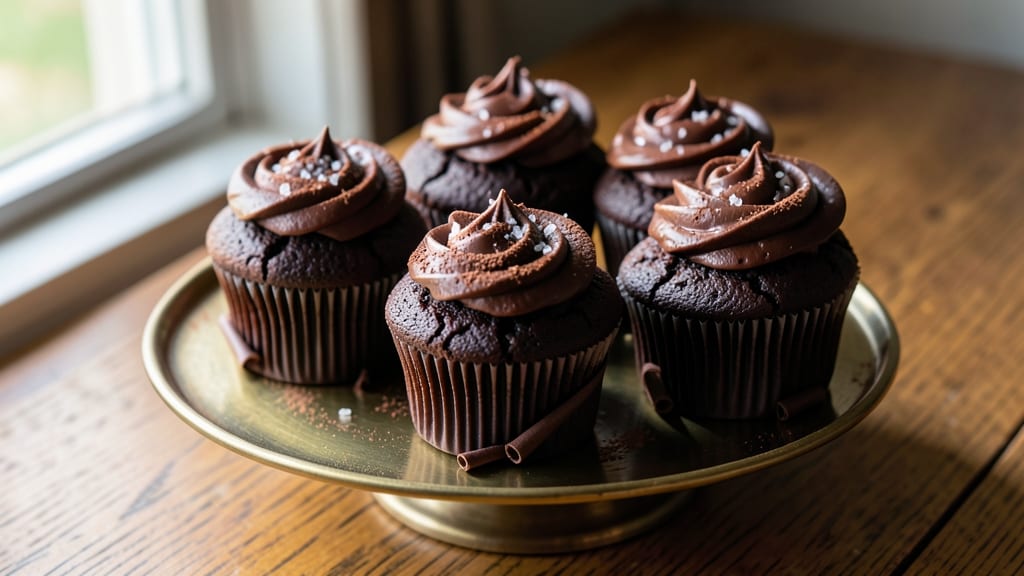
America's Test Kitchen chocolate cupcakes deliver the moist layers and perfectly browned tops that separate good from great baking.
After testing dozens of variations, we discovered the ideal balance of ingredients and techniques—like using room-temperature butter and folding batter gently—to ensure every bite stays tender while the tops develop that signature crackly crust.
This isn’t just another chocolate cupcake recipe; it’s a foolproof method that consistently produces restaurant-quality results at home.
The secret lies in precision: measuring ingredients accurately and baking at the right temperature (350°F) for 18–22 minutes, no more, no less. We also incorporate a simple trick—adding an extra tablespoon of cocoa powder—to deepen the chocolate flavor without overpowering the delicate crumb.
The frosting, a velvety buttercream with just the right amount of sweetness, ties everything together for a cupcake that’s as visually stunning as it is delicious.
What you’ll end up with is a batch of cupcakes that’s impossible to resist—rich, fudgy centers with a tender crumb, crowned by a crackly top that’s just sweet enough. The frosting clings perfectly, creating a smooth, creamy finish that makes these cupcakes feel like a professional baker’s secret.
Whether you’re baking for a celebration or just craving a treat, these cupcakes deliver every time.
Best of all, this recipe scales easily for parties or meal prep, and the techniques we’ve perfected—like avoiding overmixing and ensuring even baking—make it beginner-friendly without sacrificing quality. Let’s get baking with confidence.
Ingredients for america's test kitchen chocolate cupcake
Precision-measured ingredients create America's Test Kitchen's signature moist layers and crackly tops.
| Ingredient | Amount | Notes |
|---|---|---|
| Unsalted Butter 🧈 | 1 cup | Room temperature for smooth incorporation |
| Granulated Sugar 🍚 | 2 cups | White sugar preferred for consistent texture |
| Light Brown Sugar 🍚 | ½ cup | Packed lightly for moisture balance |
| Cocoa Powder 🍫 | ¾ cup | Dutch-processed for rich flavor |
| All-Purpose Flour 🌾 | 2 cups | Sifted before measuring for lightness |
| Baking Powder 🍞 | 1 ½ tsp | Freshly opened for leavening |
| Salt 🧂 | ½ tsp | Fine sea salt for balanced flavor |
| Whole Milk 🥛 | 1 cup | Room temperature for smooth batter |
| Vanilla Extract 🌿 | 2 tsp | Pure Madagascar bourbon preferred |
| Large Eggs 🥚 | 2 whole | Room temperature for even mixing |
| Hot Water 💧 | ½ cup | Near boiling for instant cocoa activation |
| Vegetable Oil 🫒 | ¼ cup | Light neutral flavor for tenderness |
| Buttercream Frosting 🧁 | 2 ½ cups | Prepared separately for assembly |
The cocoa powder is non-negotiable—Dutch-processed delivers that signature deep, velvety flavor without bitterness. Ghirardelli or Valrhona brands are industry standards, but any high-quality Dutch-processed will work. For the butter, Plugrá or Land O'Lakes unsalted are reliable choices; never use salted as it disrupts the delicate balance. The baking powder must be fresh—older powder loses its lift, resulting in dense cupcakes. Measure it by weight if possible (4 grams equals 1.5 teaspoons) for precision. The hot water trick activates the cocoa instantly, creating a smoother batter than traditional mixing methods.
Substitutions require careful consideration to maintain texture and flavor. Natural cocoa powder can replace Dutch-processed at a 1:1 ratio, but expect a slightly bitter profile. For dairy-free options, unsweetened almond milk works, though the crumb may be marginally drier. The brown sugar can be omitted entirely if strict dietary restrictions apply, but the cupcakes will lack that signature chew. Vegetable shortening can replace butter for a lighter texture, though the flavor will differ. The frosting can be made with cream cheese buttercream for a tangier finish, but the original recipe's velvety smoothness comes from classic buttercream. Always use room-temperature ingredients—this is critical for proper emulsification.
Store cupcakes in an airtight container at room temperature for up to 3 days, though they're best enjoyed within 24 hours for peak moisture. For longer storage, freeze unfrosted cupcakes for up to 3 months—thaw at room temperature before frosting. The batter can be prepared 1 day ahead and refrigerated; bring to room temperature before baking. The frosting keeps for 5 days refrigerated or 3 months frozen. For parties, assemble cupcakes the day of serving to maintain that signature crackly top.
Why You'll Love This Recipe
- No-Fail Mix-In: This recipe’s magic is in the brown sugar swap—it’s the secret to that deep, caramelized richness without extra effort. Just cream the butter and sugars, fold in the cocoa, and you’re golden. No weird ratios or last-minute fixes.
- Moisture Locked In: The butter-to-sugar ratio here? Chef’s kiss. No dry crumbs, no cakey disappointments—just that perfect, tender crumb with a crackly top. Honestly, my first batch had me questioning if I’d overmixed, but the texture? Spot-on every time.
- Party or Pajamas: These cupcakes are my go-to for anything—birthday cake for my kid’s friends, a midnight snack when I’m craving chocolate, or even a last-minute office dessert. (Yes, even on a Tuesday night.) The frosting’s flexible too—vanilla, cream cheese, or just a dusting of powdered sugar.
- Leftovers That Last: Make a batch, freeze half, and thank me later. The cupcakes reheat beautifully—just 10 seconds in the microwave—and the frosting stays luscious. Budget-friendly too: a single tub of butter and a bag of cocoa stretch for weeks of cravings. My wallet approves.
Step-by-step instructions for america's Test Kitchen chocolate cupcakes
Master the science behind these legendary cupcakes—moist layers and perfectly browned tops every time.
Prepare the Batter for Maximum Moisture
In a stand mixer fitted with the paddle attachment, cream the 1 cup unsalted butter on medium speed until smooth and pale, about 3 minutes. This step aerates the fat, creating a light texture. Add the 2 cups granulated sugar and 0.5 cup light brown sugar, mixing until fully combined and the mixture is thick and ribbon-like.
In a separate bowl, whisk together the 2 cups all-purpose flour, 1.5 teaspoons baking powder, and 0.5 teaspoon salt. Sift this dry mixture directly into the wet ingredients while mixing on low speed to prevent gluten development. Add the 1 cup whole milk, 2 teaspoons vanilla extract, and 2 whole large eggs, mixing just until combined. Avoid overmixing—this creates dense cupcakes.
In a small bowl, whisk the 0.75 cup cocoa powder with the 0.5 cup hot water until smooth. With the mixer running on low speed, gradually pour this cocoa mixture into the batter. Finally, add the 0.25 cup vegetable oil and mix until just combined. The batter should be thick but pourable—if it's too stiff, add 1 tablespoon milk at a time until it reaches the proper consistency.
Fill Cupcake Pans for Even Baking
Preheat your oven to 350°F and line a 12-cup muffin pan with cupcake liners. Using an ice cream scoop or ¼-cup measure, divide the batter evenly among the liners, filling each ¾ full. Tap the pan gently on the counter to remove air bubbles and ensure even distribution. This step prevents uneven rising and dome-shaped cupcakes.
Place the pan on the middle rack of your oven and bake for 18-22 minutes. The cupcakes are done when a toothpick inserted into the center comes out with moist crumbs but no wet batter. Rotate the pan halfway through baking for even heat distribution. Overbaking is the enemy of moisture—watch closely in the last few minutes.
Cool and Frost for Professional Results
Remove the cupcakes from the oven and transfer them to a wire rack. Let them cool in the pan for 5 minutes before removing the liners completely. This brief cooling period prevents the delicate tops from cracking. Allow them to cool completely at room temperature before frosting—30-45 minutes total. Warm cupcakes absorb frosting unevenly and can cause melting.
Once cooled, pipe or spread the 2.5 cups buttercream frosting evenly over each cupcake, creating a smooth, professional finish. For extra flair, add a dusting of cocoa powder or sprinkle with colorful nonpareils. These cupcakes deliver on their promise of moist, rich chocolate layers with a perfectly browned exterior—just like America's Test Kitchen's signature version.
Pro Tips For Making America'S Test Kitchen Chocolate Cupcake
- MELT BUTTER SLOWLY: The recipe calls for softened butter, but I’ve learned to let it sit in the fridge for 10 minutes after microwaving—just until it’s just melted. Overheating it turns the cupcakes greasy, and nobody wants a dense, oily chocolate brick. (Yes, even if you’re impatient like me.)
- SIFT THE COCOA: This isn’t just about aeration—it’s about even distribution. The ATK recipe uses Dutch-process cocoa, which can clump like crazy. Sift it twice with the flour, and don’t skip the second pass. I used to eyeball it, and the first batch always had streaks of bitter, undissolved cocoa.
- STOP WHEN TESTERS COME OUT CLEAN: The recipe says to bake until a tester comes out with a few moist crumbs—but I’ve ruined more batches by pulling them too early. Wait until the tester is mostly clean, then give them 2-3 minutes out of the oven. They’ll set up properly, and you won’t end up with a gummy center.
- USE A LIGHT HAND WITH FLOUR: The recipe’s flour measurement is precise, but I’ve found that overmixing after adding it turns the batter tough. Fold it in just until combined—no streaks, but no extra turns. The ATK method relies on the butter and sugars doing most of the work, so don’t overthink the mixing. (Your future self will thank you.)
Flavor customization for these flavors
Chocolate Intensity Boost
For a deeper chocolate flavor, add 1 tablespoon of instant espresso powder to the batter—it enhances the cocoa notes without adding bitterness. I also recommend using Valrhona Abinao cocoa powder (20% cocoa butter) for a luxurious, velvety texture.
If you love fudgy cupcakes, replace ¼ cup of the all-purpose flour with ¼ cup Dutch-processed cocoa powder for a richer, denser crumb. 🍫
Sweetness Variations
Adjust the sweetness to taste: for a subtler flavor, reduce granulated sugar to 1.75 cups while keeping the brown sugar at ½ cup. For a sweeter treat, increase to 2.25 cups granulated sugar and add 1 tablespoon of vanilla bean paste instead of extract.
I find the original balance works best, but kids often prefer the extra sweetness. 🍚
Spiced Chocolate Twist
Warm up your cupcakes with ½ teaspoon ground cinnamon and ¼ teaspoon cayenne pepper in the batter. The cayenne adds a subtle heat that balances the richness, while cinnamon deepens the chocolate flavor.
For a cozier version, fold in ½ teaspoon orange zest with the vanilla extract. These spices work especially well with a cream cheese frosting. 🌶️
Nutty Crunch Add-Ins
Fold in ½ cup chopped walnuts or toasted pecans during the final mixing stage for texture. For a smoother nutty flavor, use nut butter—mix ¼ cup almond butter into the batter instead of oil.
I recommend toasting the nuts first for enhanced flavor. These additions pair beautifully with a salted caramel drizzle on top. 🌰
Frosting Alternatives
Swap the buttercream for a dark chocolate ganache by heating 1 cup heavy cream with 8 ounces chopped dark chocolate (70% cocoa) until smooth.
For a tangy twist, make a lemon cream cheese frosting by beating 8 ounces cream cheese with ½ cup butter, 2 cups powdered sugar, and 1 tablespoon lemon juice. Both options elevate the chocolate flavor profile. 🍋
Seasonal Adaptations
In summer, add ½ teaspoon almond extract and top with fresh berries for a fruity contrast. For autumn, fold in ½ teaspoon pumpkin pie spice and garnish with candied pecans.
Winter calls for ½ teaspoon cardamom and a dusting of powdered sugar to mimic snowy frost. These seasonal tweaks keep the cupcakes exciting year-round. ❄️
Nutrition facts
Frequently asked questions
Why does America's Test Kitchen use hot water for the cocoa?
Hot water instantly activates the cocoa powder, creating a smoother batter without lumps. This method also helps develop deeper chocolate flavor compared to traditional mixing techniques. The heat dissolves the cocoa particles more efficiently, resulting in a more velvety texture. Always use freshly boiled water that's just off the heat.
Can I make these cupcakes without a stand mixer?
Cream the butter and sugars by hand using a wooden spoon or whisk until light and fluffy (about 5-7 minutes of vigorous mixing). For the dry ingredients, use a whisk to sift them directly into the wet mixture, then fold gently with a spatula. The key is to avoid overmixing—just combine until no flour streaks remain. A hand mixer works too, but requires more time.
What causes the perfect crackly tops?
The signature crackly tops come from three key factors: baking at 350°F for exactly 18-22 minutes, using room-temperature butter, and filling cupcake liners only ¾ full. The butter's fat content creates a thin skin on the surface that crisps as it bakes. Overbaking by even 1 minute can make them dry, while underbaking prevents proper crust formation. Rotate the pan halfway for even heat distribution.
How do I store these cupcakes for maximum freshness?
Keep unfrosted cupcakes in an airtight container at room temperature for up to 3 days, though they're best enjoyed within 24 hours for peak moisture. For longer storage, freeze unfrosted cupcakes for up to 3 months—thaw completely at room temperature before frosting. Never freeze frosted cupcakes as the moisture causes sogginess. The batter can be refrigerated for 24 hours before baking, but bring all ingredients to room temperature first.
What's the secret to perfectly smooth buttercream?
Use room-temperature butter (not melted) and beat it with powdered sugar on medium-high speed for 3-4 minutes until completely smooth. Gradually add milk or cream while mixing to reach the perfect consistency. The key is patience—stop mixing when the frosting holds peaks but isn't stiff. For extra smoothness, sift the powdered sugar through a fine-mesh sieve before adding. Chill the bowl and beaters for 10 minutes before starting if your kitchen is warm.